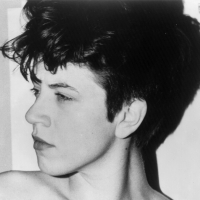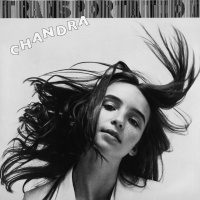
Chandra

R&B
Soul
Post Punk
Alternative Rock
 Viberate Rank: 378248
 Viberate Rank: 378248
 Monthly ListenersFollowers
 Subscribers
 Followers
 Followers
 FansTop Spotify Songs
| Track | 7-Day Streams | |
|---|---|---|
1 | 1.48K | |
2 | 229 | |
3 | 148 | |
4 | 121 | |
5 | 120 |
Top YouTube VideosMonthly ListenersFeatured in Playlists| Playlist | Followers | |
|---|---|---|
1 |  Numero Group 26 Numero Group | 32.95K |
2 |  Glass Beams International Soundsystem Glass Beams | 16.45K |
3 |  FIP Radio (en live) Matthou | 13.27K |
4 |  obscure gems sheyla saric | 6.40K |
5 |  1980s Punk & Indie Numero Group | 6.13K |
Audience| City | Monthly Listeners | |
|---|---|---|
1 |  | 152 |
2 | | 131 |
3 | | 131 |
4 |  | 98 |
5 | | 87 |
See full performance history, audience data, playlist activity, rankings, comparisons, and more in Viberate music analytics. Start with a free trial, then continue with a paid plan.
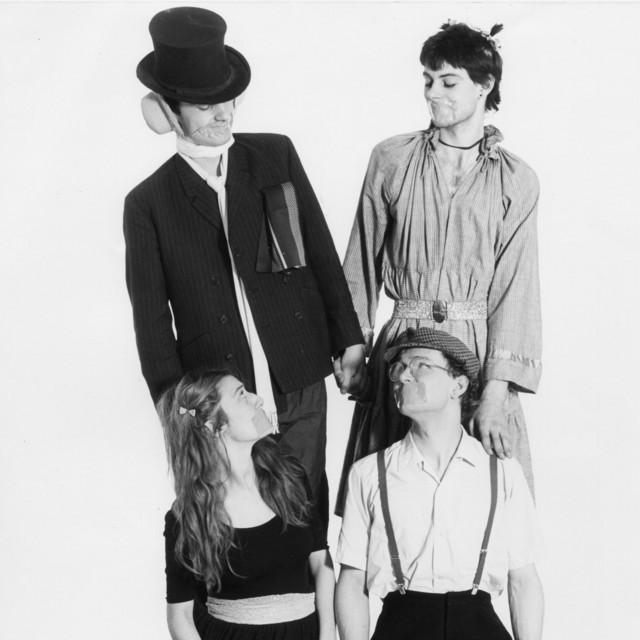
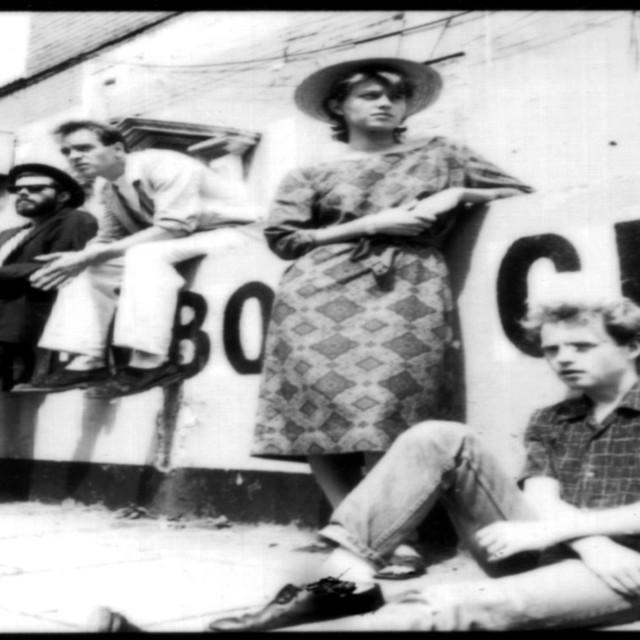
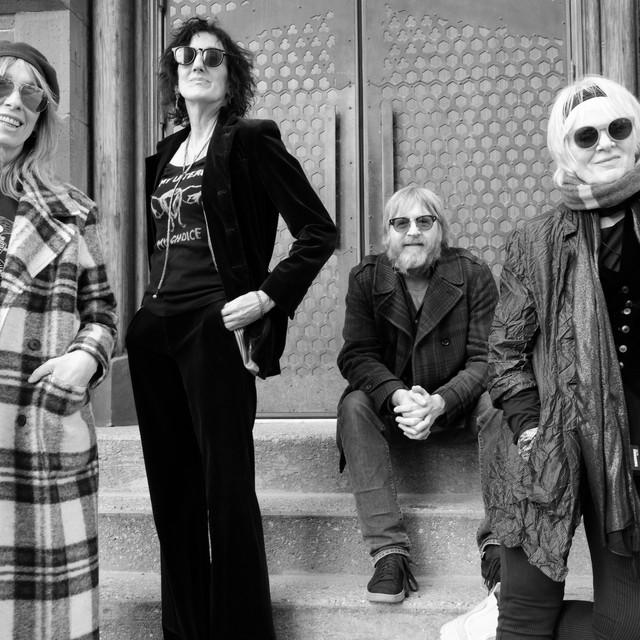
Chandra’s Spotify BioGrowing up the child of artists in downtown New York in the late '70s, Chandra Oppenheim got an early introduction to the era's course-setting music scene. At age ten, the burgeoning songwriter took up with some of her father's musician friends and wrote a set of alien punk-funk songs very much in line with no wave contemporaries ESG, Bush Tetras, and Lizzy Mercier Descloux, only written and sung by a pre-teen. This early phase of Oppenheim's musical life would be short-lived, but her self-titled band released a sole EP, 1980's Transportation. This obscure document of strange and exciting times developed a strong cult following, and as the years went on, several reissues of the EP and any other available Chandra material were released. In the mid-2010s, Oppenheim put together a band to perform the material from her childhood days live once again.
Born in 1968, Chandra Oppenheim grew up in New York City with parents actively involved in the arts. Early exposure to experimental sounds and… conceptual art came with Talking Heads and Patti Smith records playing around the house, and parties and events that included artists, musicians and other players in a vibrant creative scene. By age seven, Chandra was creating her own performance art pieces, and graduated to music when friends of her father (and members of no wave group the Dance), Eugenie Diserio and Steven Alexander, approached her about starting a new project. Taking the name Chandra, the new group grew around Oppenheim's otherworldly lyrics and vocals, with Diserio and Alexander providing guitar and bass and Fred Maher playing drums. The band played around noted '70s NYC punk hubs like Mudd Club and CBGB's, and in 1980 they the recorded four-song 12" Transportation. The next year, Chandra expanded into the Chandra Dimension, growing to include several more players closer in age to Oppenheim and going so far as to work on a new EP and tour a little, but soon the project was shelved, so Chandra could focus on schoolwork that had been neglected during busier music times. Oppenheim continued working on various music and performance projects as the years went on. In 2008, Transportation saw re-release along with the four unreleased songs recorded by the Chandra Dimension, packaged together in a limited run vinyl collection on Canadian label Cantor Records. Interest in the project grew as the reissue sold out of multiple pressings and Australian electro-collage artists the Avalanches prominently sampled Chandra's song "Subways" on their 2016 track of the same name. After the release of the song, Chandra performed live on occasion with the Avalanches and assembled her own band to perform the material from her nascent days. After a handful of live dates, Transportation got a second expanded re-release in 2018 on the Telephone Explosion label. This version included all eight songs from previous editions as well as two never-before-heard four-track demos of songs that never got a full studio treatment. ~ Fred Thomas, Rovi
Viberate is a music analytics platform built for A&Rs, artist managers, labels, booking agents, marketers, and artists.
It helps music professionals track artist growth, analyze audience data, monitor playlist activity, compare artists, follow song performance, and identify opportunities across the music market.
Public artist pages provide a free preview of selected artist data. Paid plans provide access to deeper analytics, historical data, charts, comparisons, playlist tools, exports, alerts, reports, and additional professional features.
Yes. Public Viberate artist pages provide selected artist analytics and music data for free.
Viberate also offers a 7-day free trial of the full platform. A credit card is required to start the trial. The trial includes access to the complete product so users can test deeper artist analytics, historical views, playlist insights, comparisons, charts, exports, alerts, and reporting features before choosing a paid plan.
Viberate provides artist analytics across streaming, playlists, social media, video, radio airplay, songs, and audience markets.
Users can analyze Spotify performance, Spotify and Apple Music playlists, YouTube activity, TikTok and Instagram growth, radio spins, song performance, audience locations, demographics, rankings, and overall artist momentum.
Artist profiles also connect to music charts, similar artists, and comparison tools, helping users benchmark performance and evaluate artists in context.
Viberate updates key artist and track data daily.
For followed artists and tracks, selected data is refreshed multiple times per day. This helps teams monitor playlist changes, streaming movement, audience growth, releases, and campaign performance with more current data.
Update frequency can vary depending on the metric and data source.
Yes. Viberate lets users compare up to five artists side by side across streaming, social media, audience, and engagement metrics.
Users can compare fanbase growth, audience demographics, locations, Spotify performance, social metrics, and other artist data over selected time periods.
Artist comparison can be used for A&R scouting, benchmarking, booking decisions, campaign planning, and evaluating artists with similar audiences or market positions.