Exium

Electronic
Techno
Dub Techno
 Viberate Rank: 170047
 Viberate Rank: 170047
 Monthly ListenersFollowers
 Subscribers
 Followers
 Followers
 FansTop Spotify Songs
| Track | 7-Day Streams | |
|---|---|---|
1 | 1.15K | |
2 | 437 | |
3 | 269 | |
4 | 156 | |
5 | 150 |
Top YouTube VideosMonthly ListenersFeatured in Playlists| Playlist | Followers | |
|---|---|---|
1 |  Headphone Selections by RÜFÜS DU SOL RÜFÜS | 60.27K |
2 |  HÖR BERLIN Rhadamanthus | 40.07K |
3 | Berghain Music Roman Wäger | 39.72K |
4 |  Dark Underground Techno Sanford | 29.44K |
5 |  Dub Techno Jimmy Ghaderi | 22.36K |
Audience| City | Monthly Listeners | |
|---|---|---|
1 |  | 209 |
2 | | 178 |
3 |  | 107 |
4 |  | 89 |
5 | | 82 |
See full performance history, audience data, playlist activity, rankings, comparisons, and more in Viberate music analytics. Start with a free trial, then continue with a paid plan.
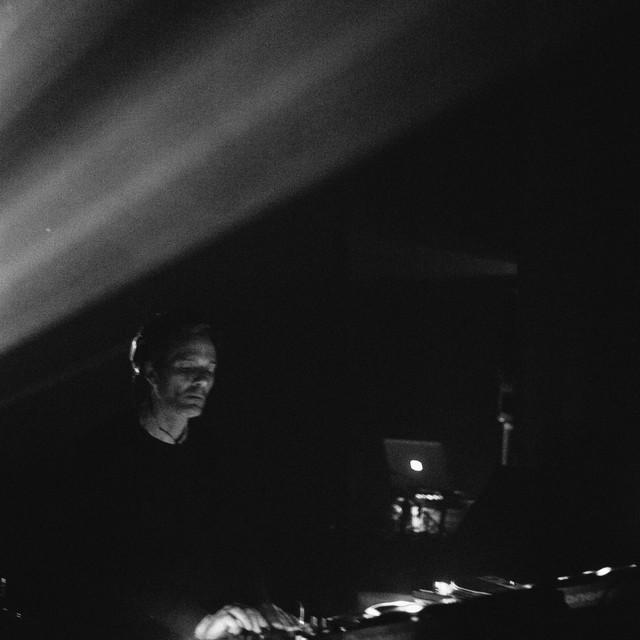
Exium’s Spotify BioValentín Corujo and Héctor Sandoval have spent over three decades building one of the most consistent projects in European techno. Formed in Asturias, northern Spain, in the mid-90s, their sound was forged in the tradition of classic Techno, raw, functional and uncompromising, and that DNA has never left them.
From early releases on Tsunami and Warm Up to a long catalogue spanning Polegroup, Planet Rhythm, Mord, Modularz and their own imprint nheoma, their productions have earned a place in the sets of Dave Clarke, Surgeon, Laurent Garnier, Luke Slater and Aphex Twin.
As DJs they have played Tresor, Berghain and Awakenings, touring across Germany, the UK, France, the Netherlands, Croatia, Italy, France, Argentina, Chile and Colombia. They were also instrumental in the formation of PoleGroup, now a cornerstone of the global techno scene.
In 2020 they celebrated two decades of music with XX, a double compilation of remastered and reworked highlights. Recent output on nheoma has continued… to push forward: Solid Mechanics (2021), Divine Retribution (2022), Rejection of Influence (2023) and Coded Fragments (2025).
Both members maintain solo careers alongside Exium: Héctor works under the aliases Komatssu and Tensal, while Valentín records as Kessell (and runs Granulart Recordings) and Gamman.
Viberate is a music analytics platform built for A&Rs, artist managers, labels, booking agents, marketers, and artists.
It helps music professionals track artist growth, analyze audience data, monitor playlist activity, compare artists, follow song performance, and identify opportunities across the music market.
Public artist pages provide a free preview of selected artist data. Paid plans provide access to deeper analytics, historical data, charts, comparisons, playlist tools, exports, alerts, reports, and additional professional features.
Yes. Public Viberate artist pages provide selected artist analytics and music data for free.
Viberate also offers a 7-day free trial of the full platform. A credit card is required to start the trial. The trial includes access to the complete product so users can test deeper artist analytics, historical views, playlist insights, comparisons, charts, exports, alerts, and reporting features before choosing a paid plan.
Viberate provides artist analytics across streaming, playlists, social media, video, radio airplay, songs, and audience markets.
Users can analyze Spotify performance, Spotify and Apple Music playlists, YouTube activity, TikTok and Instagram growth, radio spins, song performance, audience locations, demographics, rankings, and overall artist momentum.
Artist profiles also connect to music charts, similar artists, and comparison tools, helping users benchmark performance and evaluate artists in context.
Viberate updates key artist and track data daily.
For followed artists and tracks, selected data is refreshed multiple times per day. This helps teams monitor playlist changes, streaming movement, audience growth, releases, and campaign performance with more current data.
Update frequency can vary depending on the metric and data source.
Yes. Viberate lets users compare up to five artists side by side across streaming, social media, audience, and engagement metrics.
Users can compare fanbase growth, audience demographics, locations, Spotify performance, social metrics, and other artist data over selected time periods.
Artist comparison can be used for A&R scouting, benchmarking, booking decisions, campaign planning, and evaluating artists with similar audiences or market positions.