Bas Mooy

Electronic
Techno
 Viberate Rank: 141186
 Viberate Rank: 141186
 Monthly ListenersFollowers
 Subscribers
 Followers
 Followers
 FansTop Spotify Songs
| Track | 7-Day Streams | |
|---|---|---|
1 | 247 | |
2 | 70 | |
3 | 68 | |
4 | 66 | |
5 | 62 |
Top YouTube VideosMonthly ListenersFeatured in Playlists| Playlist | Followers | |
|---|---|---|
1 |  BERGHAIN / Berlin underground techno Erik Podškubka | 16.10K |
2 | Berlin Dark & Industrial Techno Raphel Jmh | 9.48K |
3 |  Daniel Avery - Magic + Memory [a playlist] Daniel Avery | 7.63K |
4 |  Boiler Room Robert Brown | 6.66K |
5 | Berlin Dark Techno Malcolm von Vorne | 5.64K |
Audience| City | Monthly Listeners | |
|---|---|---|
1 |  | 76 |
2 |  | 56 |
3 |  | 41 |
4 | | 30 |
5 |  | 29 |
See full performance history, audience data, playlist activity, rankings, comparisons, and more in Viberate music analytics. Start with a free trial, then continue with a paid plan.
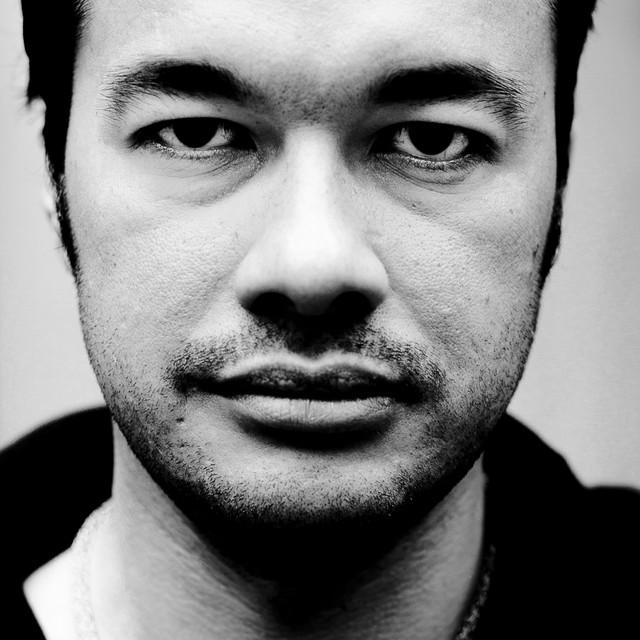
Bas Mooy’s Spotify BioTechno stalwart Bas Mooy has found himself at the cutting edge of the scene as a producer, promoter, DJ, and label owner since the early 2000s. Mooy's labels Mord and Audio Assault push the boundaries of modern techno, while his own productions saw him deliver unabashedly hard techno from the very start.
A native of Rotterdam, Mooy grew up attending school and university in the city before discovering techno in his late teens after attending a club night put on by local crew Strictly Techno. Catching the bug, Mooy found himself putting on parties, DJ'ing, and landing a job at dance distributor Triple Vision. In 2002, he founded his first label Audio Assault -- alongside Jeroen Liebregts (aka Radial) -- with the help of the distributor. Putting out releases by the likes of Vincent De Wit, Gunjack, and Lars Klein, Mooy also teamed up with Radial for his own debut release, 2004's Stamina EP. Although his own releases where few and far between -- 2006's Alliance V, 2007's Metal Coffee Death… EP, and 2009's Bazooka Circus EP -- Mooy pushed the label through his own in-demand DJ sets, becoming a mainstay of the scene.
With over 40 releases under its belt, Mooy and Liebregts put Audio Assault to bed in 2013, with the label being a breeding ground for some of the scene's biggest producers. During the final years of the label, Mooy's own productions started to increase and saw him deliver EPs for the likes of Perc Trax, Gynoid Audio, Mote-Evolver, and Planet Rhythm, the latter of which also released his 2009 debut album, Propaganda. Not one to rest on his laurels, Mooy established his own label, Mord, after the close of Audio Assault. Once again pushing the harder end of techno, the label quickly established itself as the go-to label. In its first two years it delivered EPs by the likes of Ansome, Charlton, Paul Birken, and Mooy himself with the release of 2014's Rage, Remedy & the Lash EP. Mooy continued to DJ around the world, putting on parties at some of Europe's biggest techno clubs, and running the label's extensive output. Over the next few years, Mooy and the label put out over 50 releases from some of underground techno's biggest names, as well as helping kickstart the careers of the likes of Lag, Endlec, and Damcase. ~ Rich Wilson, Rovi
Viberate is a music analytics platform built for A&Rs, artist managers, labels, booking agents, marketers, and artists.
It helps music professionals track artist growth, analyze audience data, monitor playlist activity, compare artists, follow song performance, and identify opportunities across the music market.
Public artist pages provide a free preview of selected artist data. Paid plans provide access to deeper analytics, historical data, charts, comparisons, playlist tools, exports, alerts, reports, and additional professional features.
Yes. Public Viberate artist pages provide selected artist analytics and music data for free.
Viberate also offers a 7-day free trial of the full platform. A credit card is required to start the trial. The trial includes access to the complete product so users can test deeper artist analytics, historical views, playlist insights, comparisons, charts, exports, alerts, and reporting features before choosing a paid plan.
Viberate provides artist analytics across streaming, playlists, social media, video, radio airplay, songs, and audience markets.
Users can analyze Spotify performance, Spotify and Apple Music playlists, YouTube activity, TikTok and Instagram growth, radio spins, song performance, audience locations, demographics, rankings, and overall artist momentum.
Artist profiles also connect to music charts, similar artists, and comparison tools, helping users benchmark performance and evaluate artists in context.
Viberate updates key artist and track data daily.
For followed artists and tracks, selected data is refreshed multiple times per day. This helps teams monitor playlist changes, streaming movement, audience growth, releases, and campaign performance with more current data.
Update frequency can vary depending on the metric and data source.
Yes. Viberate lets users compare up to five artists side by side across streaming, social media, audience, and engagement metrics.
Users can compare fanbase growth, audience demographics, locations, Spotify performance, social metrics, and other artist data over selected time periods.
Artist comparison can be used for A&R scouting, benchmarking, booking decisions, campaign planning, and evaluating artists with similar audiences or market positions.