Eternal Storm

Metal
Death Metal
 Viberate Rank: 302256
 Viberate Rank: 302256
 Monthly ListenersFollowers
 Subscribers
 Followers
 Followers
 FansTop Spotify Songs
| Track | 7-Day Streams | |
|---|---|---|
1 | 209 | |
2 | 156 | |
3 | 144 | |
4 | 78 | |
5 | 70 |
Top YouTube VideosMonthly ListenersFeatured in Playlists| Playlist | Followers | |
|---|---|---|
1 | Stanislav Gusakov | 6.03K |
2 |  Gothic / Dark / Doom Metal x505Metalheadx | 5.38K |
3 |  Melodic Death / Doom Metal Melodic Death / Doom Metal | 5.20K |
4 |  The Sound of Melodic Death Metal The Sounds of Spotify | 3.88K |
5 | MelodicDeathMetal jan_dyke | 2.13K |
Audience| City | Monthly Listeners | |
|---|---|---|
1 |  | 22 |
2 |  | 15 |
3 |  | 14 |
4 | | 14 |
5 |  | 14 |
See full performance history, audience data, playlist activity, rankings, comparisons, and more in Viberate music analytics. Start with a free trial, then continue with a paid plan.
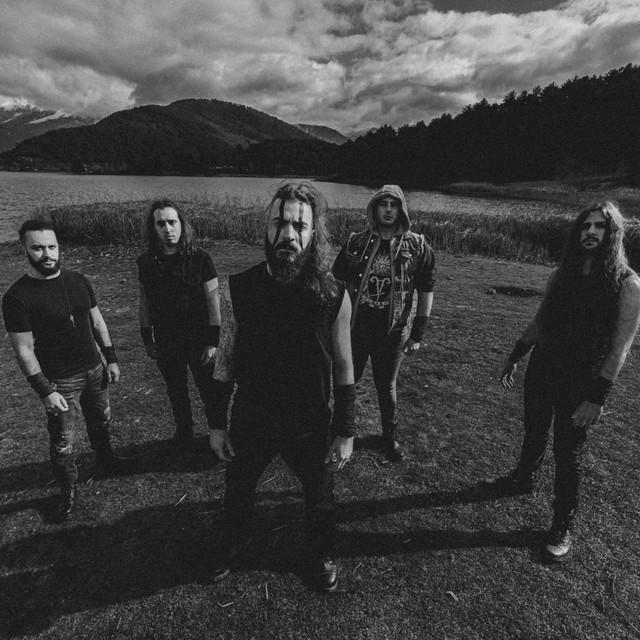
Eternal Storm’s Spotify BioSince their formation in 2009, ETERNAL STORM have successfully mixed the finest elements of death, black and doom metal, culminating in a personal sound with a strong sense of melody and a huge emphasis on creating memorable atmospheres, drawing them to numerous comparisons with legendary bands like Dissection, Opeth, Amorphis, Enslaved, Alcest or Dark Tranquillity.
After the warm reception of their self-released EP (From the Ashes, 2013) and a 4-way split on 10” vinyl (Elemental Nightmares, 2014) the band signed a deal with the prestigious Indian label Transcending Obscurity Records (Paganizer, Officium Triste, Gaerea) in order to release their debut full-length Come the Tide in August 2019, which was recorded and mixed by Carlos Santos (Wormed, Toundra, Jardín de la Croix) and mastered by Tony Lindgren at Fascination Street Studios (Leprous, Enslaved, Amorphis).
Come the Tide instantly received excellent feedback, being chosen as album of the month by the first level publications Angry… Metal Guy and Heavy Blog Is Heavy, as well as appearing in numerous year end lists from first class like Invisible Oranges, No Clean Singing, Metal Storm and the aforementioned sites, helping the band to increase their status and reach new audiences.
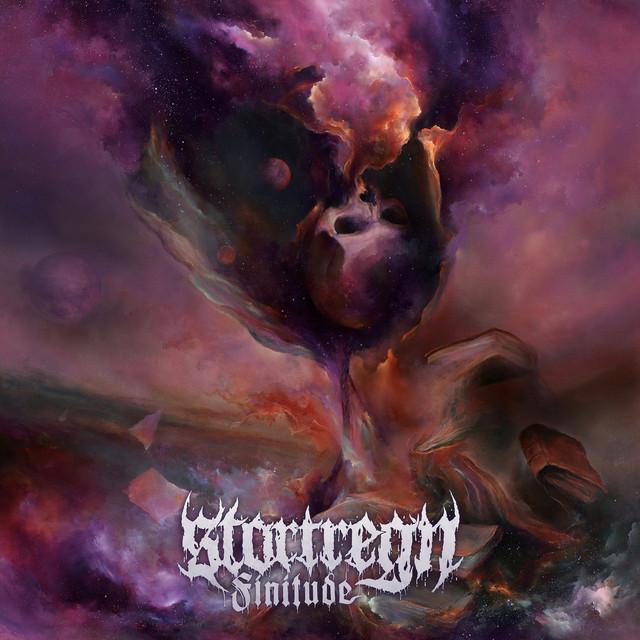
After their first European tour in October 2019, the band started refining the material for their second full-length, "A Giant Bound to Fall", which was recorded between November 2021 and January 2022 and released in February 2024.
Viberate is a music analytics platform built for A&Rs, artist managers, labels, booking agents, marketers, and artists.
It helps music professionals track artist growth, analyze audience data, monitor playlist activity, compare artists, follow song performance, and identify opportunities across the music market.
Public artist pages provide a free preview of selected artist data. Paid plans provide access to deeper analytics, historical data, charts, comparisons, playlist tools, exports, alerts, reports, and additional professional features.
Yes. Public Viberate artist pages provide selected artist analytics and music data for free.
Viberate also offers a 7-day free trial of the full platform. A credit card is required to start the trial. The trial includes access to the complete product so users can test deeper artist analytics, historical views, playlist insights, comparisons, charts, exports, alerts, and reporting features before choosing a paid plan.
Viberate provides artist analytics across streaming, playlists, social media, video, radio airplay, songs, and audience markets.
Users can analyze Spotify performance, Spotify and Apple Music playlists, YouTube activity, TikTok and Instagram growth, radio spins, song performance, audience locations, demographics, rankings, and overall artist momentum.
Artist profiles also connect to music charts, similar artists, and comparison tools, helping users benchmark performance and evaluate artists in context.
Viberate updates key artist and track data daily.
For followed artists and tracks, selected data is refreshed multiple times per day. This helps teams monitor playlist changes, streaming movement, audience growth, releases, and campaign performance with more current data.
Update frequency can vary depending on the metric and data source.
Yes. Viberate lets users compare up to five artists side by side across streaming, social media, audience, and engagement metrics.
Users can compare fanbase growth, audience demographics, locations, Spotify performance, social metrics, and other artist data over selected time periods.
Artist comparison can be used for A&R scouting, benchmarking, booking decisions, campaign planning, and evaluating artists with similar audiences or market positions.