Erase Errata

Rock
Alternative Rock
Noise Rock
 Viberate Rank: 342614
 Viberate Rank: 342614
 Monthly ListenersFollowers
 Subscribers
 Followers
 Followers
 FansTop Spotify Songs
| Track | 7-Day Streams | |
|---|---|---|
1 | 145 | |
2 | 113 | |
3 | 72 | |
4 | 41 | |
5 | 37 |
Top YouTube VideosMonthly ListenersFeatured in Playlists| Playlist | Followers | |
|---|---|---|
1 | Arya Stark HBO | 4.42K |
2 |  Skins: Series 3 E4 | 3.79K |
3 |  Henry Rollins KCRW radioshow Roadrunner Music | 3.56K |
4 | Running @ 180 - 190 bpm (90 - 95 bpm) OsWo XO | 2.47K |
5 | KCRW - Henry Rollins M0hgar | 2.30K |
Audience| City | Monthly Listeners | |
|---|---|---|
1 | | 39 |
2 | | 25 |
3 | | 23 |
4 |  | 20 |
5 | | 19 |
See full performance history, audience data, playlist activity, rankings, comparisons, and more in Viberate music analytics. Start with a free trial, then continue with a paid plan.
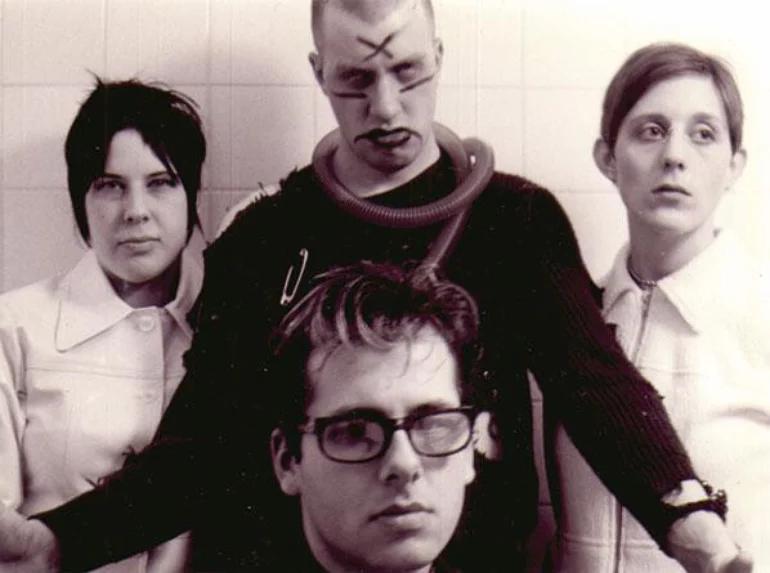
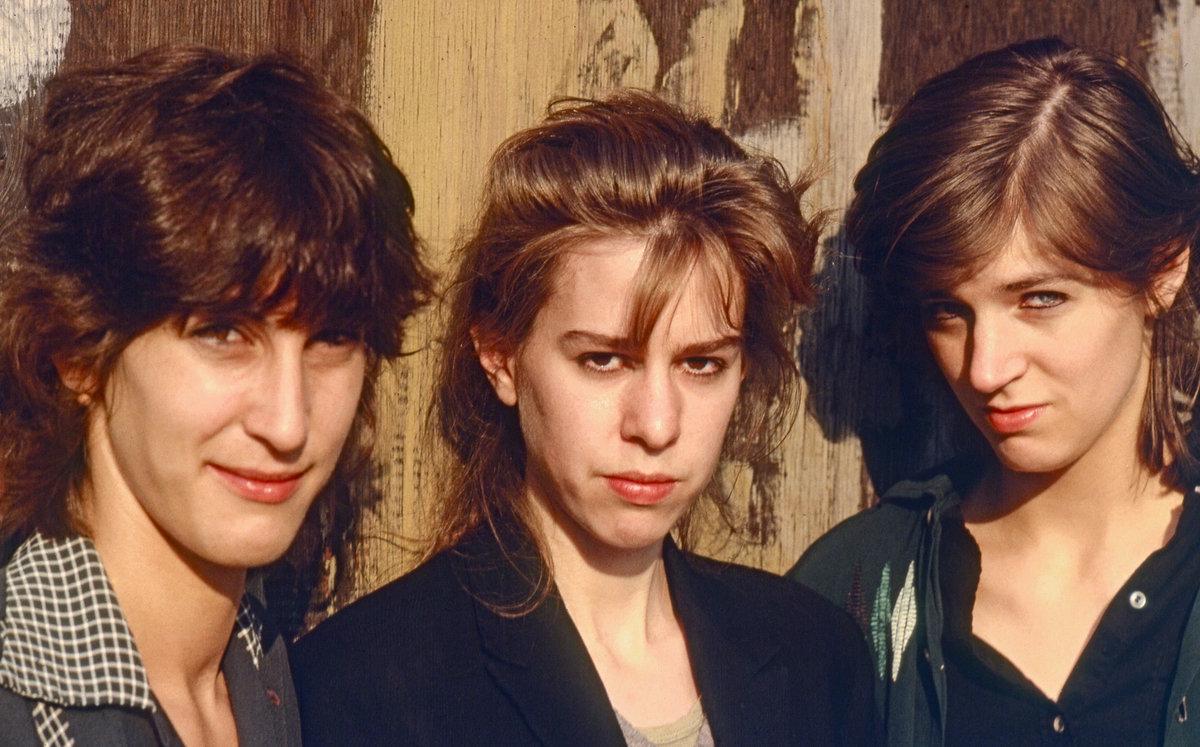
Erase Errata’s Spotify BioThe music of Erase Errata has been compared to such eclectic experimentalists as Captain Beefheart, the Minutemen, and the Dog Faced Hermans, due to the fact that the group possess an uncanny knack of improvising on the spot (claiming that they could improvise a whole set if pressed to). Originally comprised of members Jenny Hoyston (vocals and trumpet), Ellie Erickson (bass), Bianca Sparta (drums), and Sara Jaffe (guitar), Erase Errata formed in San Francisco in December of 1999, when the group jammed in the vacant room of one of Sparta and Hoyston's roommates. The quartet immediately proved that they had a solid chemistry, penning ten original tunes in the span of a half-hour. After spending six weeks during the fall of 2000 touring alongside the likes of Melt Banana and Le Tigre, Erase Errata issued a split single with Brooklyn, New York-based noise rockers Black Dice on the Troubleman label. A year later, Erase Errata's full-length debut Other Animals arrived (also via Troubleman).… In 2002, the band released a split single with electro-rockers Numbers, and in spring 2003, Dancing Machine, a remix album featuring Adult., Kid 606, and Matmos, arrived. Meanwhile, Hoyston worked on her other project Paradise Island, releasing the debut album, Lines Are Infinitely Fine, that summer on Dim Mak. Erase Errata's long-awaited second album, At Crystal Palace, came out in fall 2003. The following year, Jaffe left the band, and Hoyston, Erickson, and Sparta released their first album as a trio, Nightlife, in 2006 on Kill Rock Stars. The label also released the 2010 7" Damaged before the band went on hiatus. In 2012, the group reconvened as part of the artist-in-residence program of Iowa City's Mission Creek Music Festival. Working with producer/engineer Luke Tweedy, the trio improvised and polished the seven songs that became 2015's Lost Weekend. After a string of performances promoting the album, the band announced via a press release that their two Texas shows in October 2015 would be their last before breaking up. ~ Greg Prato, Rovi
Viberate is a music analytics platform built for A&Rs, artist managers, labels, booking agents, marketers, and artists.
It helps music professionals track artist growth, analyze audience data, monitor playlist activity, compare artists, follow song performance, and identify opportunities across the music market.
Public artist pages provide a free preview of selected artist data. Paid plans provide access to deeper analytics, historical data, charts, comparisons, playlist tools, exports, alerts, reports, and additional professional features.
Yes. Public Viberate artist pages provide selected artist analytics and music data for free.
Viberate also offers a 7-day free trial of the full platform. A credit card is required to start the trial. The trial includes access to the complete product so users can test deeper artist analytics, historical views, playlist insights, comparisons, charts, exports, alerts, and reporting features before choosing a paid plan.
Viberate provides artist analytics across streaming, playlists, social media, video, radio airplay, songs, and audience markets.
Users can analyze Spotify performance, Spotify and Apple Music playlists, YouTube activity, TikTok and Instagram growth, radio spins, song performance, audience locations, demographics, rankings, and overall artist momentum.
Artist profiles also connect to music charts, similar artists, and comparison tools, helping users benchmark performance and evaluate artists in context.
Viberate updates key artist and track data daily.
For followed artists and tracks, selected data is refreshed multiple times per day. This helps teams monitor playlist changes, streaming movement, audience growth, releases, and campaign performance with more current data.
Update frequency can vary depending on the metric and data source.
Yes. Viberate lets users compare up to five artists side by side across streaming, social media, audience, and engagement metrics.
Users can compare fanbase growth, audience demographics, locations, Spotify performance, social metrics, and other artist data over selected time periods.
Artist comparison can be used for A&R scouting, benchmarking, booking decisions, campaign planning, and evaluating artists with similar audiences or market positions.