Ut

Punk
Punk Rock
Noise Rock
 Viberate Rank: 465216
 Viberate Rank: 465216
 Monthly ListenersFollowers
 Subscribers
 Followers
 Followers
 FansTop Spotify Songs
| Track | 7-Day Streams | |
|---|---|---|
1 | 52 | |
2 | 14 | |
3 | 10 | |
4 | 9 | |
5 | 8 |
Top YouTube VideosMonthly ListenersFeatured in Playlists| Playlist | Followers | |
|---|---|---|
1 | STEVE ALBINI Sorgesalmen | 5.87K |
2 |  The Steve Albini Sound Matthew Perpetua | 2.00K |
3 |  Women In Revolt! x Tate Music For Nations | 1.71K |
4 | Stuart Maconie's Freak Zone 🔊 (BBC 6 Music) reacharound98 | 1.12K |
Audience| City | Monthly Listeners | |
|---|---|---|
1 |  | 14 |
2 | | 12 |
3 | | 12 |
4 |  | 11 |
5 | | 10 |
See full performance history, audience data, playlist activity, rankings, comparisons, and more in Viberate music analytics. Start with a free trial, then continue with a paid plan.
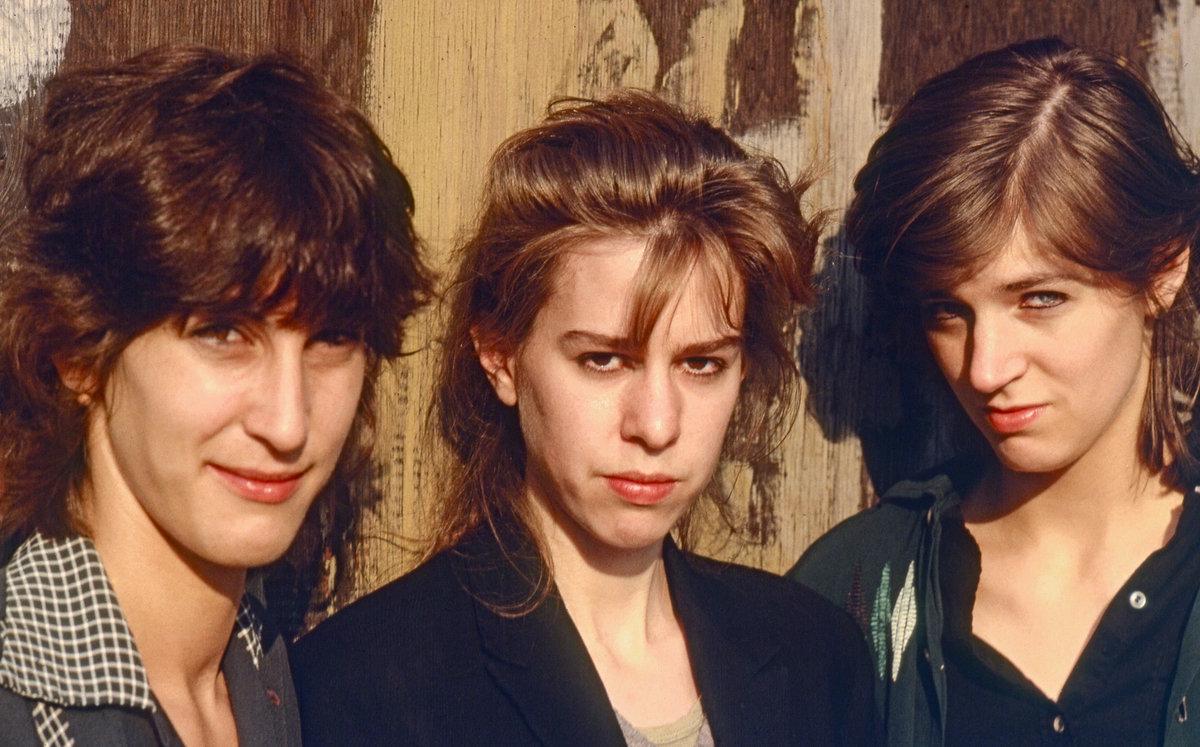
Ut’s Spotify BioA trio comprised of Nina Canal, Sally Young and Jacqui Ham, Ut was born near the end of the no-wave New York scene of the late '70s. In fact, Canal had worked with no waver Robin Crutchfield in his band Dark Days before jumping ship to create Ut. Ut's music, influenced by the abrasive anti-rock of the no wave scene, was dissonant in a clangy, guitar-driven way similar to bands such as Liliput, the Slits, and the Au Pairs. But where those three bands accented the groove, Ut's backbeat was less pronounced, and was considerably more jagged and yielding. Occasionally this meant that unfocused, uninteresting tunes went on far too long, but more often it meant that the rhythms lent shape to the semi-melodic wailing, but not in a manner that limited the potential to be realized in improvised, free playing. After being ignored by New York's post-no-wavers, Ut packed it in and headed for England, where they landed on the adventurous indie label Blast First. While the English press was kinder,… Ut's difficult rock noise was not for everyone. After a Steve Albini-produced 1989 release, Griller, Ut called it a day. For a band that remains almost completely unknown in their native country, Ut should be remembered for their decidedly skewed approach to rock & roll, one that can still be heard in the recordings of bands such as Sonic Youth, Bikini Kill, and Sleater-Kinney. ~ John Dougan, Rovi
Viberate is a music analytics platform built for A&Rs, artist managers, labels, booking agents, marketers, and artists.
It helps music professionals track artist growth, analyze audience data, monitor playlist activity, compare artists, follow song performance, and identify opportunities across the music market.
Public artist pages provide a free preview of selected artist data. Paid plans provide access to deeper analytics, historical data, charts, comparisons, playlist tools, exports, alerts, reports, and additional professional features.
Yes. Public Viberate artist pages provide selected artist analytics and music data for free.
Viberate also offers a 7-day free trial of the full platform. A credit card is required to start the trial. The trial includes access to the complete product so users can test deeper artist analytics, historical views, playlist insights, comparisons, charts, exports, alerts, and reporting features before choosing a paid plan.
Viberate provides artist analytics across streaming, playlists, social media, video, radio airplay, songs, and audience markets.
Users can analyze Spotify performance, Spotify and Apple Music playlists, YouTube activity, TikTok and Instagram growth, radio spins, song performance, audience locations, demographics, rankings, and overall artist momentum.
Artist profiles also connect to music charts, similar artists, and comparison tools, helping users benchmark performance and evaluate artists in context.
Viberate updates key artist and track data daily.
For followed artists and tracks, selected data is refreshed multiple times per day. This helps teams monitor playlist changes, streaming movement, audience growth, releases, and campaign performance with more current data.
Update frequency can vary depending on the metric and data source.
Yes. Viberate lets users compare up to five artists side by side across streaming, social media, audience, and engagement metrics.
Users can compare fanbase growth, audience demographics, locations, Spotify performance, social metrics, and other artist data over selected time periods.
Artist comparison can be used for A&R scouting, benchmarking, booking decisions, campaign planning, and evaluating artists with similar audiences or market positions.