Epitaph

Rock
Hard Rock
Progressive Rock
 Viberate Rank: 223039
 Viberate Rank: 223039
 Monthly ListenersFollowers
 Subscribers
 Followers
 Followers
 FansTop Spotify Songs
| Track | 7-Day Streams | |
|---|---|---|
1 | 241 | |
2 | 224 | |
3 | 189 | |
4 | 184 | |
5 | 139 |
Top YouTube VideosMonthly ListenersFeatured in Playlists| Playlist | Followers | |
|---|---|---|
1 |  70s Proto-Metal, Heavy Psych & Obscure Hard Rock Jordan Edrei | 11.27K |
2 | AOR / Melodic Rock Magnus Olsson | 6.17K |
3 |  Acid Nightmares: The Numero Group Guide to Proto-Metal Numero Group | 5.49K |
4 | Stoner Rock/Stoner Metal/Heavy Psych/Occult (old vs new) ragazzo-gr | 5.34K |
5 |  '60s-'70s german krautrock 🧿 dialectic ego death 🧿 | 4.23K |
Audience| City | Monthly Listeners | |
|---|---|---|
1 | | 58 |
2 | | 55 |
3 | | 38 |
4 | | 35 |
5 | | 35 |
See full performance history, audience data, playlist activity, rankings, comparisons, and more in Viberate music analytics. Start with a free trial, then continue with a paid plan.
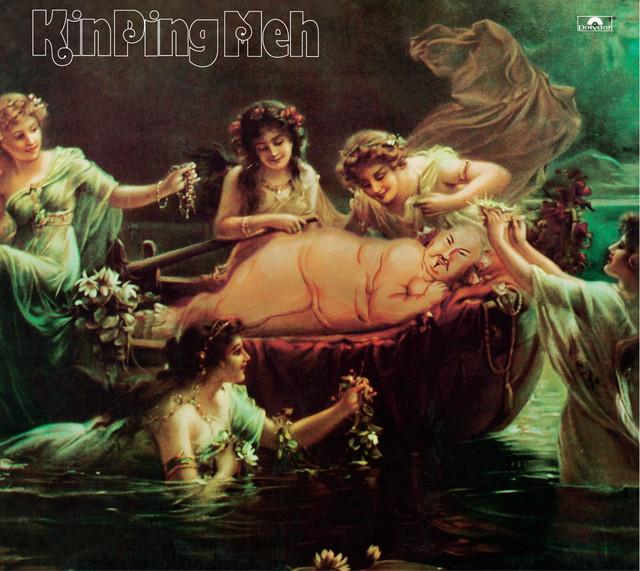
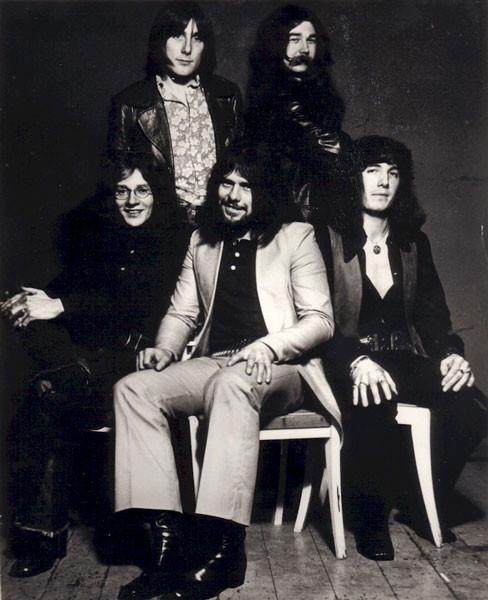
Epitaph’s Spotify BioAlong with Lucifer's Friend, Blackwater Park, and other bands even more obscure, Epitaph were members of a curious fraternity of '70s German bands that featured British singers. Founded in Dortmund in late 1969 by vocalist/guitarist Cliff Jackson and his compatriot James McGillivray, plus locally bred bassist Bernd Kolbe, Epitaph were originally named Fagau's Epitaph, but decided to shorten it after moving to Hanover, where they eventually signed with Polydor. Second guitarist Klaus Walz joined the fold halfway through the sessions for their eponymous debut (released in 1971), which, along with its successor, Stop, Look & Listen (1972), contained only five lengthy tracks, largely comprised of post-psych progressive rock, spiced with occasional jazz accents and widespread twin-guitar harmonies. Neither LP succeeded at introducing the band to a significant audience, though, and McGillivray had quit by year's end, being replaced by German drummer Achim Wielert, just as Epitaph were… beginning to experiment with a more compact and direct hard rock style. This was previewed by the two singles they released in 1973, but Polydor still decided it was time to cut their ties to the group, who surprisingly headed off to America almost immediately, drawn by the promises of a start-up indie label called Billingsgate.
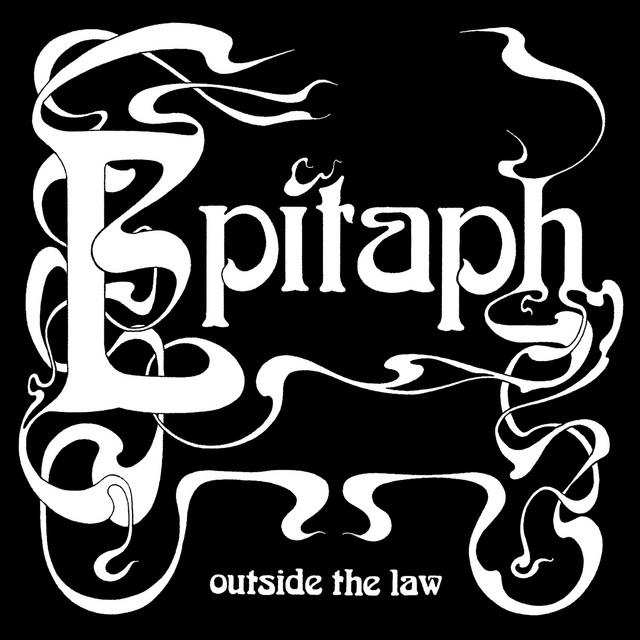
Epitaph wound up recording their third and most critically acclaimed LP, 1974's Outside the Law, in Chicago, afterwards embarking on a tour of the U.S. with ex-Karthago drummer Norbert Lehmann -- only to have it rudely interrupted when Billingsgate went bankrupt. Drained by their string of bad luck and feeling lucky simply to escape back to Germany without being held responsible for Billingsgate's debts, Epitaph called it quits in January of 1975. But Cliff Jackson couldn't resist reviving Epitaph just a few months later, gradually rebuilding their damaged reputation until a revamped band -- rounded out by guitarist Heinz Glass, keyboardist Michael Karch, bassist Harvey Janssen, and drummer Fritz Randow -- finally re-emerged with 1979's Return to Reality album. Now pursuing a semi-heavy metal angle, this edition of Epitaph recorded two more, poorly received LPs (1980's oddly named See You in Alaska and 1981's Live), and then Jackson reunited the Outside the Law lineup for 1982's Danger Man. Also given to heavier rock sounds, and also unsuccessful, the latter finally proved to be Epitaph's, well, epitaph, barring very rare concert reunions thereafter. ~ Eduardo Rivadavia, Rovi
Viberate is a music analytics platform built for A&Rs, artist managers, labels, booking agents, marketers, and artists.
It helps music professionals track artist growth, analyze audience data, monitor playlist activity, compare artists, follow song performance, and identify opportunities across the music market.
Public artist pages provide a free preview of selected artist data. Paid plans provide access to deeper analytics, historical data, charts, comparisons, playlist tools, exports, alerts, reports, and additional professional features.
Yes. Public Viberate artist pages provide selected artist analytics and music data for free.
Viberate also offers a 7-day free trial of the full platform. A credit card is required to start the trial. The trial includes access to the complete product so users can test deeper artist analytics, historical views, playlist insights, comparisons, charts, exports, alerts, and reporting features before choosing a paid plan.
Viberate provides artist analytics across streaming, playlists, social media, video, radio airplay, songs, and audience markets.
Users can analyze Spotify performance, Spotify and Apple Music playlists, YouTube activity, TikTok and Instagram growth, radio spins, song performance, audience locations, demographics, rankings, and overall artist momentum.
Artist profiles also connect to music charts, similar artists, and comparison tools, helping users benchmark performance and evaluate artists in context.
Viberate updates key artist and track data daily.
For followed artists and tracks, selected data is refreshed multiple times per day. This helps teams monitor playlist changes, streaming movement, audience growth, releases, and campaign performance with more current data.
Update frequency can vary depending on the metric and data source.
Yes. Viberate lets users compare up to five artists side by side across streaming, social media, audience, and engagement metrics.
Users can compare fanbase growth, audience demographics, locations, Spotify performance, social metrics, and other artist data over selected time periods.
Artist comparison can be used for A&R scouting, benchmarking, booking decisions, campaign planning, and evaluating artists with similar audiences or market positions.