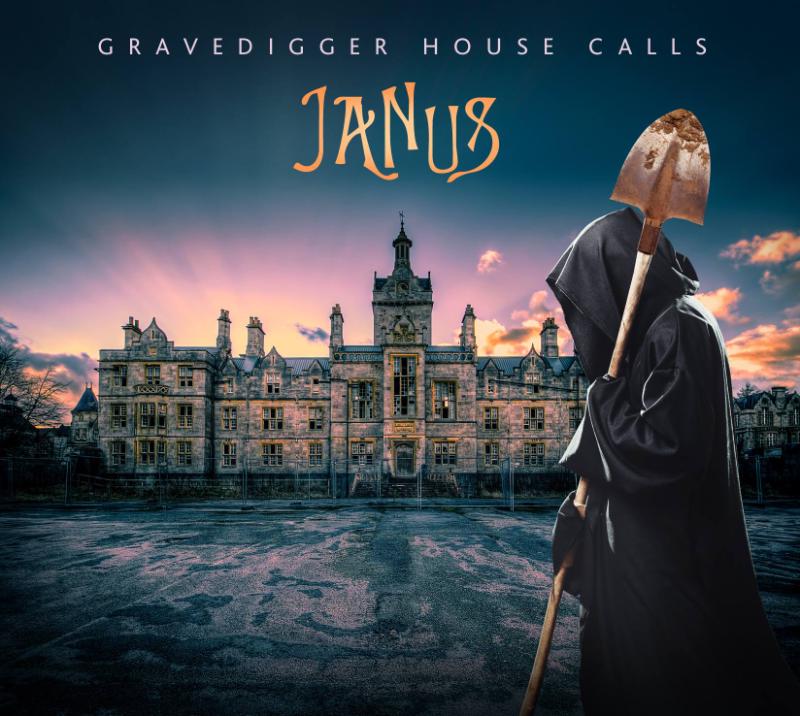
Janus

Rock
Progressive Rock
 Viberate Rank: 660778
 Viberate Rank: 660778
 Monthly ListenersFollowers
 Subscribers
 Followers
 Followers
 FansTop Spotify Songs
| Track | 7-Day Streams | |
|---|---|---|
1 | 47 | |
2 | 26 | |
3 | 25 | |
4 | 13 | |
5 | 10 |
Top YouTube VideosMonthly ListenersFeatured in Playlists| Playlist | Followers | |
|---|---|---|
1 |  70s Proto-Metal, Heavy Psych & Obscure Hard Rock Jordan Edrei | 11.27K |
2 | Stoner Rock/Stoner Metal/Heavy Psych/Occult (old vs new) ragazzo-gr | 5.34K |
3 |  70's Heavy Rock 1177927143 | 2.01K |
4 |  Heavy Blues Psych Prog 70's Leif Dackfelt | 1.84K |
5 |  70s Proto-Doom | Metal | Stoner Riffs (favorites) Jordan Edrei | 1.71K |
Audience| City | Monthly Listeners | |
|---|---|---|
1 | | 9 |
2 | | 8 |
3 | | 8 |
4 | | 7 |
5 |  | 7 |
See full performance history, audience data, playlist activity, rankings, comparisons, and more in Viberate music analytics. Start with a free trial, then continue with a paid plan.
Janus’ Spotify BioFormed: 1969-1970 in Krefeld, Germany (originally named Bonthrone)
Founding members: Colin Orr (guitar), Bruno Lord (vocals), Roy Yates (nylon string guitar), Derek Hyatt (vocals), Mick Peberdy (bass), Keith Bonthrone (drums)
Genre: Progressive rock, Krautrock (early period), later incorporating elements of new age, electronic, and even religious music
Record Label: EMI (1972), Various labels throughout their career
Active Periods: 1969-1974, 1989-present (with various hiatuses)
Key Albums:
Gravedigger (1972): Their debut album, known for its contrasting heavy and acoustic sections, and later achieving cult status among collectors.
Agnus Dei (1990): A reinvention with a 20-minute Latin plainsong-inspired rock epic.
Journey To The Underworld (Absent Friends) (1992): A dark and introspective concept album.
Freefall (1994): Their most experimental album, featuring collaborations and diverse musical styles.
Agnus Dei 2000 (1998): An expanded version of the Agnus Dei concept with operatic vocals and… saxophone.
Sea Of Sighs (2002): More accessible with prominent Celtic influences.
Under The Shadow Of The Moon (2013): Realization of a 1973 epic composition, marking a full-circle moment for the band.
Interesting Facts:
The band name "Janus" was chosen by the record company after the Roman god of beginnings and endings, reflecting the duality of their music.
Founding member Colin Orr remains the driving creative force behind the band.
Viberate is a music analytics platform built for A&Rs, artist managers, labels, booking agents, marketers, and artists.
It helps music professionals track artist growth, analyze audience data, monitor playlist activity, compare artists, follow song performance, and identify opportunities across the music market.
Public artist pages provide a free preview of selected artist data. Paid plans provide access to deeper analytics, historical data, charts, comparisons, playlist tools, exports, alerts, reports, and additional professional features.
Yes. Public Viberate artist pages provide selected artist analytics and music data for free.
Viberate also offers a 7-day free trial of the full platform. A credit card is required to start the trial. The trial includes access to the complete product so users can test deeper artist analytics, historical views, playlist insights, comparisons, charts, exports, alerts, and reporting features before choosing a paid plan.
Viberate provides artist analytics across streaming, playlists, social media, video, radio airplay, songs, and audience markets.
Users can analyze Spotify performance, Spotify and Apple Music playlists, YouTube activity, TikTok and Instagram growth, radio spins, song performance, audience locations, demographics, rankings, and overall artist momentum.
Artist profiles also connect to music charts, similar artists, and comparison tools, helping users benchmark performance and evaluate artists in context.
Viberate updates key artist and track data daily.
For followed artists and tracks, selected data is refreshed multiple times per day. This helps teams monitor playlist changes, streaming movement, audience growth, releases, and campaign performance with more current data.
Update frequency can vary depending on the metric and data source.
Yes. Viberate lets users compare up to five artists side by side across streaming, social media, audience, and engagement metrics.
Users can compare fanbase growth, audience demographics, locations, Spotify performance, social metrics, and other artist data over selected time periods.
Artist comparison can be used for A&R scouting, benchmarking, booking decisions, campaign planning, and evaluating artists with similar audiences or market positions.