Elton Britt

Country
Contemporary Country
Americana/Alt Country
 Viberate Rank: 104817
 Viberate Rank: 104817
 Monthly ListenersFollowers
 Subscribers
 Followers
 Followers
 FansTop Spotify Songs
| Track | 7-Day Streams | |
|---|---|---|
1 | 102.34K | |
2 | 38.69K | |
3 | 5.39K | |
4 | 5.14K | |
5 | 4.77K |
Top YouTube VideosMonthly ListenersFeatured in Playlists| Playlist | Followers | |
|---|---|---|
1 |  Fallout Radio Spotify | 297.39K |
2 |  Fallout 4 Radio Soundtrack César Muela | 266.76K |
3 |  Best of Fallout (Fallout 3, 4 & New Vegas) Harry Lewin | 198.78K |
4 |  Fallout Radio Jon | 170.84K |
5 |  Fallout Radio (All Games) morgan | 112.87K |
Audience| City | Monthly Listeners | |
|---|---|---|
1 | | 3.52K |
2 | | 2.99K |
3 | | 2.84K |
4 |  | 2.60K |
5 | | 2.47K |
See full performance history, audience data, playlist activity, rankings, comparisons, and more in Viberate music analytics. Start with a free trial, then continue with a paid plan.
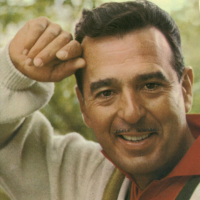
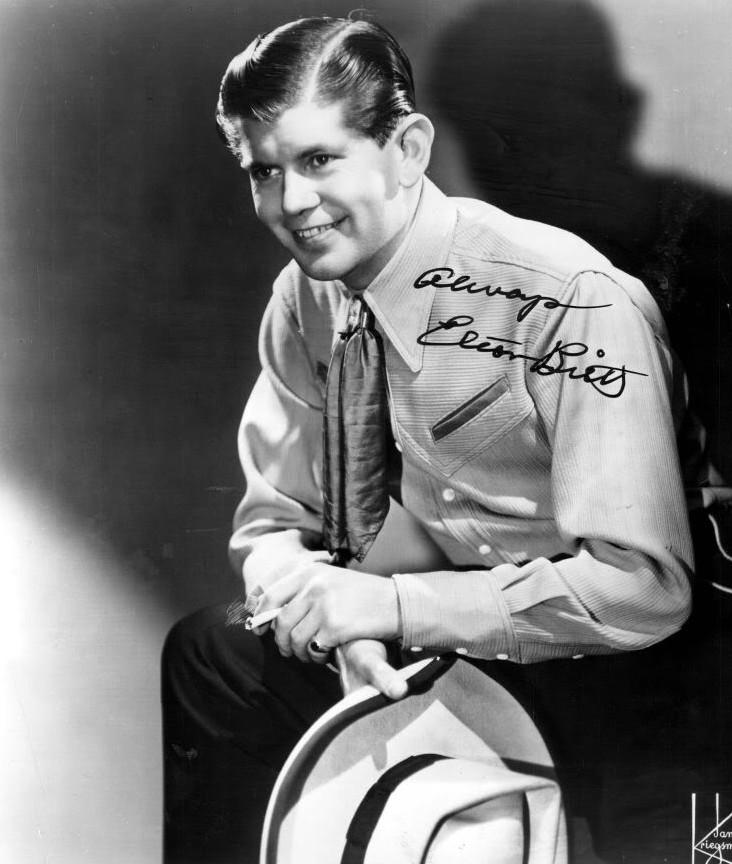
Elton Britt’s Spotify BioElton Britt parlayed his Jimmie Rodgers imitation -- with a yodeling ability and range that surpassed Rodgers' -- into country's biggest hit of the World War II era, "There's a Star Spangled Banner Waving Somewhere," which sold four million copies in the early '40s. He was born James Britt Baker in Zack, AR, on June 27, 1913, and began playing guitar and singing around his hometown while in his mid-teens. Baker's career was made in 1930 when the Beverly Hill Billies returned from California to their Arkansas home to recruit a new vocalist. He won the talent search, and after being renamed Elton Britt, spent three years performing and recording with the Hill Billies. Britt moved to New York in 1933, initially playing in a quartet named Pappy, Zeke, Ezra & Elton. He recorded later in the '30s, as a solo act and also with the Wenatchee Mountaineers, Zeke Manners' Gang, and the Rustic Rhythm Trio.
Britt began his period of fame in 1939, thanks to two circumstances: his signature on a… contract for the discount label RCA Bluebird and -- most importantly -- his friendship with songwriter/producer Bob Miller. Miller wrote all of Elton Britt's greatest early hits, including "Chime Bells," "Rocky Mountain Lullaby," "Buddy Boy," "Driftwood on the River," and in 1942, "There's a Star Spangled Banner Waving Somewhere." The latter was adopted as a symbol of the war effort by patriotic audiences -- much as "Over There" had served World War I sympathizers. President Franklin Roosevelt even invited Britt -- billed as "the World's Highest Yodeler" -- to the White House in 1942 to perform the hit.
By the time the charts came into existence in 1944, though, Britt had peaked. He did hit the Country Top Ten 11 times during the last half of the '40s, but never topped the charts. "Someday" reached number two in 1946, and six other songs peaked in the Top Five, including the double-sided "Wave to Me, My Lady"/"Blueberry Lane," "Detour," "Gotta Get Together With My Gal," "Candy Kisses," and "Quicksilver." A re-recording of his early hit "Chime Bells" hit number six. Britt continued recording with RCA, eventually releasing over 50 albums until 1957, when he moved to ABC/Paramount. He made a brief bid for the presidency in 1960, and recorded the number 26 "Jimmie Rodgers Blues" eight years later, but retired soon after. He died on June 22, 1972. ~ John Bush, Rovi
Viberate is a music analytics platform built for A&Rs, artist managers, labels, booking agents, marketers, and artists.
It helps music professionals track artist growth, analyze audience data, monitor playlist activity, compare artists, follow song performance, and identify opportunities across the music market.
Public artist pages provide a free preview of selected artist data. Paid plans provide access to deeper analytics, historical data, charts, comparisons, playlist tools, exports, alerts, reports, and additional professional features.
Yes. Public Viberate artist pages provide selected artist analytics and music data for free.
Viberate also offers a 7-day free trial of the full platform. A credit card is required to start the trial. The trial includes access to the complete product so users can test deeper artist analytics, historical views, playlist insights, comparisons, charts, exports, alerts, and reporting features before choosing a paid plan.
Viberate provides artist analytics across streaming, playlists, social media, video, radio airplay, songs, and audience markets.
Users can analyze Spotify performance, Spotify and Apple Music playlists, YouTube activity, TikTok and Instagram growth, radio spins, song performance, audience locations, demographics, rankings, and overall artist momentum.
Artist profiles also connect to music charts, similar artists, and comparison tools, helping users benchmark performance and evaluate artists in context.
Viberate updates key artist and track data daily.
For followed artists and tracks, selected data is refreshed multiple times per day. This helps teams monitor playlist changes, streaming movement, audience growth, releases, and campaign performance with more current data.
Update frequency can vary depending on the metric and data source.
Yes. Viberate lets users compare up to five artists side by side across streaming, social media, audience, and engagement metrics.
Users can compare fanbase growth, audience demographics, locations, Spotify performance, social metrics, and other artist data over selected time periods.
Artist comparison can be used for A&R scouting, benchmarking, booking decisions, campaign planning, and evaluating artists with similar audiences or market positions.