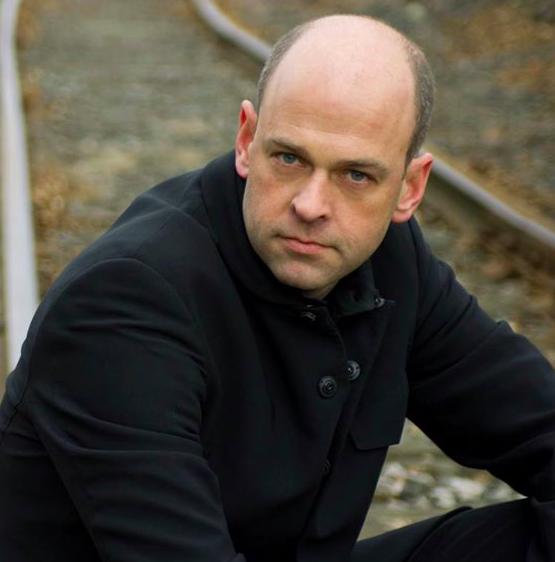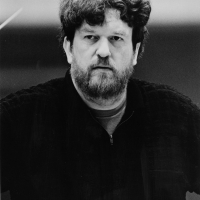
Oliver Knussen

Classical
Orchestral
Classical Crossover
Chamber Music
 Viberate Rank: 497279
 Viberate Rank: 497279
 Monthly ListenersFollowers
 Subscribers
 Followers
 Followers
 FansTop Spotify SongsTop YouTube VideosMonthly ListenersFeatured in Playlists
| Playlist | Followers | |
|---|---|---|
1 |  1000 Recordings to Hear Before You Die (Tom Moon): Album Index Ulysses' Classical | 94.30K |
2 |  Killing Eve BBC America | 79.73K |
3 |  NPR Classical NPR Music | 14.43K |
4 | every killing eve song in order nicole doyle | 9.52K |
5 |  💀 Danse Macabre 🎻 MR. J | 4.25K |
Audience| City | Monthly Listeners | |
|---|---|---|
1 | | 87 |
2 |  | 38 |
3 |  | 26 |
4 |  | 26 |
5 |  | 25 |
See full performance history, audience data, playlist activity, rankings, comparisons, and more in Viberate music analytics. Start with a free trial, then continue with a paid plan.
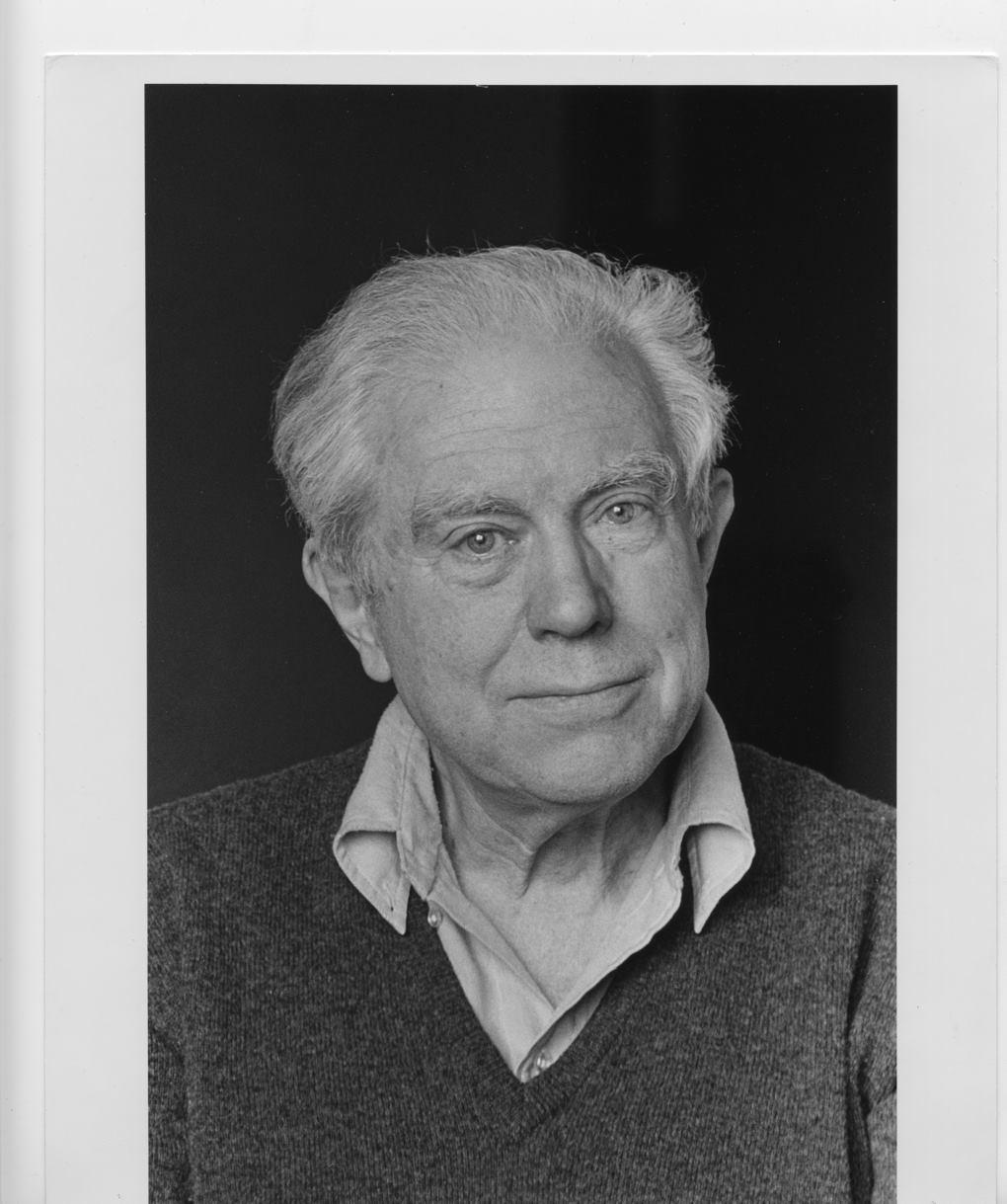
Oliver Knussen’s Spotify BioOliver Knussen's composing and conducting careers began with early successes, and he continued to be active in both fields. His early compositions were influenced by the Russian and American traditions of orchestral writing. A large proportion of these early pieces were also composed with twelve-tone and serial techniques. His later music employed detailed harmonic and rhythmic structures to create complex but clearly defined textures, with fine orchestral color. In all of his work, an accessible sound world is united with highly thought-out structural details.
Knussen was born into a musical family and as a child spent time at London Symphony Orchestra rehearsals, where his father was principal double bass. Oliver was thrown into prominence early in life, when at the age of 15 his First Symphony was performed in London. His precocity as a conductor was demonstrated at the same time when the illness of the scheduled conductor forced Knussen onto the podium. Two weeks later the work was… performed in New York under Daniel Barenboim.
Knussen's first composition teacher was John Lambert, a student of Nadia Boulanger, and then from 1970 to 1973 he studied with Gunther Schuller in Boston and at the Tanglewood Music Center. Schuller's influence is evident in the expressionist character of the Second Symphony (1970-1971), which sets verses by the poets Georg Trakl and Sylvia Plath. Other influences in this period appear in the Concerto for Orchestra (1970, which incorporates jazz and the Charleston.
After the spotlight on Knussen receded, rumors abounded that his success was not entirely based on merit, and performances dwindled. He himself felt that early exposure was a mixed blessing and that the smaller pieces he wrote at the time of the First Symphony were more interesting. This trend was evident in his chamber pieces of the 1970s, which were slightly more radical than the larger symphonies, notably Coursing (1979) for chamber orchestra.
In the early '80s, Knussen's compositional energies were concentrated on two large-scale projects that he termed fantasy operas, settings of children's books by Maurice Sendak, who became the librettist: Where the Wild Things Are (1979-1983) and Higglety Pigglety Pop (1984-1990). These works used varied compositional resources, including layers of contrasting rhythms (polyrhythms) and very subtle orchestral colors, to create a range of refined textures. Many styles are also present, from jazz to Mozart references.
Shortly afterwards, the composer became attracted to music on a more miniature time frame, for example in the orchestral Flourish with Fireworks (1988). This work is in a line of pieces that use subtle references to the works of older composers. The Whitman Settings, for soprano and orchestra, although originally composed for voice with piano in 1991, were written as the composer was attracted to four unusually short poems of Walt Whitman.
Knussen's conducting career encompassed a wide-ranging repertoire, and he specialized in the works of contemporary composers. He was the music director of the London Sinfonietta (an ensemble that also frequently performed his own music) and artistic director of the Aldeburgh Festival from 1992 to 1998. In that same period, he was principal guest conductor of the Residentie Orchestra, The Hague. In 1989 he was appointed associate guest conductor with the BBC Symphony Orchestra and from 1986-1990 was the coordinator of contemporary music activities at Tanglewood. He was named a commander of the British Empire in 1994, and the following year signed an exclusive contract with Deutsche Grammophon to record contemporary music; many of those albums won awards. Knussen's Requiem: Songs for Sue, written in memory of his late wife, was premiered in 2006.
Viberate is a music analytics platform built for A&Rs, artist managers, labels, booking agents, marketers, and artists.
It helps music professionals track artist growth, analyze audience data, monitor playlist activity, compare artists, follow song performance, and identify opportunities across the music market.
Public artist pages provide a free preview of selected artist data. Paid plans provide access to deeper analytics, historical data, charts, comparisons, playlist tools, exports, alerts, reports, and additional professional features.
Yes. Public Viberate artist pages provide selected artist analytics and music data for free.
Viberate also offers a 7-day free trial of the full platform. A credit card is required to start the trial. The trial includes access to the complete product so users can test deeper artist analytics, historical views, playlist insights, comparisons, charts, exports, alerts, and reporting features before choosing a paid plan.
Viberate provides artist analytics across streaming, playlists, social media, video, radio airplay, songs, and audience markets.
Users can analyze Spotify performance, Spotify and Apple Music playlists, YouTube activity, TikTok and Instagram growth, radio spins, song performance, audience locations, demographics, rankings, and overall artist momentum.
Artist profiles also connect to music charts, similar artists, and comparison tools, helping users benchmark performance and evaluate artists in context.
Viberate updates key artist and track data daily.
For followed artists and tracks, selected data is refreshed multiple times per day. This helps teams monitor playlist changes, streaming movement, audience growth, releases, and campaign performance with more current data.
Update frequency can vary depending on the metric and data source.
Yes. Viberate lets users compare up to five artists side by side across streaming, social media, audience, and engagement metrics.
Users can compare fanbase growth, audience demographics, locations, Spotify performance, social metrics, and other artist data over selected time periods.
Artist comparison can be used for A&R scouting, benchmarking, booking decisions, campaign planning, and evaluating artists with similar audiences or market positions.