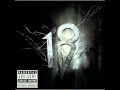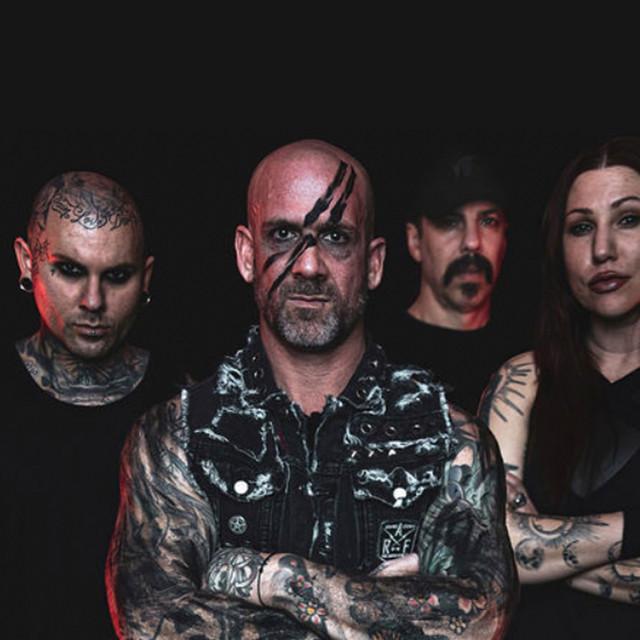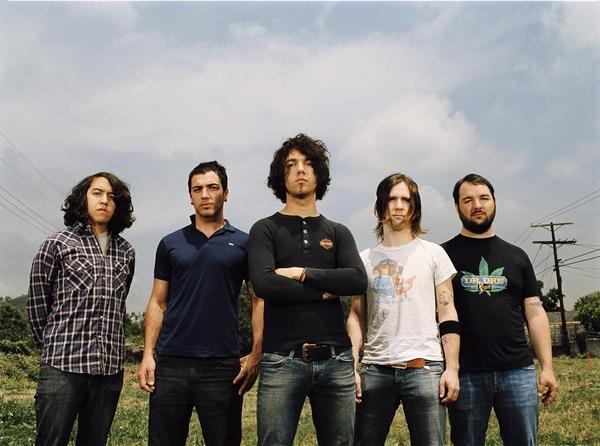
Eighteen Visions

Metal
Alternative Metal
Metalcore/Deathcore
 Viberate Rank: 114087
 Viberate Rank: 114087
 Monthly ListenersFollowers
 Subscribers
 Followers
 Followers
 FansTop Spotify Songs
| Track | 7-Day Streams | |
|---|---|---|
1 | 5.32K | |
2 | 3.82K | |
3 | 3.79K | |
4 | 1.21K | |
5 | 709 |
Top YouTube VideosMonthly ListenersFeatured in Playlists| Playlist | Followers | |
|---|---|---|
1 |  Metalcore Classics Spotify | 582.28K |
2 | igor | 97.08K |
3 |  Burnout 3: Takedown Soundtrack Mario Dominguez | 80.12K |
4 | Pop goes punk vol 1-10 alexdrumsalot | 55.71K |
5 | Screamo/Post-Hardcore/Metalcore/Emocore Billy Storm | 31.91K |
Audience| City | Monthly Listeners | |
|---|---|---|
1 | | 650 |
2 |  | 579 |
3 | | 554 |
4 |  | 534 |
5 | | 527 |
See full performance history, audience data, playlist activity, rankings, comparisons, and more in Viberate music analytics. Start with a free trial, then continue with a paid plan.
Eighteen Visions’ Spotify BioEighteen Visions' complex, often off-time, blasting metallic hardcore transforms bits of thrash, stomp, and acidic blackness into cohesive, pummeling compositions that occasionally break down and groove. All of their songs contain singalong-worthy bellowing from charismatic singer James Hart, who performs live with tongue-in-cheek pomposity worthy of huge stadiums. Their flashy image, presence, and flair set them apart from the rest of the metalcore pack, ensuring that the scene stayed vital through necessary and constant evolution.
The band formed in 1995 in Orange County, California, around Hart and drummer Ken Floyd. They released a single and a CD, one of them through a label in Europe, before Racetraitor vocalist Mani Mostofi brought the band to the attention of Trustkill. At this time, the band consisted of Hart, Floyd, bassist Javier Van Huss, and guitarists Brandan Schieppati and Keith Barney, who also performed vocal duties in the decidedly metal Bleeding Through and… straight-edge flag-bearers Throwdown, respectively.
This lineup recorded a 7" single for Trustkill, as well as the full-length Until the Ink Runs Out. Released in 2000, the album quickly established Eighteen Visions as one of the big players in the hardcore scene, a position solidified by a summer's worth of touring and high-profile festival appearances. At the onset of 2001, Van Huss left the band, with Salt Lake City native Mick Morris replacing him. The fashionable SoCal straight-edge outfit next re-recorded its old, out of print material and the Trustkill 7" as a brand-new track, and released it as the somewhat ironically titled Best of Eighteen Visions.
Eighteen Visions spent the latter half of 2001 writing material for their second Trustkill album, Vanity, which was released in May 2002, after which Schieppati departed to concentrate fully on Bleeding Through. They followed up two years later with Obsession. The band signed with Epic shortly before the album's June release, but it was still issued through Trustkill. It garnered glowing praise from publications like Revolver and Metal Hammer, the latter of which declared it Album of the Year. Touring heavily in support, including a Warped Tour run, Eighteen Visions shared nationwide dates with bands like Atreyu, HiM, and Avenged Sevenfold before hitting the U.K. with Lostprophets.
Aiming to take their music to the next level and wanting a "huge sound," their self-titled Epic debut appeared in July 2006; by this point, the band had drummer Trevor Friedrich on board and Floyd was playing guitar. For the time being, however, that album would prove to be the band's swan song. The members of Eighteen Visions simply decided the time was right to move on, and announced their breakup in spring 2007, playing two farewell shows that April in California. Ten years later, however, the band reconvened in 2017 around James Hart, Keith Barney, Trevor Friedrich, and Josh James, and released the aptly named XVIII, their first collection of new music in a decade, on Rise Records. ~ Ryan J. Downey, Rovi
Viberate is a music analytics platform built for A&Rs, artist managers, labels, booking agents, marketers, and artists.
It helps music professionals track artist growth, analyze audience data, monitor playlist activity, compare artists, follow song performance, and identify opportunities across the music market.
Public artist pages provide a free preview of selected artist data. Paid plans provide access to deeper analytics, historical data, charts, comparisons, playlist tools, exports, alerts, reports, and additional professional features.
Yes. Public Viberate artist pages provide selected artist analytics and music data for free.
Viberate also offers a 7-day free trial of the full platform. A credit card is required to start the trial. The trial includes access to the complete product so users can test deeper artist analytics, historical views, playlist insights, comparisons, charts, exports, alerts, and reporting features before choosing a paid plan.
Viberate provides artist analytics across streaming, playlists, social media, video, radio airplay, songs, and audience markets.
Users can analyze Spotify performance, Spotify and Apple Music playlists, YouTube activity, TikTok and Instagram growth, radio spins, song performance, audience locations, demographics, rankings, and overall artist momentum.
Artist profiles also connect to music charts, similar artists, and comparison tools, helping users benchmark performance and evaluate artists in context.
Viberate updates key artist and track data daily.
For followed artists and tracks, selected data is refreshed multiple times per day. This helps teams monitor playlist changes, streaming movement, audience growth, releases, and campaign performance with more current data.
Update frequency can vary depending on the metric and data source.
Yes. Viberate lets users compare up to five artists side by side across streaming, social media, audience, and engagement metrics.
Users can compare fanbase growth, audience demographics, locations, Spotify performance, social metrics, and other artist data over selected time periods.
Artist comparison can be used for A&R scouting, benchmarking, booking decisions, campaign planning, and evaluating artists with similar audiences or market positions.