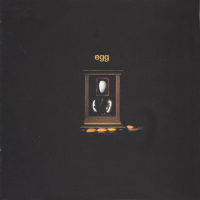
Egg

Rock
Progressive Rock
Psychedelic Rock
 Viberate Rank: 188249
 Viberate Rank: 188249
 Monthly ListenersFollowers
 Subscribers
 Followers
 Followers
 FansTop Spotify Songs
| Track | 7-Day Streams | |
|---|---|---|
1 | 7.77K | |
2 | 6.93K | |
3 | 1.11K | |
4 | 689 | |
5 | 654 |
Top YouTube VideosMonthly ListenersFeatured in Playlists| Playlist | Followers | |
|---|---|---|
1 |  The Sound of Everything The Sounds of Spotify | 53.81K |
2 |  Caribou - The Longest Mixtape: 1000+ Songs For You Caribou | 53.23K |
3 | Unofficial Reverb Radio Jeff Ferruzzo | 21.82K |
4 |  Now Again - Egon's Selections Egon | 14.10K |
5 |  Prog Rock Classics SWÖRD BOY | 13.43K |
Audience| City | Monthly Listeners | |
|---|---|---|
1 |  | 308 |
2 | | 284 |
3 |  | 220 |
4 |  | 217 |
5 | | 211 |
See full performance history, audience data, playlist activity, rankings, comparisons, and more in Viberate music analytics. Start with a free trial, then continue with a paid plan.
Egg’s Spotify BioAn overlooked classical rock trio that had both the talent and sound of Emerson, Lake, and Palmer without the bombast or success, Egg -- comprised of organist Dave Stewart (not the one in the Eurythmics), bassist/vocalist Mont Campbell, and Clive Brooks -- formed in July, 1968 from the ashes of Uriel/Arzachel after their guitarist, Steve Hillage left to study philosophy at the University of Kent. The band never made it on a major scale, as their music was too grandiose and challenging to garner a mainstream audience. It's a shame, because Campbell had a powerful set of vocal cords, and the group WAS capable of composing shorter, finely crafted melodies.
An early single "Seven Is a Jolly Good Time" b/w "We Are All Princes" received modest airplay on the BBC's venerable John Peel Show. The group then proceeded to record two albums, Egg and The Polite Force, both dominated by Stewart's organ, then broke up after Stewart joined the Canterbury all-star group Hatfield and the North. The Civil… Surface is a reunion album that came out in late '74. Stewart currently works with singer Barbara Gaskin on periodic new age projects. Campbell had a brief spell with the first version of National Health, and Brooks drummed for a fortnight with the Groundhogs, but their current activities are unknown. ~ Peter Kurtz, Rovi
Viberate is a music analytics platform built for A&Rs, artist managers, labels, booking agents, marketers, and artists.
It helps music professionals track artist growth, analyze audience data, monitor playlist activity, compare artists, follow song performance, and identify opportunities across the music market.
Public artist pages provide a free preview of selected artist data. Paid plans provide access to deeper analytics, historical data, charts, comparisons, playlist tools, exports, alerts, reports, and additional professional features.
Yes. Public Viberate artist pages provide selected artist analytics and music data for free.
Viberate also offers a 7-day free trial of the full platform. A credit card is required to start the trial. The trial includes access to the complete product so users can test deeper artist analytics, historical views, playlist insights, comparisons, charts, exports, alerts, and reporting features before choosing a paid plan.
Viberate provides artist analytics across streaming, playlists, social media, video, radio airplay, songs, and audience markets.
Users can analyze Spotify performance, Spotify and Apple Music playlists, YouTube activity, TikTok and Instagram growth, radio spins, song performance, audience locations, demographics, rankings, and overall artist momentum.
Artist profiles also connect to music charts, similar artists, and comparison tools, helping users benchmark performance and evaluate artists in context.
Viberate updates key artist and track data daily.
For followed artists and tracks, selected data is refreshed multiple times per day. This helps teams monitor playlist changes, streaming movement, audience growth, releases, and campaign performance with more current data.
Update frequency can vary depending on the metric and data source.
Yes. Viberate lets users compare up to five artists side by side across streaming, social media, audience, and engagement metrics.
Users can compare fanbase growth, audience demographics, locations, Spotify performance, social metrics, and other artist data over selected time periods.
Artist comparison can be used for A&R scouting, benchmarking, booking decisions, campaign planning, and evaluating artists with similar audiences or market positions.