Eddie Hinton

R&B
Soul
Folk Rock
 Viberate Rank: 445119
 Viberate Rank: 445119
 Monthly ListenersFollowers
 Subscribers
 Followers
 Followers
 FansTop Spotify Songs
| Track | 7-Day Streams | |
|---|---|---|
1 | 776 | |
2 | 281 | |
3 | 186 | |
4 | 185 | |
5 | 126 |
Top YouTube VideosMonthly ListenersFeatured in Playlists| Playlist | Followers | |
|---|---|---|
1 | Elizabethtown Soundtrack Shaylin Patterson | 16.08K |
2 |  Living In My Headphones James Lavelle (UNKLE) | 16.04K |
3 |  WAYNE soundtrack Charlie Linskey | 10.56K |
4 |  Elizabethtown | Soundtrack Wendell Soares | 8.42K |
5 |  Elizabethtown (Complete Soundtrack) Martin Evertman | 7.39K |
Audience| City | Monthly Listeners | |
|---|---|---|
1 | | 61 |
2 | | 56 |
3 |  | 48 |
4 | | 47 |
5 |  | 45 |
See full performance history, audience data, playlist activity, rankings, comparisons, and more in Viberate music analytics. Start with a free trial, then continue with a paid plan.
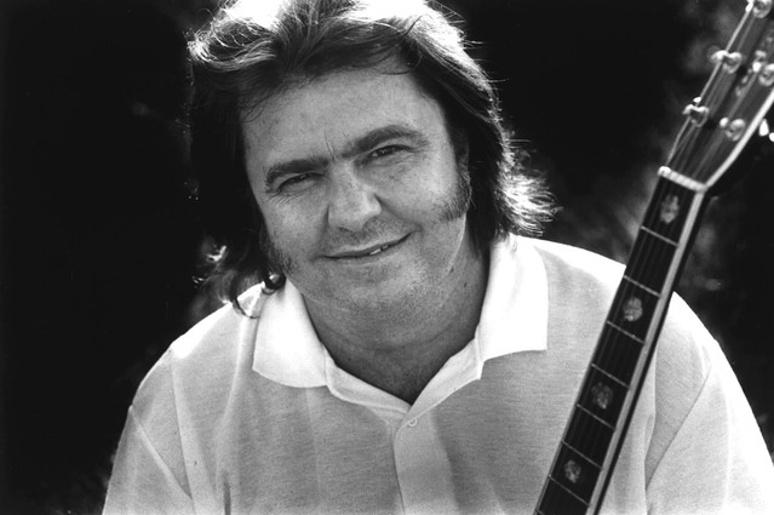
Eddie Hinton’s Spotify BioGuitarist, songwriter, and singer Eddie Hinton may be one of the great, unheralded white blues musicians of all time. Fortunately, fans can latch onto a few recordings on compact disc. Hinton died far too young, at the age of 51, on July 28, 1995, yet his guitar playing can be heard all over famous recordings by famous people: on hit records by Aretha Franklin, Wilson Pickett, Joe Tex, Solomon Burke, Percy Sledge, the Staple Singers, the Dells, Johnny Taylor, Elvis Presley, Boz Scaggs, Hour Glass, Otis Redding, and even reggae star Toots Hibbert of Toots & the Maytals.
Hinton was a session guitarist non-pareil. After working with Southern bands like the Spooks and the Five Minutes, he played lead guitar for Muscle Shoals Sound rhythm section from 1967 to 1971. What most people didn't know at the time was that Hinton was also a talented singer, songwriter, arranger, and producer in his own right. In the late '60s, Muscle Shoals was something of a hit factory for Atlantic Records'… recording artists, under the careful, patient tutelage of legendary producer Jerry Wexler. Hinton was just 22 when he was invited to the Shoals area by fellow songwriter and producer Martin Greene. The Hinton/Greene songwriting and producing team produced several country/soul hits, including "Cover Me," and "It's All Wrong But It's Alright" for Percy Sledge.
Sadly, Hinton's 1978 critically hailed Capricorn Records debut, Very Extremely Dangerous, was released shortly before the Macon, Georgia-based label folded. In 1982, Jimmy Johnson of the Muscle Shoals rhythm section took Hinton into the studio to record a half-dozen songs for a new album, but that project was never released, and the blow to his ego, coupled with a divorce, sent Hinton into a personal tailspin. Changing musical trends brought popular tastes further away from blues and soul for a time in the '80s (until the rise of Stevie Ray Vaughan brought blues back into vogue) and Hinton was living on the streets in Decatur, Alabama when he ran into an old friend, John D. Wyker. Wyker and Hinton were friends in the University of Alabama's drum and bugle corps. Wyker saw to it that Hinton had housing and a plan to record again. With the help of some friends, Owen Brown and Jeff Simpson, Wyker began recording Hinton at Birdland Recording Studio and the new songs were combined with the tunes recorded by Jimmy Johnson in 1982. The result was Letters from Mississippi, an album that sparked a career renaissance for Hinton. It wasn't long before he was in demand across Europe, Alabama, and the rest of the south for his unique, soulful blues vocals and expert guitar technique. Wyker continued to serve as a musical guru for Hinton's career rebirth and brought the singer and guitarist to Rounder Records Bullseye blues subsidiary. Cry & Moan and Very Blue Highway were the result. Hinton recovered his health and general well-being and moved back home to Birmingham to live with his mother, all the while writing refreshingly good original songs. He made a short tour of Italy before returning to Birdland Studios in early 1995 to record a new album. As he was putting finishing touches on the new batch of songs, he suffered a fatal heart attack. Hard Luck Guy was released on a revived Capricorn Records in late 1998, and the songs are some of the most soul-stirring, thoughtful, and well-recorded tracks ever put on tape by a white blues artist. Anyone who's a fan of Otis Redding or Al Green will latch onto these songs like a hummingbird to a magnolia blossom. Also worth seeking out are his two releases for Rounder, Cry & Moan and Very Blue Highway, as well as his European-only release Letters from Mississippi.
To be sure, Hinton packed a lot of inspiring music into his 51 years by way of all the legendary sessions on which he played lead guitar at Muscle Shoals. His vocals were also singularly unique, firmly planted in the South and drenched with second-nature blues and soul feeling.
Jerry Wexler's liner notes for Hinton's last release, Hard Luck Guy (the title a nod to his prime influence, Otis Redding), are worth the price of admission in and of themselves. Wexler says of Hinton, "He remains unique, a white boy who truly sang and played in the spirit of the great Black soul artists he venerated. With Eddie it wasn't imitation; it was totally created, with a fire and fury that was as real as Otis Redding's and Wilson Pickett's." ~ Richard Skelly
Viberate is a music analytics platform built for A&Rs, artist managers, labels, booking agents, marketers, and artists.
It helps music professionals track artist growth, analyze audience data, monitor playlist activity, compare artists, follow song performance, and identify opportunities across the music market.
Public artist pages provide a free preview of selected artist data. Paid plans provide access to deeper analytics, historical data, charts, comparisons, playlist tools, exports, alerts, reports, and additional professional features.
Yes. Public Viberate artist pages provide selected artist analytics and music data for free.
Viberate also offers a 7-day free trial of the full platform. A credit card is required to start the trial. The trial includes access to the complete product so users can test deeper artist analytics, historical views, playlist insights, comparisons, charts, exports, alerts, and reporting features before choosing a paid plan.
Viberate provides artist analytics across streaming, playlists, social media, video, radio airplay, songs, and audience markets.
Users can analyze Spotify performance, Spotify and Apple Music playlists, YouTube activity, TikTok and Instagram growth, radio spins, song performance, audience locations, demographics, rankings, and overall artist momentum.
Artist profiles also connect to music charts, similar artists, and comparison tools, helping users benchmark performance and evaluate artists in context.
Viberate updates key artist and track data daily.
For followed artists and tracks, selected data is refreshed multiple times per day. This helps teams monitor playlist changes, streaming movement, audience growth, releases, and campaign performance with more current data.
Update frequency can vary depending on the metric and data source.
Yes. Viberate lets users compare up to five artists side by side across streaming, social media, audience, and engagement metrics.
Users can compare fanbase growth, audience demographics, locations, Spotify performance, social metrics, and other artist data over selected time periods.
Artist comparison can be used for A&R scouting, benchmarking, booking decisions, campaign planning, and evaluating artists with similar audiences or market positions.