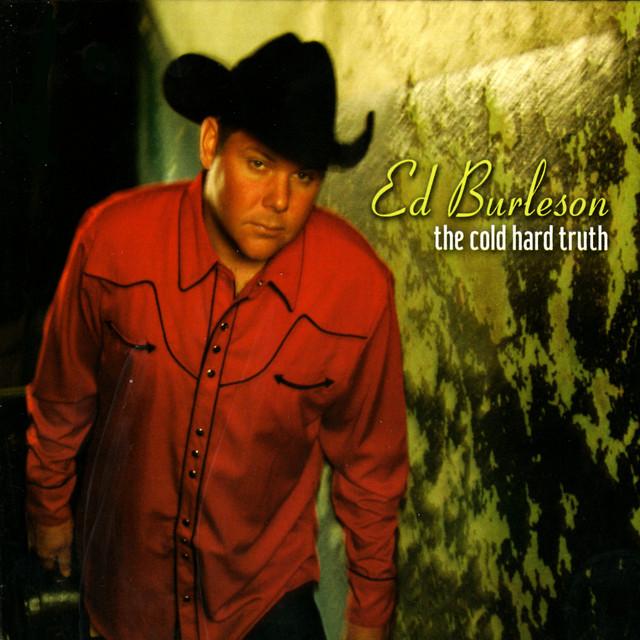
Ed Burleson

Country
Contemporary Country
Americana/Alt Country
 Viberate Rank: 336489
 Viberate Rank: 336489
 Monthly ListenersFollowers
 Subscribers
 Followers
 Followers
 FansTop Spotify Songs
| Track | 7-Day Streams | |
|---|---|---|
1 | 286 | |
2 | 286 | |
3 | 202 | |
4 | 198 | |
5 | 77 |
Top YouTube VideosMonthly ListenersFeatured in Playlists| Playlist | Followers | |
|---|---|---|
1 | Wesley Greenlee Playlist Reebo | 6.86K |
2 | Texas Country / Red Dirt Radio captain.kyle | 5.03K |
3 | Songs About Texas tnoaustin | 2.87K |
4 | Alternative country/folk/indie Wesley Bracey | 1.54K |
5 |  95.9 THE RANCH Jake Matier | 1.44K |
Audience| City | Monthly Listeners | |
|---|---|---|
1 | | 337 |
2 | | 164 |
3 | | 139 |
4 | | 135 |
5 | | 94 |
See full performance history, audience data, playlist activity, rankings, comparisons, and more in Viberate music analytics. Start with a free trial, then continue with a paid plan.
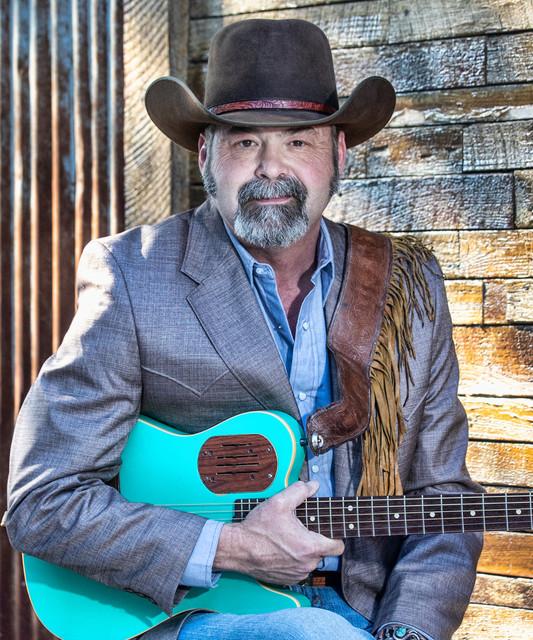
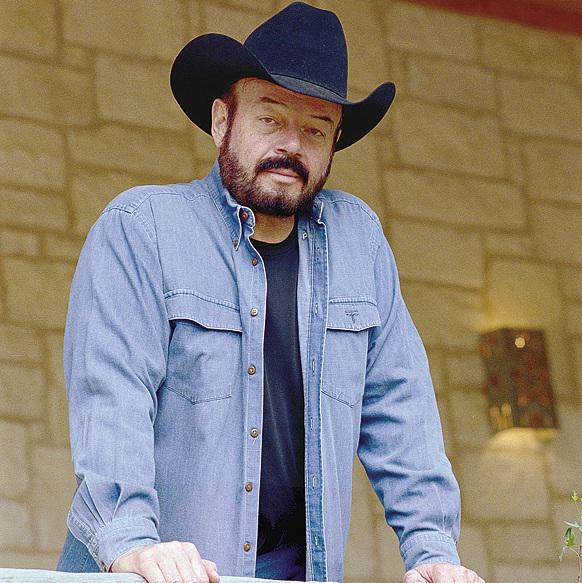
Ed Burleson’s Spotify BioEd Burleson is a baby-faced, sixth-generation Texan who works construction by day and crafts traditionally minded honky tonk by night. He has counted among his supporters the late Texas legend Doug Sahm, who served as Burleson's manager and co-produced his My Perfect World album. For that effort, Burleson was also joined by such elite Texas players as Bill Kirchen (Commander Cody) and Lloyd Maines, among others.
Burleson, a descendant of General Edward Burleson, a war hero from the Texas independence Battle of San Jacinto, was born on June 10, 1969. Burleson's father was a salesman, so Burleson grew up in various locales around Texas -- Garland, Denison, Conroe, El Paso -- as well as in Tulsa, OK. Burleson eventually settled in Lewisville, TX, where he was on the high school rodeo team. It was traveling to rodeos and listening to small-town radio that introduced him to Texas music. Burleson won a rodeo scholarship to Hill College in Hillsboro, TX, and it was there that he first started… learning guitar. Upon graduation, he acquired a knee injury that needed surgery. While recovering, his love for playing country music grew. He first started playing at a newcomer's showcase at the Three Teardrops Tavern in Dallas. The owner told Burleson if he could put a band together, he could play every Thursday night. (The drummer for that band was his father, Richard Burleson.) Burleson's first CD was 1997's Comin' Around. One night at the Broken Spoke Saloon in Austin, Burleson gave a copy of the album to Doug Sahm, who was so impressed that he became Burleson's manager. Sahm also polished up the CD and released it on his fledgling Tornado Records label. That effort, 1999's My Perfect World, hit number four on the Americana charts. ~ Erik Hage, Rovi
Viberate is a music analytics platform built for A&Rs, artist managers, labels, booking agents, marketers, and artists.
It helps music professionals track artist growth, analyze audience data, monitor playlist activity, compare artists, follow song performance, and identify opportunities across the music market.
Public artist pages provide a free preview of selected artist data. Paid plans provide access to deeper analytics, historical data, charts, comparisons, playlist tools, exports, alerts, reports, and additional professional features.
Yes. Public Viberate artist pages provide selected artist analytics and music data for free.
Viberate also offers a 7-day free trial of the full platform. A credit card is required to start the trial. The trial includes access to the complete product so users can test deeper artist analytics, historical views, playlist insights, comparisons, charts, exports, alerts, and reporting features before choosing a paid plan.
Viberate provides artist analytics across streaming, playlists, social media, video, radio airplay, songs, and audience markets.
Users can analyze Spotify performance, Spotify and Apple Music playlists, YouTube activity, TikTok and Instagram growth, radio spins, song performance, audience locations, demographics, rankings, and overall artist momentum.
Artist profiles also connect to music charts, similar artists, and comparison tools, helping users benchmark performance and evaluate artists in context.
Viberate updates key artist and track data daily.
For followed artists and tracks, selected data is refreshed multiple times per day. This helps teams monitor playlist changes, streaming movement, audience growth, releases, and campaign performance with more current data.
Update frequency can vary depending on the metric and data source.
Yes. Viberate lets users compare up to five artists side by side across streaming, social media, audience, and engagement metrics.
Users can compare fanbase growth, audience demographics, locations, Spotify performance, social metrics, and other artist data over selected time periods.
Artist comparison can be used for A&R scouting, benchmarking, booking decisions, campaign planning, and evaluating artists with similar audiences or market positions.