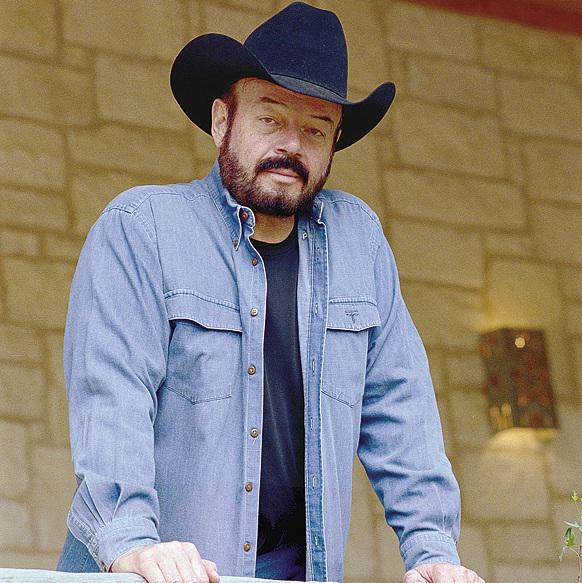
Chris Wall

Country
Contemporary Country
Americana/Alt Country
 Viberate Rank: 384476
 Viberate Rank: 384476
 Monthly ListenersFollowers
 Subscribers
 Followers
 Followers
 FansTop Spotify Songs
| Track | 7-Day Streams | |
|---|---|---|
1 | 73 | |
2 | 67 | |
3 | 39 | |
4 | 38 | |
5 | 36 |
Top YouTube VideosMonthly ListenersFeatured in Playlists| Playlist | Followers | |
|---|---|---|
1 |  Out in the Open Ben Kretchman | 64.64K |
2 | Jason Aldean Chris Koehn | 8.07K |
3 |  Classic Outlaw Country Jesse James | 6.40K |
4 |  The Austin G.O.A.T.s +🐐 bdoggiedog | 2.68K |
5 |  Porch Drinking | Austin Vibes | Updated Daily Jordan | 1.47K |
Audience| City | Monthly Listeners | |
|---|---|---|
1 | | 119 |
2 | | 87 |
3 | | 87 |
4 | | 51 |
5 | | 51 |
See full performance history, audience data, playlist activity, rankings, comparisons, and more in Viberate music analytics. Start with a free trial, then continue with a paid plan.
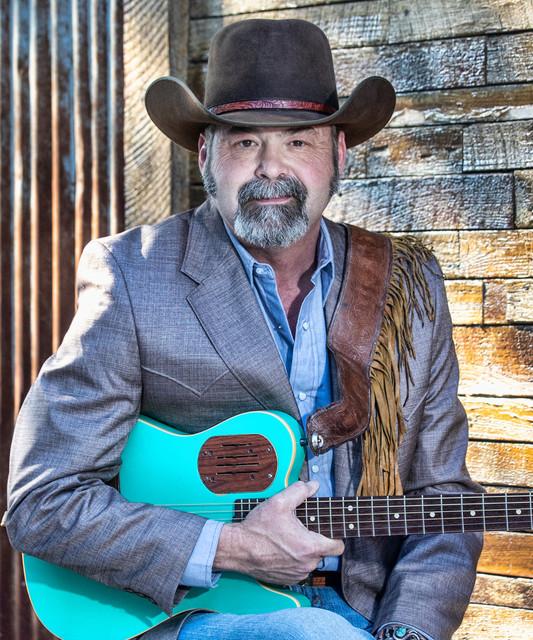
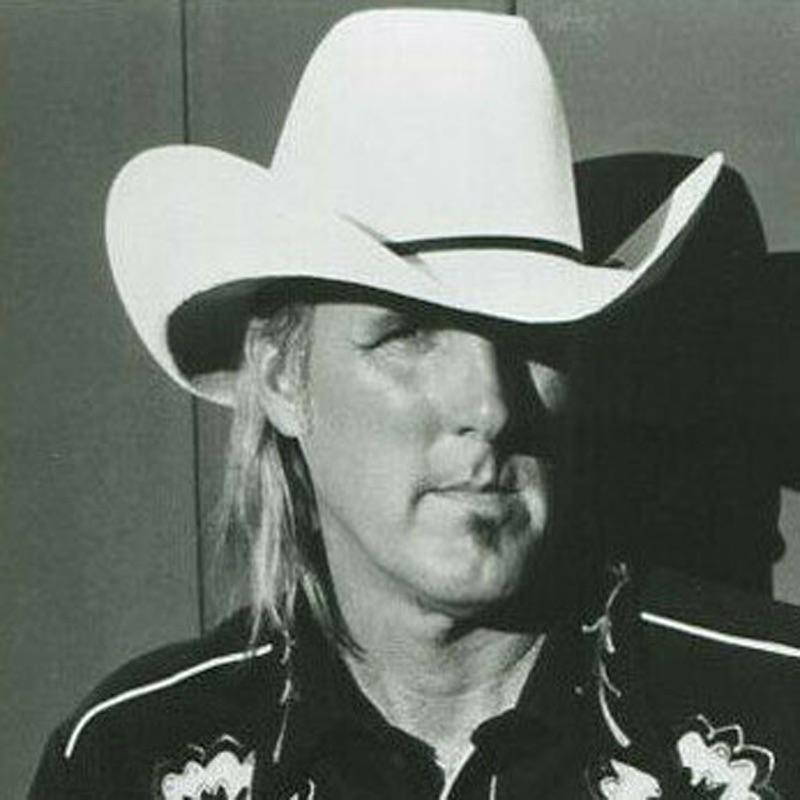
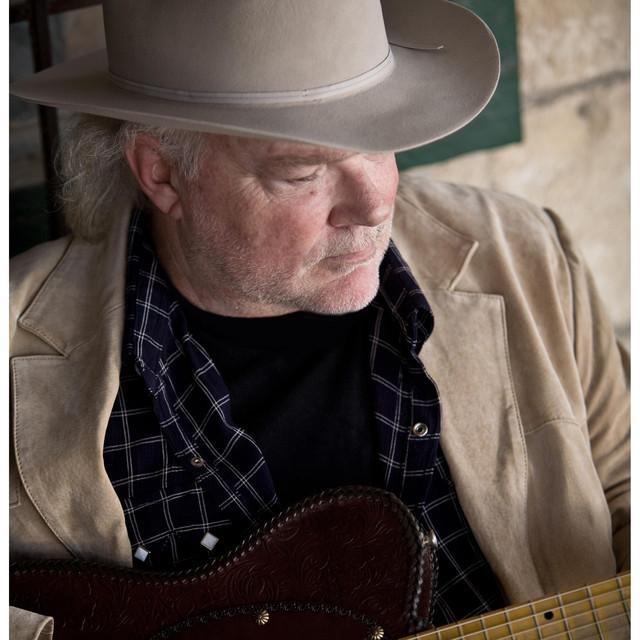
Chris Wall’s Spotify BioAny guy could put on a Stetson hat and pretend he is a country singer, but Chris Wall is the real thing, a songwriter who knows about honky tonks and country clichés. Wall is alternately humorous ("Something to Shoot" from Honky Tonk Heart) and personable, relating little stories showing that he wears his honky tonk heart on his sleeve. Born in Newport Beach, CA, Wall was the son of a singer who collaborated with the Sons of the Pioneers' Bob Nolan. Wall also spent time at his uncle's cattle ranch, growing to love the country more than his usual surroundings. He later moved to Montana and began writing country songs; he met Guy Clark in 1987 and, after the two swapped songs, Clark recommended the young singer to Jerry Jeff Walker, who caught his show in Jackson Hole, WY. Impressed by what he saw, Walker invited Wall down to Austin in 1988 to record with him. After a few sessions, he moved there and released his debut tape in mid-1989. Rykodisc signed the back-to-basics country… guitarist after hearing the tape and seeing his support slot for Walker. Remixed and remastered, Honky Tonk Heart appeared in 1990. No Sweat was released the following year. A long hiatus preceded the release of Tainted Angel in 1998. ~ John Bush & Dennis MacDonald, Rovi
Viberate is a music analytics platform built for A&Rs, artist managers, labels, booking agents, marketers, and artists.
It helps music professionals track artist growth, analyze audience data, monitor playlist activity, compare artists, follow song performance, and identify opportunities across the music market.
Public artist pages provide a free preview of selected artist data. Paid plans provide access to deeper analytics, historical data, charts, comparisons, playlist tools, exports, alerts, reports, and additional professional features.
Yes. Public Viberate artist pages provide selected artist analytics and music data for free.
Viberate also offers a 7-day free trial of the full platform. A credit card is required to start the trial. The trial includes access to the complete product so users can test deeper artist analytics, historical views, playlist insights, comparisons, charts, exports, alerts, and reporting features before choosing a paid plan.
Viberate provides artist analytics across streaming, playlists, social media, video, radio airplay, songs, and audience markets.
Users can analyze Spotify performance, Spotify and Apple Music playlists, YouTube activity, TikTok and Instagram growth, radio spins, song performance, audience locations, demographics, rankings, and overall artist momentum.
Artist profiles also connect to music charts, similar artists, and comparison tools, helping users benchmark performance and evaluate artists in context.
Viberate updates key artist and track data daily.
For followed artists and tracks, selected data is refreshed multiple times per day. This helps teams monitor playlist changes, streaming movement, audience growth, releases, and campaign performance with more current data.
Update frequency can vary depending on the metric and data source.
Yes. Viberate lets users compare up to five artists side by side across streaming, social media, audience, and engagement metrics.
Users can compare fanbase growth, audience demographics, locations, Spotify performance, social metrics, and other artist data over selected time periods.
Artist comparison can be used for A&R scouting, benchmarking, booking decisions, campaign planning, and evaluating artists with similar audiences or market positions.