Cooder Graw

Country
Americana/Alt Country
 Viberate Rank: 197223
 Viberate Rank: 197223
 Monthly ListenersFollowers
 Subscribers
 Followers
 Followers
 FansTop Spotify Songs
| Track | 7-Day Streams | |
|---|---|---|
1 | 2.03K | |
2 | 1.46K | |
3 | 1.06K | |
4 | 1.03K | |
5 | 937 |
Top YouTube VideosMonthly ListenersFeatured in Playlists| Playlist | Followers | |
|---|---|---|
1 | katesos75 | 29.17K |
2 | RedDirtCountry Chase Dearing | 22.73K |
3 | Nashville Soundtrack - ALL Seasons! Jamie.carroll | 10.15K |
4 | MÚSICA COUNTRY tizana40 | 7.93K |
5 | Red Dirt/Texas Country Reece Kunschick | 5.54K |
Audience| City | Monthly Listeners | |
|---|---|---|
1 | | 1.97K |
2 | | 1.21K |
3 | | 1.18K |
4 | | 1.09K |
5 | | 1.00K |
See full performance history, audience data, playlist activity, rankings, comparisons, and more in Viberate music analytics. Start with a free trial, then continue with a paid plan.
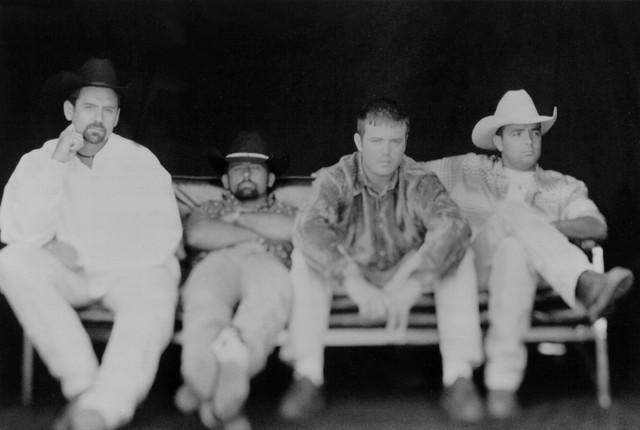
Cooder Graw’s Spotify BioPlaying a lively breed of Texas-style country music with a rock & roll swagger, self-described "loud country" band Cooder Graw were formed in Amarillo, Texas, in 1998. Originally known as Coup de Grâce, the band soon learned another group was already using that name, and they opted to switch to a phonetic variation with Texas feel. The band's original lineup featured Matt Martindale (vocals/acoustic guitar), Kelly Turner (guitar), Paul Baker (bass), Joe Ammons (drums), and Jim Whisenhut (pedal steel guitar). The members of Cooder Graw stepped into the music biz a bit later than usual; the members' ages ranged from the late thirties through early fifties, and lead singer and main songwriter Martindale was the assistant district attorney of Gray County, Texas before leaving to pursue music full-time. Cooder Graw quickly earned a loyal local fan base and they were named "Best New Band of the Year" by Dallas radio station KLIF, and won "Band of the Year" and "New Artist of the Year" honors… from the Americana music website Rockzillaworld, which led to opening shows for such renowned country artists as Willie Nelson and Alabama. 2000 saw the band release their self-titled debut, produced by Ray Benson (a member of fellow country outfit Asleep at the Wheel) and Hayden Nicholas (a guitarist and songwriter who penned nine chart-topping hits for Clint Black). In January of 2001, Cooder Graw issued the 13-track live album Segundo, which mixed previously unrecorded tunes with renditions of favorites from their debut, and by the end of the year, they'd released a fresh studio set, Shifting Gears. Another concert set, Live at Billy Bob's Texas, was issued in 2002, and 2004 saw the band release another studio album, Wake Up. In 2006, the hard-working Cooder Graw announced they were breaking up, and they placed a farewell concert in Fort Worth on New Year's Eve. Martindale pursued a low-key solo career, but in 2012, Cooder Graw booked a well-received reunion tour, and soon the group was back in business with a new lineup, featuring original members Martindale, Baker, and Turner, and new recruits Carmen Acciaioli (fiddle and mandolin), Danny Crelin (pedal steel guitar), and Kelly Test (drums). In 2016, the new Cooder Graw released a six-song EP, Love to Live By, which featured two singles that fared well in Texas, "Heart of Breaking Up" and the title tune. ~ Greg Prato, Rovi
Viberate is a music analytics platform built for A&Rs, artist managers, labels, booking agents, marketers, and artists.
It helps music professionals track artist growth, analyze audience data, monitor playlist activity, compare artists, follow song performance, and identify opportunities across the music market.
Public artist pages provide a free preview of selected artist data. Paid plans provide access to deeper analytics, historical data, charts, comparisons, playlist tools, exports, alerts, reports, and additional professional features.
Yes. Public Viberate artist pages provide selected artist analytics and music data for free.
Viberate also offers a 7-day free trial of the full platform. A credit card is required to start the trial. The trial includes access to the complete product so users can test deeper artist analytics, historical views, playlist insights, comparisons, charts, exports, alerts, and reporting features before choosing a paid plan.
Viberate provides artist analytics across streaming, playlists, social media, video, radio airplay, songs, and audience markets.
Users can analyze Spotify performance, Spotify and Apple Music playlists, YouTube activity, TikTok and Instagram growth, radio spins, song performance, audience locations, demographics, rankings, and overall artist momentum.
Artist profiles also connect to music charts, similar artists, and comparison tools, helping users benchmark performance and evaluate artists in context.
Viberate updates key artist and track data daily.
For followed artists and tracks, selected data is refreshed multiple times per day. This helps teams monitor playlist changes, streaming movement, audience growth, releases, and campaign performance with more current data.
Update frequency can vary depending on the metric and data source.
Yes. Viberate lets users compare up to five artists side by side across streaming, social media, audience, and engagement metrics.
Users can compare fanbase growth, audience demographics, locations, Spotify performance, social metrics, and other artist data over selected time periods.
Artist comparison can be used for A&R scouting, benchmarking, booking decisions, campaign planning, and evaluating artists with similar audiences or market positions.