Menahem Pressler

Classical
Classical Crossover
Chamber Music
 Viberate Rank: 153915
 Viberate Rank: 153915
 Monthly ListenersFollowers
 Subscribers
 Followers
 Followers
 FansTop Spotify Songs
| Track | 7-Day Streams | |
|---|---|---|
1 | 11.55K | |
2 | 2.84K | |
3 | 1.85K | |
4 | 1.64K | |
5 | 1.05K |
Top YouTube VideosMonthly ListenersFeatured in Playlists| Playlist | Followers | |
|---|---|---|
1 |  Classroom Classical Spotify | 77.53K |
2 |  dreamy classical, romantic era 🥀 Guppie | 38.25K |
3 |  Every Track Star* Song Track Star* | 36.85K |
4 |  Calm Classics Peaceful Classics | 31.40K |
5 |  Work From Home Classics Peaceful Classics | 17.33K |
Audience| City | Monthly Listeners | |
|---|---|---|
1 |  | 1.84K |
2 |  | 1.80K |
3 |  | 1.42K |
4 |  | 1.37K |
5 |  | 1.31K |
See full performance history, audience data, playlist activity, rankings, comparisons, and more in Viberate music analytics. Start with a free trial, then continue with a paid plan.
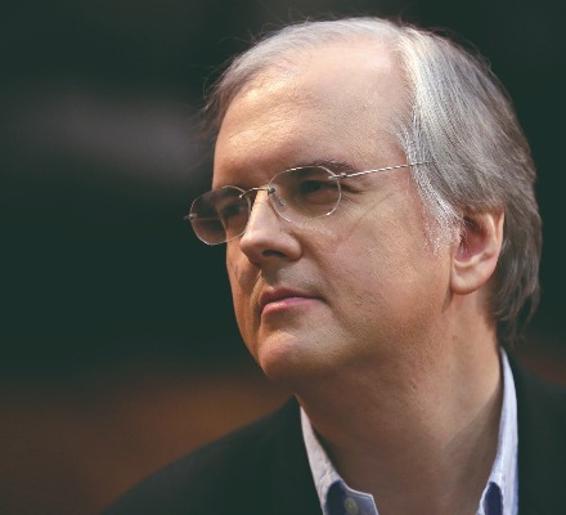
Menahem Pressler’s Spotify BioThe name Menahem Pressler was, to many, almost synonymous with the Beaux Arts Trio, the group he founded in 1955, the same year the busy pianist joined the faculty at Indiana University. Incredibly, he remained active in both roles for 50-plus years. The Beaux Arts Trio was often cited as one of the world's finest piano trios, and most of the credit for its success must go to Pressler, who was, not surprisingly, the only enduring member down through the years. The group, in residence at the Library of Congress in Washington, D.C., concertized widely throughout the world, typically giving around 100 concerts a year. Pressler also made a name for himself as a soloist and recitalist, as well as a freelance pianist working with many other artists and groups, such as the Juilliard, Emerson, and Guarneri string quartets. He made more than 60 recordings with the Trio and over 30 as a soloist, most appearing on such major labels as Philips and Deutsche Grammophon, among others. Several… composers, including György Kurtág, wrote works expressly for Pressler.
Pressler was born in Magdeburg, Germany, on December 16, 1923. A talented pianist in his teens, he was forced to flee Germany in 1938. His family settled in Israel, where Pressler received most of his advanced musical education. In 1946, Pressler won the Debussy International Piano Competition in San Francisco. Shortly afterward, he appeared with the Philadelphia Orchestra under Eugene Ormandy.
Though his career as a piano soloist and recitalist was successful, Pressler became increasingly involved in chamber music and founded the Beaux Arts Trio in 1955. The other original members were violinist Daniel Guilet and cellist Bernard Greenhouse. Their debut was at the 1955 Berkshire Music Festival. Guilet was replaced in 1969 by Isidore Cohen and Greenhouse in 1987 by Peter Wiley. Several other changes came shortly afterward, with Ida Kavafian and Young Uck Kim holding relatively brief tenures. The Trio -- comprised of Pressler, violinist Daniel Hope, and cellist Antonio Meneses at the time -- took its last bows in 2008.
Pressler continued to perform and record with other musicians and as a soloist for another ten years. Along with teaching since 1955 at Indiana University (Jacobs School of Music), Pressler regularly served as a jury member at the Queen Elisabeth, Van Cliburn, and other competitions, and in 2019, the famed Tchaikovsky Competition. His later recordings include Mozart piano concertos with the Magdeburgische Philharmonie from 2016 and a disc of Debussy solo piano pieces released in 2018. Pressler was 99 years old when he died on May 6, 2023. ~ Robert Cummings & Patsy Morita, Rovi
Viberate is a music analytics platform built for A&Rs, artist managers, labels, booking agents, marketers, and artists.
It helps music professionals track artist growth, analyze audience data, monitor playlist activity, compare artists, follow song performance, and identify opportunities across the music market.
Public artist pages provide a free preview of selected artist data. Paid plans provide access to deeper analytics, historical data, charts, comparisons, playlist tools, exports, alerts, reports, and additional professional features.
Yes. Public Viberate artist pages provide selected artist analytics and music data for free.
Viberate also offers a 7-day free trial of the full platform. A credit card is required to start the trial. The trial includes access to the complete product so users can test deeper artist analytics, historical views, playlist insights, comparisons, charts, exports, alerts, and reporting features before choosing a paid plan.
Viberate provides artist analytics across streaming, playlists, social media, video, radio airplay, songs, and audience markets.
Users can analyze Spotify performance, Spotify and Apple Music playlists, YouTube activity, TikTok and Instagram growth, radio spins, song performance, audience locations, demographics, rankings, and overall artist momentum.
Artist profiles also connect to music charts, similar artists, and comparison tools, helping users benchmark performance and evaluate artists in context.
Viberate updates key artist and track data daily.
For followed artists and tracks, selected data is refreshed multiple times per day. This helps teams monitor playlist changes, streaming movement, audience growth, releases, and campaign performance with more current data.
Update frequency can vary depending on the metric and data source.
Yes. Viberate lets users compare up to five artists side by side across streaming, social media, audience, and engagement metrics.
Users can compare fanbase growth, audience demographics, locations, Spotify performance, social metrics, and other artist data over selected time periods.
Artist comparison can be used for A&R scouting, benchmarking, booking decisions, campaign planning, and evaluating artists with similar audiences or market positions.