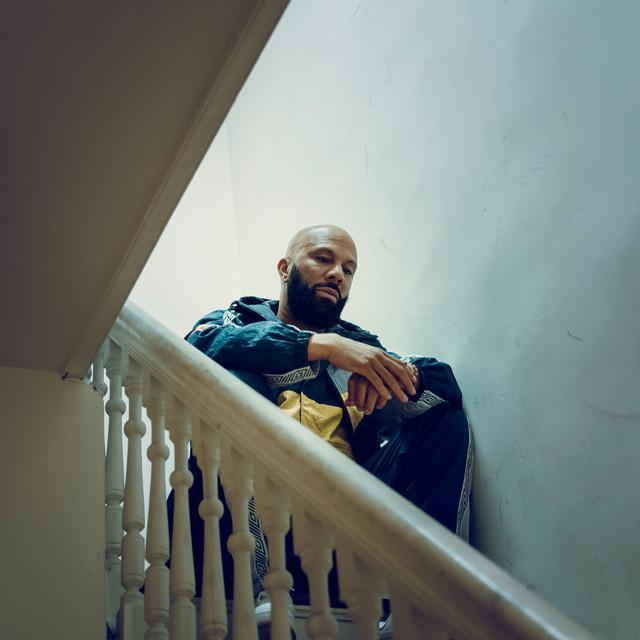
Dwele

R&B
Contemporary R&B
Neo Soul
 Viberate Rank: 5643
 Viberate Rank: 5643
 Monthly ListenersFollowers
 Subscribers
 Followers
 Followers
 FansTop Spotify Songs
| Track | 7-Day Streams | |
|---|---|---|
1 | 9.95M | |
2 | 69.67K | |
3 | 38.40K | |
4 | 32.43K | |
5 | 21.24K |
Top YouTube VideosMonthly ListenersFeatured in Playlists| Playlist | Followers | |
|---|---|---|
1 |  All Out 2000s Spotify | 12.95M |
2 |  This Is Kanye West Spotify | 1.50M |
3 |  Soulful Day Spotify | 1.01M |
4 |  BILLIONS CLUB Spotify | 985.00K |
5 |  clubbing like it's the 2000's kass !! | 981.12K |
Audience| City | Monthly Listeners | |
|---|---|---|
1 | | 7.96K |
2 |  | 7.73K |
3 | | 6.75K |
4 | | 6.09K |
5 | | 5.25K |
See full performance history, audience data, playlist activity, rankings, comparisons, and more in Viberate music analytics. Start with a free trial, then continue with a paid plan.
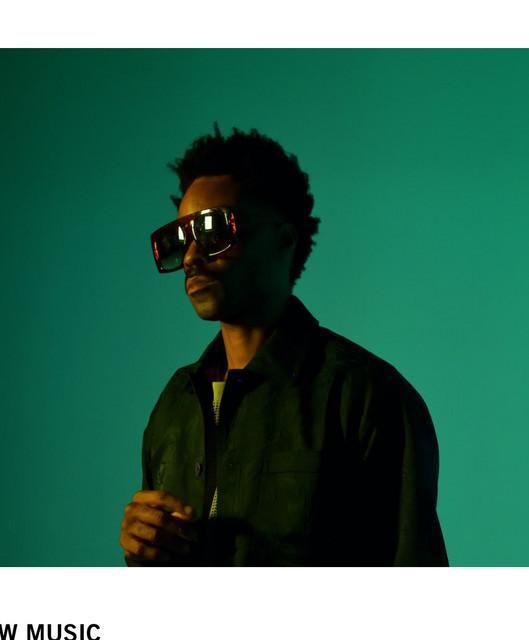
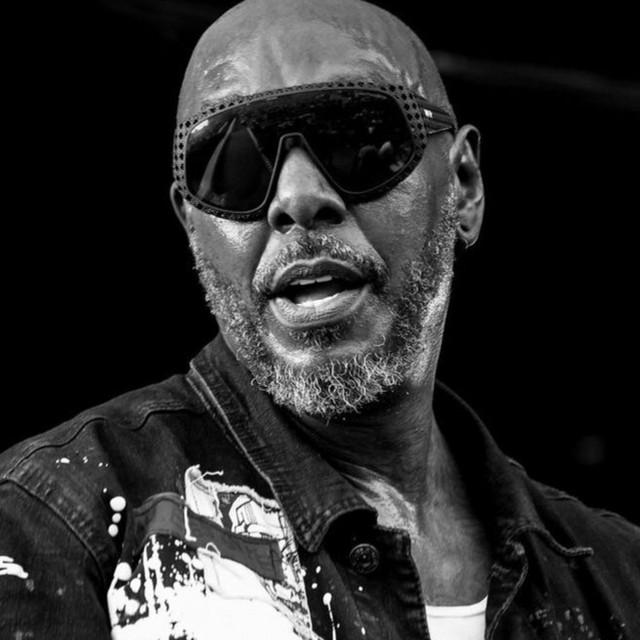
Dwele’s Spotify BioAdult contemporary R&B singer/songwriter/producer Dwele grew up on Detroit's west side, listening to soul music from Motown visionaries Stevie Wonder and Marvin Gaye as well as jazz on the radio. Born Andwele Gardner, he began writing songs at the age of ten, after his father was murdered outside his home, and attended Cody High in Detroit. Dwele spent a year studying music at Wayne State but then opted for an informal education, making music at his home while living in Dearborn and working for AAA. His demo tape, 1998's The Rize, made waves around the Motor City, and he spent time collaborating with Detroit hip-hop group Slum Village and Philadelphia rapper Bahamadia. Signed to Virgin on the strength of his songwriting and performance skills, Dwele released Subject in mid-2003 and cemented his appeal with European audiences (he was a favorite on Gilles Peterson's influential Radio 1 program) with a tour that summer. His second album, Some Kinda..., followed in 2005 and reached the Top… 10 of the R&B chart. A couple years later, he provided the hook on Kanye West's hit single "Flashing Lights" and signed to Koch/eOne to release Sketches of a Man (2008) and W.ants W.orld W.omen (2010). Both albums maintained the singer's streak of Top Ten R&B albums. Greater Than One (2012), also released on eOne, featured some of his breeziest, most pleasing grooves. ~ John Bush, Rovi
Viberate is a music analytics platform built for A&Rs, artist managers, labels, booking agents, marketers, and artists.
It helps music professionals track artist growth, analyze audience data, monitor playlist activity, compare artists, follow song performance, and identify opportunities across the music market.
Public artist pages provide a free preview of selected artist data. Paid plans provide access to deeper analytics, historical data, charts, comparisons, playlist tools, exports, alerts, reports, and additional professional features.
Yes. Public Viberate artist pages provide selected artist analytics and music data for free.
Viberate also offers a 7-day free trial of the full platform. A credit card is required to start the trial. The trial includes access to the complete product so users can test deeper artist analytics, historical views, playlist insights, comparisons, charts, exports, alerts, and reporting features before choosing a paid plan.
Viberate provides artist analytics across streaming, playlists, social media, video, radio airplay, songs, and audience markets.
Users can analyze Spotify performance, Spotify and Apple Music playlists, YouTube activity, TikTok and Instagram growth, radio spins, song performance, audience locations, demographics, rankings, and overall artist momentum.
Artist profiles also connect to music charts, similar artists, and comparison tools, helping users benchmark performance and evaluate artists in context.
Viberate updates key artist and track data daily.
For followed artists and tracks, selected data is refreshed multiple times per day. This helps teams monitor playlist changes, streaming movement, audience growth, releases, and campaign performance with more current data.
Update frequency can vary depending on the metric and data source.
Yes. Viberate lets users compare up to five artists side by side across streaming, social media, audience, and engagement metrics.
Users can compare fanbase growth, audience demographics, locations, Spotify performance, social metrics, and other artist data over selected time periods.
Artist comparison can be used for A&R scouting, benchmarking, booking decisions, campaign planning, and evaluating artists with similar audiences or market positions.