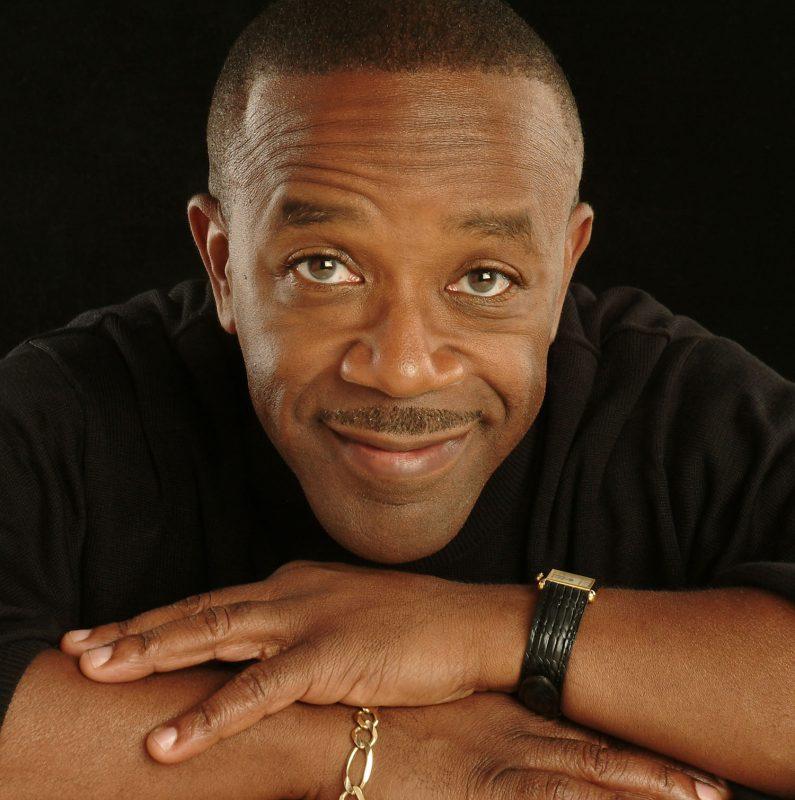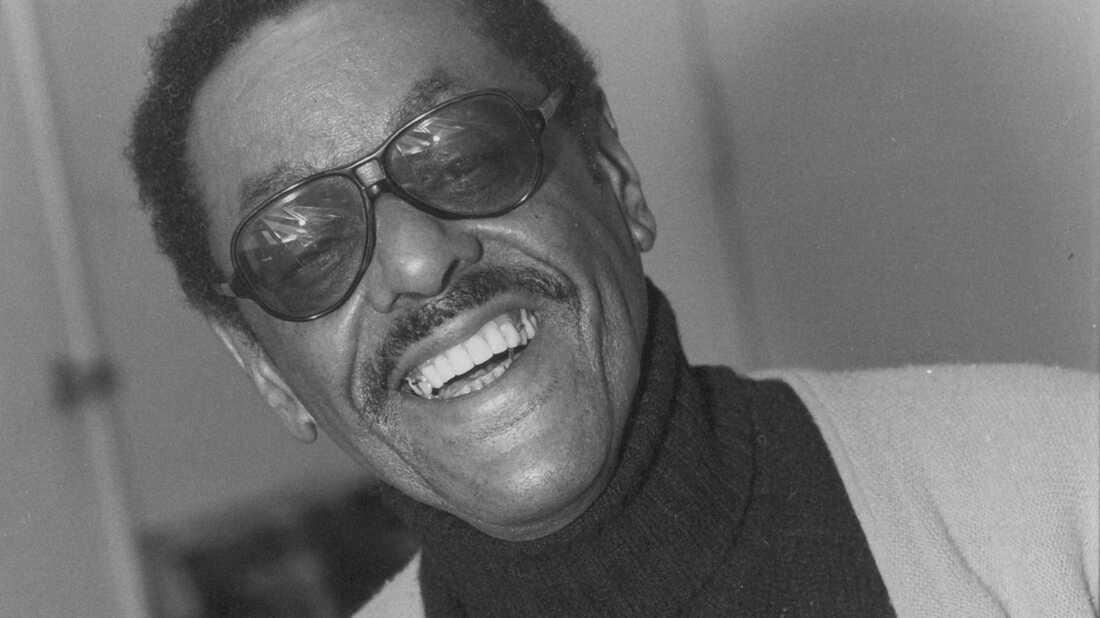
Duke Jordan

Jazz
Bebop
 Viberate Rank: 132427
 Viberate Rank: 132427
 Monthly ListenersFollowers
 Subscribers
 Followers
 Followers
 FansTop Spotify Songs
| Track | 7-Day Streams | |
|---|---|---|
1 | 19.44K | |
2 | 4.54K | |
3 | 4.38K | |
4 | 3.62K | |
5 | 3.62K |
Top YouTube VideosMonthly ListenersFeatured in Playlists| Playlist | Followers | |
|---|---|---|
1 |  Dark Academia Jazz Spotify | 282.85K |
2 |  Jazz Soundtracks Spotify | 197.28K |
3 |  Jazz Piano Classics Spotify | 158.67K |
4 |  Smooth Jazz Piano funkyjlo | 155.13K |
5 |  Piano Bar • Lounge Music • Smooth Jazz David Anthony | 37.10K |
Audience| City | Monthly Listeners | |
|---|---|---|
1 |  | 1.16K |
2 |  | 889 |
3 | | 846 |
4 | | 846 |
5 | | 678 |
See full performance history, audience data, playlist activity, rankings, comparisons, and more in Viberate music analytics. Start with a free trial, then continue with a paid plan.
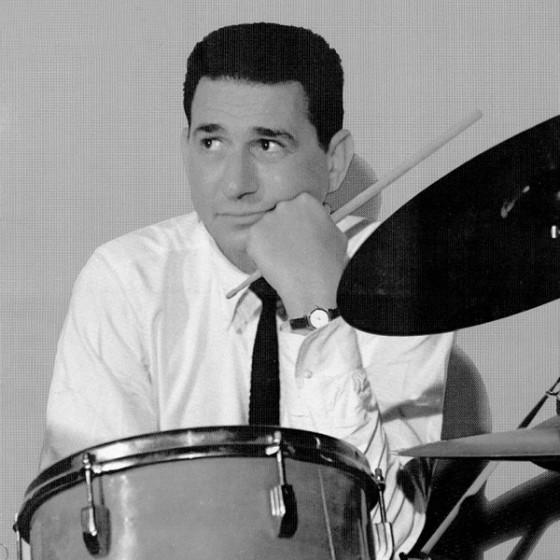
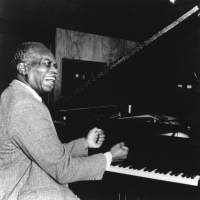
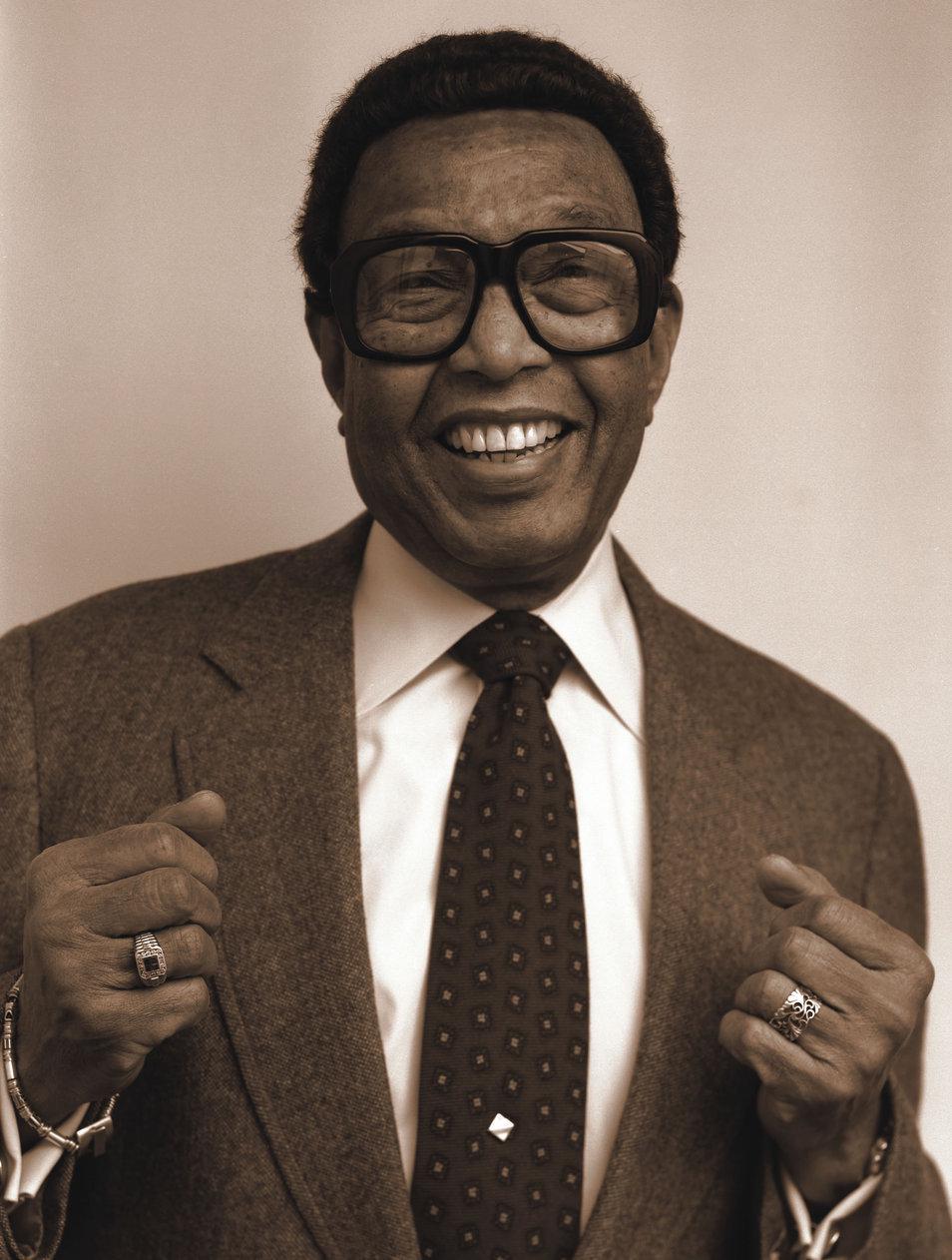
Duke Jordan’s Spotify BioAlthough he had a long career, Duke Jordan will always be best known for being pianist with Charlie Parker's classic 1947 quintet. A little earlier, he worked with the Savoy Sultans, Coleman Hawkins, and the Roy Eldridge big band (1946). After his year with Parker (his piano introductions to such songs as "Embraceable You" were classic), Jordan worked with the Sonny Stitt/Gene Ammons quintet (1950-1951) and Stan Getz (1949 and 1952-1953). He started recording as a leader in 1954, debuting his most famous composition, "Jor-Du," the following year. Although he worked steadily during the next few decades (writing part of the soundtrack for the French film Les Liaisons Dangereuses), Jordan was in obscurity until he began recording on a regular basis for Steeplechase in 1973. Duke Jordan, who was married for a time to the talented jazz singer Sheila Jordan, lived in Denmark from 1978 until his death on August 8, 2006. He recorded through the years for Prestige, Savoy, Blue Note, Charlie… Parker Records, Muse, Spotlite, and Steeplechase. ~ Scott Yanow, Rovi
Viberate is a music analytics platform built for A&Rs, artist managers, labels, booking agents, marketers, and artists.
It helps music professionals track artist growth, analyze audience data, monitor playlist activity, compare artists, follow song performance, and identify opportunities across the music market.
Public artist pages provide a free preview of selected artist data. Paid plans provide access to deeper analytics, historical data, charts, comparisons, playlist tools, exports, alerts, reports, and additional professional features.
Yes. Public Viberate artist pages provide selected artist analytics and music data for free.
Viberate also offers a 7-day free trial of the full platform. A credit card is required to start the trial. The trial includes access to the complete product so users can test deeper artist analytics, historical views, playlist insights, comparisons, charts, exports, alerts, and reporting features before choosing a paid plan.
Viberate provides artist analytics across streaming, playlists, social media, video, radio airplay, songs, and audience markets.
Users can analyze Spotify performance, Spotify and Apple Music playlists, YouTube activity, TikTok and Instagram growth, radio spins, song performance, audience locations, demographics, rankings, and overall artist momentum.
Artist profiles also connect to music charts, similar artists, and comparison tools, helping users benchmark performance and evaluate artists in context.
Viberate updates key artist and track data daily.
For followed artists and tracks, selected data is refreshed multiple times per day. This helps teams monitor playlist changes, streaming movement, audience growth, releases, and campaign performance with more current data.
Update frequency can vary depending on the metric and data source.
Yes. Viberate lets users compare up to five artists side by side across streaming, social media, audience, and engagement metrics.
Users can compare fanbase growth, audience demographics, locations, Spotify performance, social metrics, and other artist data over selected time periods.
Artist comparison can be used for A&R scouting, benchmarking, booking decisions, campaign planning, and evaluating artists with similar audiences or market positions.