Bloodbound

Metal
Heavy Metal
Power Metal
 Viberate Rank: 50207
 Viberate Rank: 50207
 Monthly ListenersFollowers
 Subscribers
 Followers
 Followers
 FansTop Spotify Songs
| Track | 7-Day Streams | |
|---|---|---|
1 | 76.78K | |
2 | 44.45K | |
3 | 35.80K | |
4 | 35.77K | |
5 | 33.39K |
Top YouTube Videos| Video | 7-Day Views | |
|---|---|---|
1 | 2.34K | |
2 | 1.27K | |
3 | 626 | |
4 | 294 | |
5 | 292 |
Monthly ListenersFeatured in Playlists| Playlist | Followers | |
|---|---|---|
1 |  Epic & Melodic Spotify | 825.53K |
2 |  This is Power Metal Metal Playlists | 60.40K |
3 |  Power Speed and Metal Chris Entonie | 38.53K |
4 |  Power & Fantasy Metal Ringo Jones | 34.75K |
5 | power metal Moritz Michael | 29.79K |
Audience| City | Monthly Listeners | |
|---|---|---|
1 |  | 5.25K |
2 | | 5.09K |
3 | | 5.07K |
4 |  | 4.88K |
5 | | 4.22K |
See full performance history, audience data, playlist activity, rankings, comparisons, and more in Viberate music analytics. Start with a free trial, then continue with a paid plan.
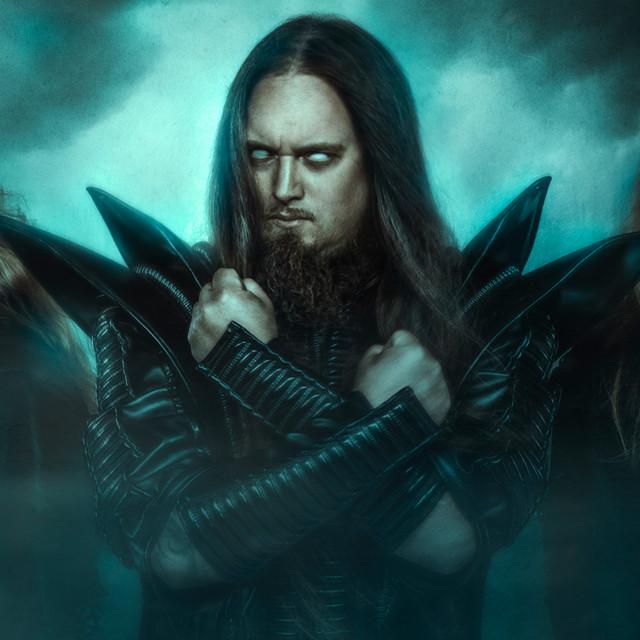
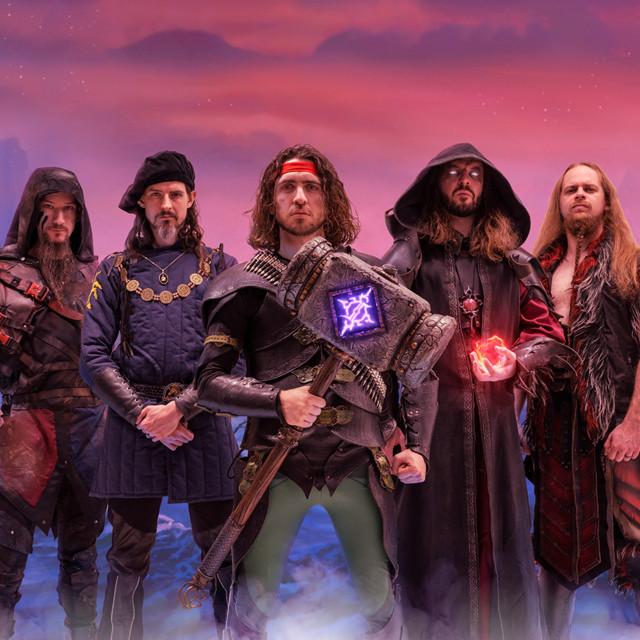
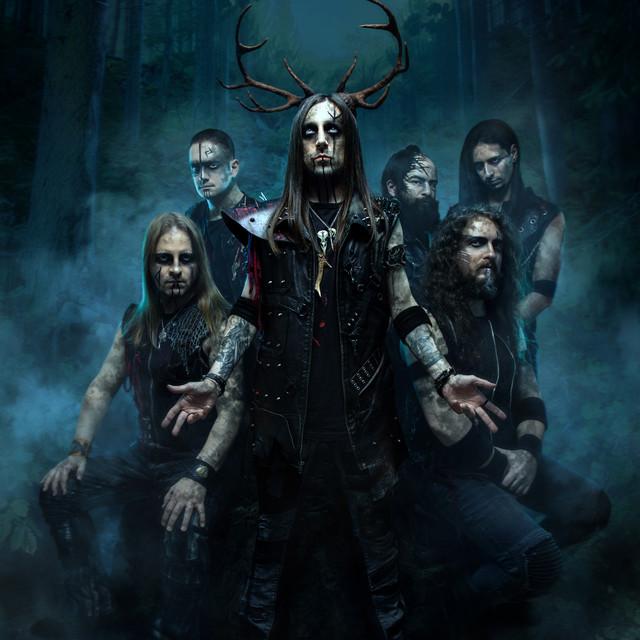
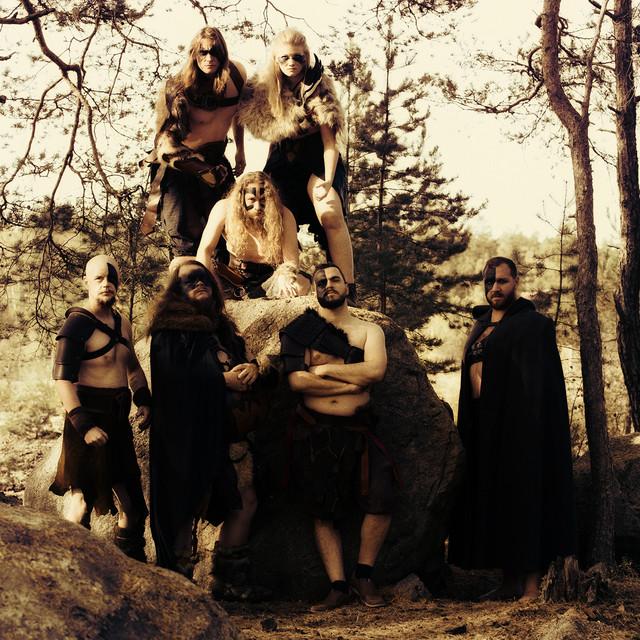
Bloodbound’s Spotify BioA Swedish heavy metal institution, Bloodbound's music has remained constant throughout their career, never straying very far from a traditional heavy metal base with power and symphonic metal accoutrements. Emerging in 2005 with Nosferatu, the band's dark image, which included corpse paint-style makeup, suggested a proclivity for black metal, but their sound hewed closer to anthemic power metal stalwarts like Helloween and Hammerfall. Bloodbound continued to explore the realms of epic fantasy metal on subsequent outings like Tabula Rasa (2009), Stormborn (2014), Rise of the Dragon Empire (2019), and Tales from the North (2024).
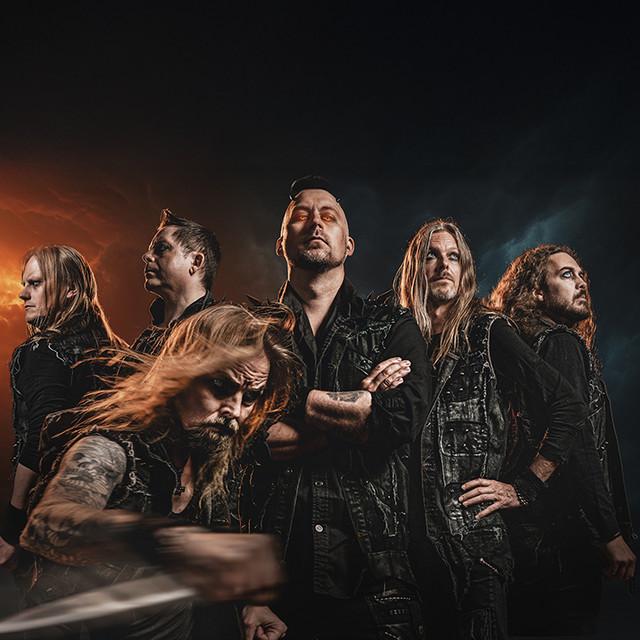
Bloodbound were formed in the summer of 2004 by kindred metallic spirits Tomas Olsson (lead guitar) and Fredrik Bergh (keyboards), both of whom had cut their teeth with several bands over the years before first joining forces in the short-lived Street Talk. Looking to make a strong impression from the get-go, the duo convinced experienced frontman Urban Breed,… formerly of Tad Morose, to join Bloodbound's ranks, then completed the band's lineup with drummer Pelle Åkerlind (ex-Morgana LeFay), bassist Johan Sohlberg, and Olsson's brother Henrik as rhythm guitarist. This quintet recorded 2006's well-received freshman LP Nosferatu, but their much-vaunted "blood brothers" kinship was sadly already dissolved by the release of 2007's sophomore Book of the Dead, where Michael Bormann stepped in as vocalist and Bergh took over bass duties from the departed Sohlberg. Luckily, Bloodbound's original lineup would reunite for 2009's Tabula Rasa, only to splinter yet again before the sessions for 2011's Unholy Cross, where another new singer and bassist were introduced in Patrik J Selleby and Anders Broman, respectively. The fist-pumping In the Name of Metal was released in 2012, followed by the bombastic, Game of Thrones-inspired fantasy epics Stormborn (2014), War of Dragons (2017), and Rise of the Dragon Empire (2019); the live package One Night of Blood, documenting their appearance at Masters of Rock MMXV, appeared in 2016. Bloodbound's ninth studio album, Creatures of the Dark Realm, was released in 2021 and continued their sword and sorcery lyrical predilections. 2024's Tales from the North saw the band deliver an Odin-worthy power metal feast rooted in themes of Norse history and mythology. ~ Eduardo Rivadavia, Rovi
Viberate is a music analytics platform built for A&Rs, artist managers, labels, booking agents, marketers, and artists.
It helps music professionals track artist growth, analyze audience data, monitor playlist activity, compare artists, follow song performance, and identify opportunities across the music market.
Public artist pages provide a free preview of selected artist data. Paid plans provide access to deeper analytics, historical data, charts, comparisons, playlist tools, exports, alerts, reports, and additional professional features.
Yes. Public Viberate artist pages provide selected artist analytics and music data for free.
Viberate also offers a 7-day free trial of the full platform. A credit card is required to start the trial. The trial includes access to the complete product so users can test deeper artist analytics, historical views, playlist insights, comparisons, charts, exports, alerts, and reporting features before choosing a paid plan.
Viberate provides artist analytics across streaming, playlists, social media, video, radio airplay, songs, and audience markets.
Users can analyze Spotify performance, Spotify and Apple Music playlists, YouTube activity, TikTok and Instagram growth, radio spins, song performance, audience locations, demographics, rankings, and overall artist momentum.
Artist profiles also connect to music charts, similar artists, and comparison tools, helping users benchmark performance and evaluate artists in context.
Viberate updates key artist and track data daily.
For followed artists and tracks, selected data is refreshed multiple times per day. This helps teams monitor playlist changes, streaming movement, audience growth, releases, and campaign performance with more current data.
Update frequency can vary depending on the metric and data source.
Yes. Viberate lets users compare up to five artists side by side across streaming, social media, audience, and engagement metrics.
Users can compare fanbase growth, audience demographics, locations, Spotify performance, social metrics, and other artist data over selected time periods.
Artist comparison can be used for A&R scouting, benchmarking, booking decisions, campaign planning, and evaluating artists with similar audiences or market positions.