Doris Troy

R&B
Soul
Contemporary R&B
 Viberate Rank: 86904
 Viberate Rank: 86904
 Monthly ListenersFollowers
 Subscribers
 Followers
 Followers
 FansTop Spotify Songs
| Track | 7-Day Streams | |
|---|---|---|
1 | 152.13K | |
2 | 13.42K | |
3 | 2.78K | |
4 | 2.78K | |
5 | 2.16K |
Top YouTube VideosMonthly ListenersFeatured in Playlists| Playlist | Followers | |
|---|---|---|
1 |  Lowrider Crusin' Spotify | 144.17K |
2 |  50s housewife bangers🍸 caera | 93.16K |
3 |  Vintage & Retro | Soul • Blues • Rock • Classic Vibes • Throwback Pop • Modern Oldies Retro Tones | 86.99K |
4 | Oldies Chicanos Love 💕🇲🇽🇺🇸 Aymé💘 | 73.08K |
5 |  Oldies: Love Songs Spotify | 71.21K |
Audience| City | Monthly Listeners | |
|---|---|---|
1 | | 7.12K |
2 |  | 5.14K |
3 |  | 4.49K |
4 | | 4.43K |
5 | | 4.21K |
See full performance history, audience data, playlist activity, rankings, comparisons, and more in Viberate music analytics. Start with a free trial, then continue with a paid plan.
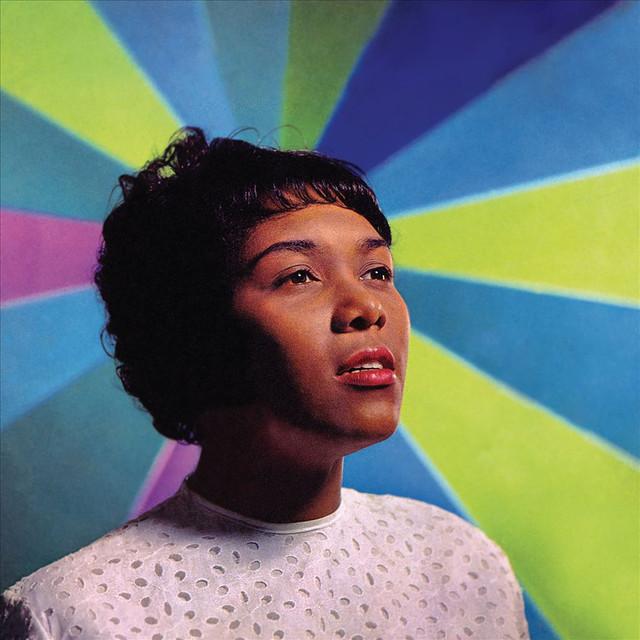
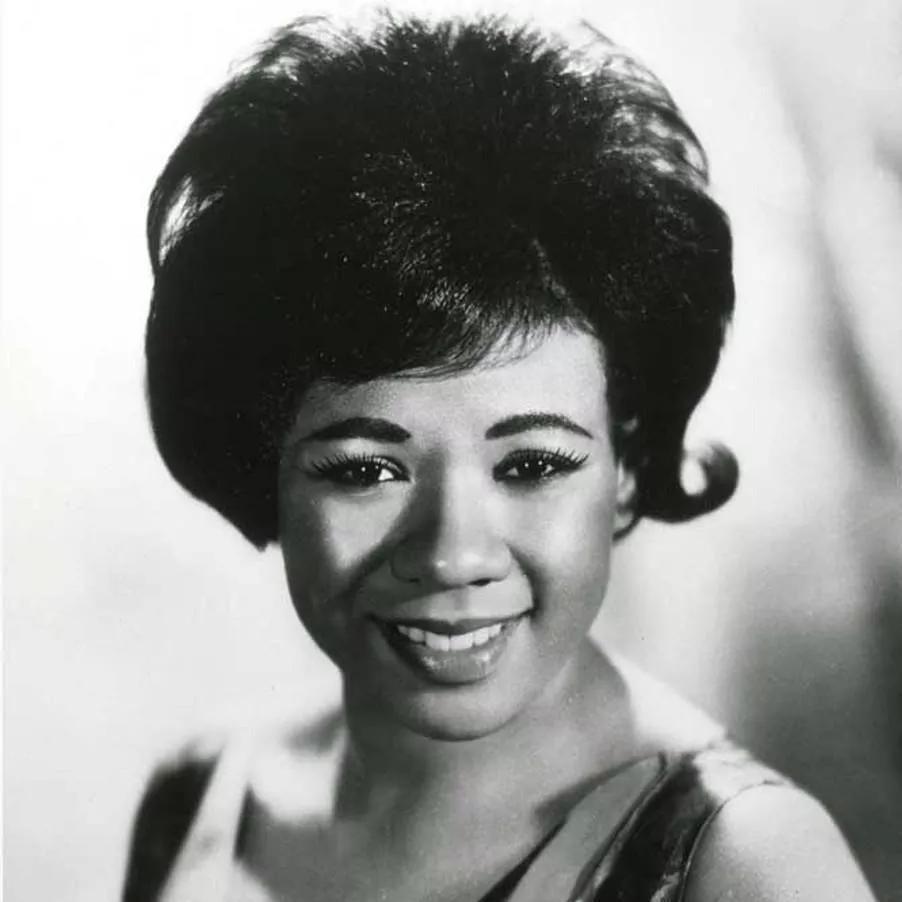
Doris Troy’s Spotify BioSurely one of the most talented one-hit wonders of the rock era, Doris Troy hit the Top Ten with "Just One Look" in 1963, but also recorded many other fine pop-soul sides for Atlantic between 1963 and 1965. Unlike many soul performers of the time, Troy wrote most of her own material (under the pseudonym Payne), and had already written for other artists and sung backup with Dionne and Dee Dee Warwick and Cissy Houston on New York soul records before striking out on her own. More melodically ambitious and stylistically eclectic than many of her peers, her Atlantic sides blend elements of gospel, girl group, blues, and pop into a rich New York soul sound. Troy never reached the charts again after "Just One Look," but was more appreciated in England, where she toured occasionally and where the Hollies covered her "What'cha Gonna Do About It" on their first album. Moving to Britain, she recorded an album for Apple in 1970 with assistance from George Harrison and Billy Preston. In the early… '70s, she sang backup vocals for British rock groups, most notably the Rolling Stones and Pink Floyd, in addition to recording a couple more albums. In the '80s she starred in Mama I Want to Sing, a musical based on her life story. The musical became a touring success, one which Troy remained involved with until 1998. She continued to perform in Las Vegas until her death from emphysema on February 17, 2004. ~ Richie Unterberger, Rovi
Viberate is a music analytics platform built for A&Rs, artist managers, labels, booking agents, marketers, and artists.
It helps music professionals track artist growth, analyze audience data, monitor playlist activity, compare artists, follow song performance, and identify opportunities across the music market.
Public artist pages provide a free preview of selected artist data. Paid plans provide access to deeper analytics, historical data, charts, comparisons, playlist tools, exports, alerts, reports, and additional professional features.
Yes. Public Viberate artist pages provide selected artist analytics and music data for free.
Viberate also offers a 7-day free trial of the full platform. A credit card is required to start the trial. The trial includes access to the complete product so users can test deeper artist analytics, historical views, playlist insights, comparisons, charts, exports, alerts, and reporting features before choosing a paid plan.
Viberate provides artist analytics across streaming, playlists, social media, video, radio airplay, songs, and audience markets.
Users can analyze Spotify performance, Spotify and Apple Music playlists, YouTube activity, TikTok and Instagram growth, radio spins, song performance, audience locations, demographics, rankings, and overall artist momentum.
Artist profiles also connect to music charts, similar artists, and comparison tools, helping users benchmark performance and evaluate artists in context.
Viberate updates key artist and track data daily.
For followed artists and tracks, selected data is refreshed multiple times per day. This helps teams monitor playlist changes, streaming movement, audience growth, releases, and campaign performance with more current data.
Update frequency can vary depending on the metric and data source.
Yes. Viberate lets users compare up to five artists side by side across streaming, social media, audience, and engagement metrics.
Users can compare fanbase growth, audience demographics, locations, Spotify performance, social metrics, and other artist data over selected time periods.
Artist comparison can be used for A&R scouting, benchmarking, booking decisions, campaign planning, and evaluating artists with similar audiences or market positions.