Dmitri Hvorostovsky

Classical
Opera
 Viberate Rank: 90018
 Viberate Rank: 90018
 Monthly ListenersFollowers
 Subscribers
 Followers
 Followers
 FansTop Spotify SongsTop YouTube Videos
| Video | 7-Day Views | |
|---|---|---|
1 | 6.89K | |
2 | 1.91K | |
3 | 1.59K | |
4 | 1.35K | |
5 | 1.33K |
Monthly ListenersFeatured in Playlists| Playlist | Followers | |
|---|---|---|
1 |  Classical Bangers 🎹🎻 Classical Bangers | 1.25M |
2 |  Lo MEJOR de la MUSICA CLASICA 🎹 🔱 THEOCIDE STUDIOS 🔱 | 100.67K |
3 | OPERAS FAMOSAS ❤️ bananaboba | 94.39K |
4 |  vintage soviet music ☭ armitta⋆˚࿔ | 82.91K |
5 |  Gregorian Chants & Hymns for Sleep, Study & Solitude Joseph Santiago | 82.75K |
Audience| City | Monthly Listeners | |
|---|---|---|
1 |  | 3.17K |
2 |  | 2.41K |
3 |  | 2.34K |
4 |  | 1.37K |
5 | | 1.32K |
See full performance history, audience data, playlist activity, rankings, comparisons, and more in Viberate music analytics. Start with a free trial, then continue with a paid plan.
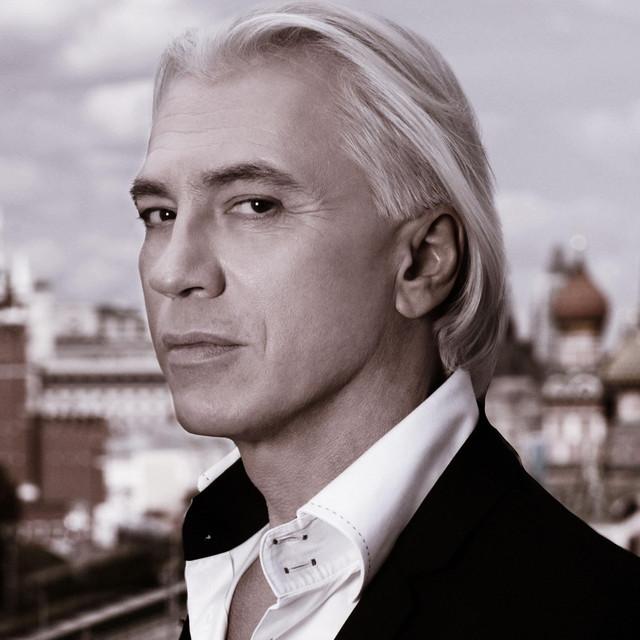
Dmitri Hvorostovsky’s Spotify BioKnown for captivating song recitals, lyrical performances of Verdi baritone roles, and, not least of all, his striking silver hair, Dmitri Hvorostovsky enjoyed an A-list career beginning in the early 1990s. His brilliant, yet deceptively dark-hued voice was the embodiment of chiaroscuro, and the combination of vocal polish and emotion that he brought to his performances made him an audience favorite.
Having grown up, studied, and debuted (as Marullo in Rigoletto) in his hometown of Krasnoyarsk, he took top honors at the 1987 Glinka National Competition, the 1988 Toulouse Singing Competition, and then the 1989 Cardiff Singer of the World competition. The last of these, in which he edged out both the meteoric Bryn Terfel and Monica Groop for the win, launched him into the spotlight and led to his western operatic debut, as Yeletsky in Tchaikovsky's The Queen of Spades in Nice. The next several years brought debut recitals in London and New York, his Italian debut as Eugene Onegin at the… famous La Fenice, and engagements at Covent Garden, the Metropolitan Opera, the Chicago Lyric Opera, and the Berlin State Opera. His first solo recording contract, with Philips, began in the early 1990s, as well; the artistic and commercial success of his first several CDs, and the explosion of his operatic and concert schedule around the world, sent his career into high gear.
Although he was closely identified with the roles of Eugene Onegin and Yeletsky (The Queen of Spades), Hvorostovsky's operatic repertory was centered on Italian works more so than Russian; in the early 2000s, he began to explore new Russian territory, like Prokofiev's War and Peace, but in general he felt Russian roles called for a gruffer, less lyrical voice than his. He is known best for his performances as the elder Germont in La Traviata, Posa in Don Carlos, Don Giovanni, and Rossini's Figaro. However, as a recitalist, Hvorostovsky was always intensely focused on Russian song, making moody, dramatic works of Rachmaninov, Tchaikovsky, Rimsky-Korsakov, Glinka, and Mussorgsky the centerpieces of his performances. With his longtime collaborator Mikhail Arkadiev at the piano, Hvorostovsky established himself as one of the finest singers of that repertory anywhere in the world. The special nature of that collaboration was honored by Russian composer Georgy Sviridov in 1995, when he dedicated his vocal poem Petersburg to Hvorostovsky and Arkadiev; the two remained champions of his music. In the early 21st century, Hvorostovsky devoted himself more and more to Verdi roles. Hvorostovsky died from brain cancer at the age of 55.
Viberate is a music analytics platform built for A&Rs, artist managers, labels, booking agents, marketers, and artists.
It helps music professionals track artist growth, analyze audience data, monitor playlist activity, compare artists, follow song performance, and identify opportunities across the music market.
Public artist pages provide a free preview of selected artist data. Paid plans provide access to deeper analytics, historical data, charts, comparisons, playlist tools, exports, alerts, reports, and additional professional features.
Yes. Public Viberate artist pages provide selected artist analytics and music data for free.
Viberate also offers a 7-day free trial of the full platform. A credit card is required to start the trial. The trial includes access to the complete product so users can test deeper artist analytics, historical views, playlist insights, comparisons, charts, exports, alerts, and reporting features before choosing a paid plan.
Viberate provides artist analytics across streaming, playlists, social media, video, radio airplay, songs, and audience markets.
Users can analyze Spotify performance, Spotify and Apple Music playlists, YouTube activity, TikTok and Instagram growth, radio spins, song performance, audience locations, demographics, rankings, and overall artist momentum.
Artist profiles also connect to music charts, similar artists, and comparison tools, helping users benchmark performance and evaluate artists in context.
Viberate updates key artist and track data daily.
For followed artists and tracks, selected data is refreshed multiple times per day. This helps teams monitor playlist changes, streaming movement, audience growth, releases, and campaign performance with more current data.
Update frequency can vary depending on the metric and data source.
Yes. Viberate lets users compare up to five artists side by side across streaming, social media, audience, and engagement metrics.
Users can compare fanbase growth, audience demographics, locations, Spotify performance, social metrics, and other artist data over selected time periods.
Artist comparison can be used for A&R scouting, benchmarking, booking decisions, campaign planning, and evaluating artists with similar audiences or market positions.