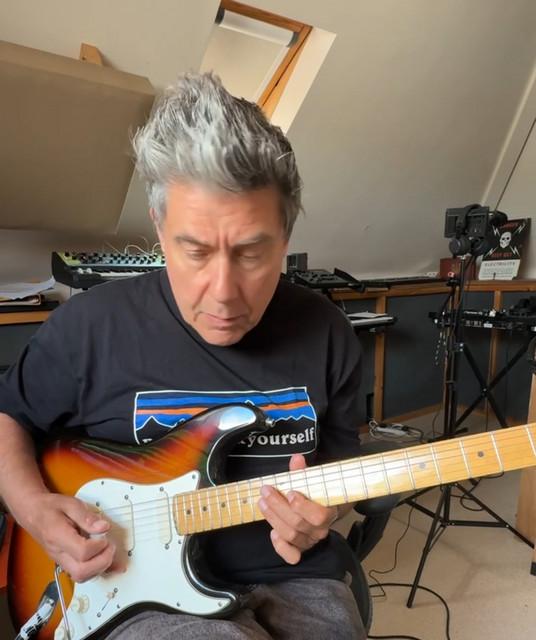
DJ Marky

Electronic
Drum & Bass
 Viberate Rank: 41172
 Viberate Rank: 41172
 Monthly ListenersFollowers
 Subscribers
 Followers
 Followers
 FansTop Spotify Songs
| Track | 7-Day Streams | |
|---|---|---|
1 | 80.16K | |
2 | 13.93K | |
3 | 10.62K | |
4 | 8.70K | |
5 | 6.41K |
Top YouTube VideosMonthly ListenersFeatured in Playlists| Playlist | Followers | |
|---|---|---|
1 |  Drum and Bass Top 100 UKF | 429.06K |
2 |  Liquid Drum and Bass UKF | 265.31K |
3 |  FIFA 15 Soundtrack EA SPORTS FC | 183.23K |
4 |  UKF Drum and Bass UKF | 130.95K |
5 |  Drum & Bass Top Tracks Playlistic | 128.15K |
Audience| City | Monthly Listeners | |
|---|---|---|
1 |  | 27.33K |
2 | | 10.33K |
3 | | 7.86K |
4 |  | 7.73K |
5 | | 6.15K |
See full performance history, audience data, playlist activity, rankings, comparisons, and more in Viberate music analytics. Start with a free trial, then continue with a paid plan.
DJ Marky’s Spotify BioIn a career that spans over two decades, DJ Marky has gone from an avid record collector and music enthusiast in his native Brazil to an internationally revered DJ and producer, label-head of his own Innerground Records, and owner of the event series DJ Marky & Friends.
Not only is DJ Marky one of the most charismatic live DJs, but his instinctive nature behind the decks has seen him become widely regarded as one of the finest selectors in the business. Alongside his ventures as a DJ, Marky has released iconic tracks and albums - firmly establishing himself as one of the most characteristic and energetic mainstays in the drum and bass scene.
Hailing from São Paulo, Brazil, DJ Marky's life changed when he was playing at a São Paulo nightclub in 1998 and was spotted by Brian D. After enduring a lack of audiences in Brazil, he gained success in the English scene, playing monthly at Bar Rumba in Piccadilly Circus and mixing music live for radio. In 1999, English critics deemed him the… "revelation of the year."
DJ Marky has just released his 'The Time Is Right' album, an immaculate 175BPM-fuelled offering that celebrates one of the scene's most passionate, charismatic, and loved mainstays of the past two decades.
Viberate is a music analytics platform built for A&Rs, artist managers, labels, booking agents, marketers, and artists.
It helps music professionals track artist growth, analyze audience data, monitor playlist activity, compare artists, follow song performance, and identify opportunities across the music market.
Public artist pages provide a free preview of selected artist data. Paid plans provide access to deeper analytics, historical data, charts, comparisons, playlist tools, exports, alerts, reports, and additional professional features.
Yes. Public Viberate artist pages provide selected artist analytics and music data for free.
Viberate also offers a 7-day free trial of the full platform. A credit card is required to start the trial. The trial includes access to the complete product so users can test deeper artist analytics, historical views, playlist insights, comparisons, charts, exports, alerts, and reporting features before choosing a paid plan.
Viberate provides artist analytics across streaming, playlists, social media, video, radio airplay, songs, and audience markets.
Users can analyze Spotify performance, Spotify and Apple Music playlists, YouTube activity, TikTok and Instagram growth, radio spins, song performance, audience locations, demographics, rankings, and overall artist momentum.
Artist profiles also connect to music charts, similar artists, and comparison tools, helping users benchmark performance and evaluate artists in context.
Viberate updates key artist and track data daily.
For followed artists and tracks, selected data is refreshed multiple times per day. This helps teams monitor playlist changes, streaming movement, audience growth, releases, and campaign performance with more current data.
Update frequency can vary depending on the metric and data source.
Yes. Viberate lets users compare up to five artists side by side across streaming, social media, audience, and engagement metrics.
Users can compare fanbase growth, audience demographics, locations, Spotify performance, social metrics, and other artist data over selected time periods.
Artist comparison can be used for A&R scouting, benchmarking, booking decisions, campaign planning, and evaluating artists with similar audiences or market positions.