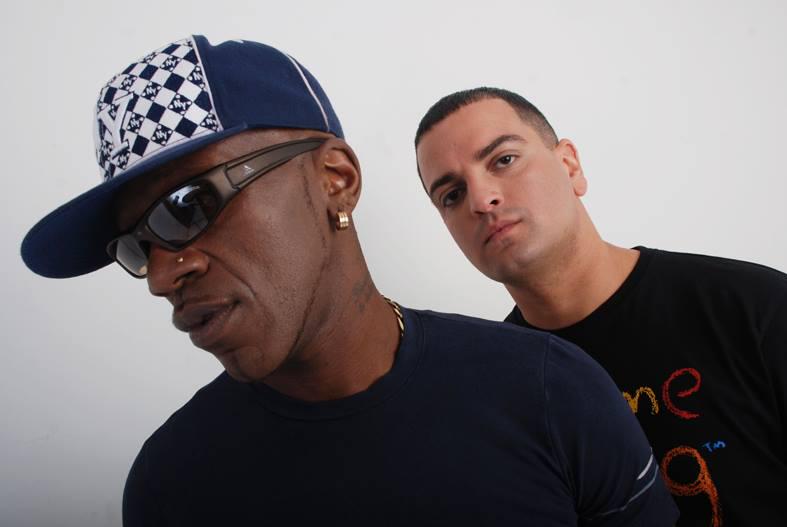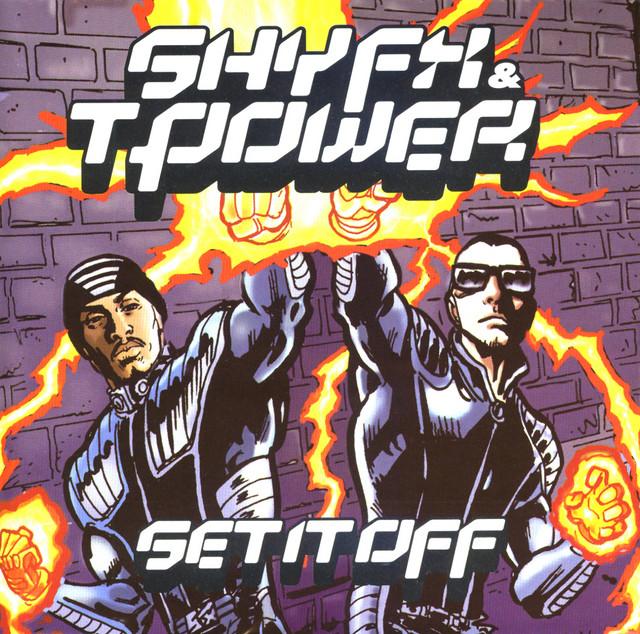
T Power

Electronic
Drum & Bass
Other Electronic Music
 Viberate Rank: 107383
 Viberate Rank: 107383
 Monthly ListenersFollowers
 Subscribers
 Followers
 Followers
 FansTop Spotify Songs
| Track | 7-Day Streams | |
|---|---|---|
1 | 70.83K | |
2 | 60.40K | |
3 | 30.71K | |
4 | 22.40K | |
5 | 15.61K |
Top YouTube VideosMonthly ListenersFeatured in Playlists| Playlist | Followers | |
|---|---|---|
1 |  Black Britain: Windrush Generation Spotify | 160.17K |
2 | EAFC & FIFA Soundtracks 94-27 Ross Hyland | 81.30K |
3 |  Drum & Bass Classics 90s (1995-2006) - Jungle Classics 90s oppositemarco | 79.15K |
4 |  KISSTORY | Old Skool & Anthems KISS FM axertsa | 75.44K |
5 |  🇬🇧 UK GARAGE BANGERS 🇬🇧 Jamie Cairney | 69.55K |
Audience| City | Monthly Listeners | |
|---|---|---|
1 | | 42.59K |
2 | | 14.55K |
3 | | 12.05K |
4 | | 6.55K |
5 |  | 5.78K |
See full performance history, audience data, playlist activity, rankings, comparisons, and more in Viberate music analytics. Start with a free trial, then continue with a paid plan.
T Power’s Spotify BioTPower's Mark Royal first came to prominence working with hardcore techno group Bass Selective, whose 1991 hit "Blow Out Part II" was an influential proto-jungle track. He's since risen to new acclaim as a solo artist with TPower's experimental blend of lush ambience and often over-the-top rhythmic complexity. His 12-inch "Horny Mutant Jazz," as well as the follow-up full-length The Self-Evident Truth of an Intuitive Mind (both for the Sound of the Underground label) are widely considered early masterpieces of ambient-jungle, and did much conceptual trailblazing where jungle's absorption of jazz and other more measured, relaxed compositional elements are concerned. Although subsequent work has strayed from jungle's rhythmic syncopation into more traditional techno and even entirely beatless ambient, drum'n'bass remains the core element of much of TPower's music. Royal's roots are, not surprisingly, in hip-hop, in which he immersed himself during it's U.K. heyday in the early to… mid-'80s. Burning out on hip-hop early, Royal's affection for breaks and hard-hitting rhythms followed him into his explorations of the music of David Sylvian, Ryuichi Sakamoto, and Pat Metheny, and those two components -- complex breaks and a keen sense of melody -- inform much of his solo work to the present day. ~ Sean Cooper, Rovi
Viberate is a music analytics platform built for A&Rs, artist managers, labels, booking agents, marketers, and artists.
It helps music professionals track artist growth, analyze audience data, monitor playlist activity, compare artists, follow song performance, and identify opportunities across the music market.
Public artist pages provide a free preview of selected artist data. Paid plans provide access to deeper analytics, historical data, charts, comparisons, playlist tools, exports, alerts, reports, and additional professional features.
Yes. Public Viberate artist pages provide selected artist analytics and music data for free.
Viberate also offers a 7-day free trial of the full platform. A credit card is required to start the trial. The trial includes access to the complete product so users can test deeper artist analytics, historical views, playlist insights, comparisons, charts, exports, alerts, and reporting features before choosing a paid plan.
Viberate provides artist analytics across streaming, playlists, social media, video, radio airplay, songs, and audience markets.
Users can analyze Spotify performance, Spotify and Apple Music playlists, YouTube activity, TikTok and Instagram growth, radio spins, song performance, audience locations, demographics, rankings, and overall artist momentum.
Artist profiles also connect to music charts, similar artists, and comparison tools, helping users benchmark performance and evaluate artists in context.
Viberate updates key artist and track data daily.
For followed artists and tracks, selected data is refreshed multiple times per day. This helps teams monitor playlist changes, streaming movement, audience growth, releases, and campaign performance with more current data.
Update frequency can vary depending on the metric and data source.
Yes. Viberate lets users compare up to five artists side by side across streaming, social media, audience, and engagement metrics.
Users can compare fanbase growth, audience demographics, locations, Spotify performance, social metrics, and other artist data over selected time periods.
Artist comparison can be used for A&R scouting, benchmarking, booking decisions, campaign planning, and evaluating artists with similar audiences or market positions.