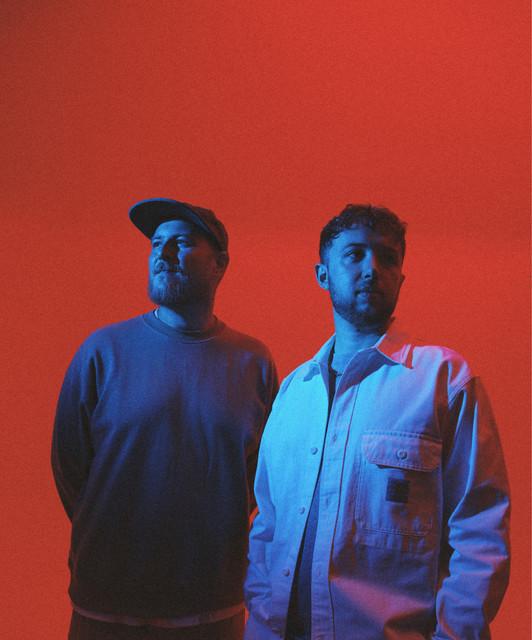
High Contrast

Electronic
Drum & Bass
 Viberate Rank: 22171
 Viberate Rank: 22171
 Monthly ListenersFollowers
 Subscribers
 Followers
 Followers
 FansTop Spotify Songs
| Track | 7-Day Streams | |
|---|---|---|
1 | 115.46K | |
2 | 76.14K | |
3 | 52.52K | |
4 | 45.66K | |
5 | 38.40K |
Top YouTube Videos| Video | 7-Day Views | |
|---|---|---|
1 | 17.59K | |
2 | 8.29K | |
3 | 1.38K | |
4 | 996 | |
5 | 815 |
Monthly ListenersFeatured in Playlists| Playlist | Followers | |
|---|---|---|
1 |  This Is Adele Spotify | 3.47M |
2 |  Run 'N' Bass Spotify | 710.44K |
3 |  Drum and Bass 2026 Discover Records | 315.39K |
4 |  Liquid Drum and Bass UKF | 265.31K |
5 |  DnB 2026 | Best Drum & Bass Bangers Discover DnB | 176.85K |
Audience| City | Monthly Listeners | |
|---|---|---|
1 | | 89.31K |
2 | | 33.28K |
3 |  | 32.98K |
4 |  | 26.52K |
5 | | 23.39K |
See full performance history, audience data, playlist activity, rankings, comparisons, and more in Viberate music analytics. Start with a free trial, then continue with a paid plan.
High Contrast’s Spotify BioLincoln Barrett aka High Contrast is an electronic musician, producer, DJ, Grammy nominee and remixer for everyone from White Stripes to Kanye West, Coldplay to Calvin Harris. The Welsh-born bespectacled polymath has been a key player on the drum’n’bass scene for many years but as long ago as 2012 proved himself to be a musician with a wider ambit when he curated music for the Olympic opening ceremony. He is the master of melodic, melancholic jungle: hardcore with a harmonic core. He has been issuing records for nearly two decades, with early 00s d’n’b crossover successes including Racing Green, The Basement Track and Return of Forever and more recent, and increasingly expansive, singles such as Shotgun Mouthwash, The Beat Don’t Feel The Same and Going Up.Notes From The Underground finds Lincoln hermetically ensconced in his Cardiff home studio, using old samplers from the 90s – variously, the Roland W-30 sampler used by the early Prodigy, the Boss SP-303 which was prevalent during 90s… hip hop, and classic jungle sampler AKAI S950, which allows you to time-stretch, a key attribute of the genre – “I’m always ‘sampling’ titles and putting them into new contexts,” he says of past LP titles High Society (2004), Tough Guys Don’t Dance (2007) and The Agony & The Ecstasy (2012). “Jungle is thought of as underground music, so I felt this title was fitting. It’s me going back to my jungle and hardcore roots.”
Viberate is a music analytics platform built for A&Rs, artist managers, labels, booking agents, marketers, and artists.
It helps music professionals track artist growth, analyze audience data, monitor playlist activity, compare artists, follow song performance, and identify opportunities across the music market.
Public artist pages provide a free preview of selected artist data. Paid plans provide access to deeper analytics, historical data, charts, comparisons, playlist tools, exports, alerts, reports, and additional professional features.
Yes. Public Viberate artist pages provide selected artist analytics and music data for free.
Viberate also offers a 7-day free trial of the full platform. A credit card is required to start the trial. The trial includes access to the complete product so users can test deeper artist analytics, historical views, playlist insights, comparisons, charts, exports, alerts, and reporting features before choosing a paid plan.
Viberate provides artist analytics across streaming, playlists, social media, video, radio airplay, songs, and audience markets.
Users can analyze Spotify performance, Spotify and Apple Music playlists, YouTube activity, TikTok and Instagram growth, radio spins, song performance, audience locations, demographics, rankings, and overall artist momentum.
Artist profiles also connect to music charts, similar artists, and comparison tools, helping users benchmark performance and evaluate artists in context.
Viberate updates key artist and track data daily.
For followed artists and tracks, selected data is refreshed multiple times per day. This helps teams monitor playlist changes, streaming movement, audience growth, releases, and campaign performance with more current data.
Update frequency can vary depending on the metric and data source.
Yes. Viberate lets users compare up to five artists side by side across streaming, social media, audience, and engagement metrics.
Users can compare fanbase growth, audience demographics, locations, Spotify performance, social metrics, and other artist data over selected time periods.
Artist comparison can be used for A&R scouting, benchmarking, booking decisions, campaign planning, and evaluating artists with similar audiences or market positions.