Dirty Three

Rock
Progressive Rock
Post Rock
 Viberate Rank: 117778
 Viberate Rank: 117778
 Monthly ListenersFollowers
 Subscribers
 Followers
 Followers
 FansTop Spotify Songs
| Track | 7-Day Streams | |
|---|---|---|
1 | 3.38K | |
2 | 2.40K | |
3 | 2.14K | |
4 | 1.90K | |
5 | 1.74K |
Top YouTube VideosMonthly ListenersFeatured in Playlists| Playlist | Followers | |
|---|---|---|
1 |  Nachtdieren BNNVARA | 36.60K |
2 |  Social Distancing Distortion Matt Berninger | 35.86K |
3 |  Cillian Murphy’s Music Mixtape V1 BBC 6 2019 (volumes 1-16) Bia ✨ | 32.74K |
4 |  Bee Movie Justas Janušauskas | 28.31K |
5 |  The Young Pope - Soundtrack Federico De Palma | 23.34K |
Audience| City | Monthly Listeners | |
|---|---|---|
1 | | 1.61K |
2 | | 1.16K |
3 |  | 1.12K |
4 |  | 607 |
5 | | 501 |
See full performance history, audience data, playlist activity, rankings, comparisons, and more in Viberate music analytics. Start with a free trial, then continue with a paid plan.
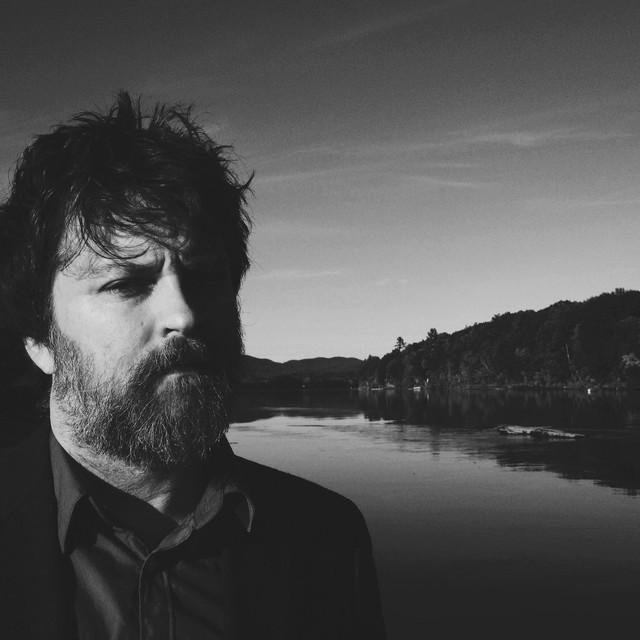
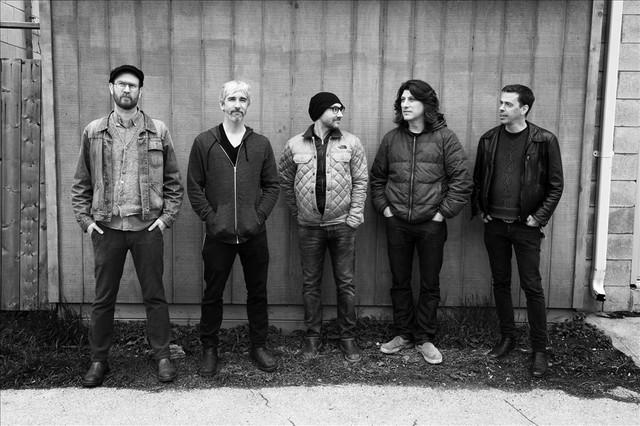
Dirty Three’s Spotify BioSince forming in the early '90s, Melbourne, Australia trio Dirty Three have created a form of emotionally charged, pictorially evocative instrumental music that's unique to their specific instrumentation and group chemistry. Somewhere between improvisation and composition, Dirty Three uses primarily violin, electric guitar, and spare drum kit to make melancholic but inspiring pieces that reflect the silent majesty of nature, as well as the deepest depths of the human experience. The band was regularly active throughout the '90s, touring often and recording master works like 1996's Horse Stories and its 1998 follow up Ocean Songs. After the 2000s, they slowed somewhat, releasing new music at increasingly longer intervals, but still re-forming to make albums like 2005's Cinder, 2012's Toward the Low Sun, and 2024's Love Changes Everything.
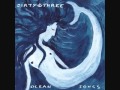
Dirty Three formed in Melbourne, Australia in 1992, led by classically trained violinist Warren Ellis, who began writing and performing music for art… openings and plays and also spent time playing with groups like Blackeyed Susans, Paranoid, and the Nursing Mothers. After enlisting Blackeyed Susans guitarist Mick Turner and drummer Jim White -- veterans of Melbourne bands including the Sick Things, the Moodists, Fungus Brain, and Venom P. Stinger -- Ellis formed Dirty Three; at the group's debut performance, he used a rubber band to attach a guitar pickup to his violin, giving the instrument a distorted, feedback-drenched feel far removed from its original sound. Recorded as a demo, the trio's debut Sad & Dangerous appeared in 1994; subsequent tours in support of Pavement, Sonic Youth, and John Cale helped win Dirty Three a deal with the Touch & Go label, which issued a 1995 eponymous effort and 1996's acclaimed Horse Stories. In 1998, Dirty Three resurfaced with the aquatically themed Ocean Songs. Their next set, Whatever You Love, You Are, followed two years later.
Celebrating their tenth anniversary, Dirty Three headed back into the studio. Initially, the trio had recorded songs for a follow-up to Whatever You Love, You Are in early 2001; however, the songs were scrapped. White went on to tour with Smog and Will Oldham. Turner founded his own label, King Crab Records, and worked with Marquis de Tren. Ellis joined his fellow mates Nick Cave & the Bad Seeds for a monumental world tour in spring 2002. Somewhere amidst all this activity, Dirty Three reconvened with producer Fabrice Laureau, chief of Prohibited Records, who recorded part of the soundtrack to Amelie. Together, he and Dirty Three arrived with the enigmatic, dark album She Has No Strings Apollo in February 2003. Cinder, which features appearances by Cat Power's Chan Marshall and Sally Timms from the Mekons, followed two years later.
Following the release of Cinder, all three bandmembers concentrated on various solo projects for the next six years. White moved to Brooklyn from Chicago; he recorded and toured with PJ Harvey, Nina Nastasia, Marshall, and Bonnie "Prince" Billy. Ellis joined the Bad Seeds full-time and was a member of a Bad Seeds off-shoot band, the short-lived Grinderman. He also became Nick Cave's film-scoring partner. Turner issued a solo album and focused on his career as a successful visual artist. Dirty Three secretly began working on another album in 2011 and emerged with Toward the Low Sun, their debut for Drag City, in early 2012. At this point the band's studio collaborations happened less and less often, but they emerged in 2024 with Love Changes Everything, their first album in a decade. In addition to their standard instrumentation of guitar, drums, and violin, the album included moments of experimentation with synthesizers, loops, piano, and other ambient textures. ~ Jason Ankeny & Thom Jurek, Rovi
Viberate is a music analytics platform built for A&Rs, artist managers, labels, booking agents, marketers, and artists.
It helps music professionals track artist growth, analyze audience data, monitor playlist activity, compare artists, follow song performance, and identify opportunities across the music market.
Public artist pages provide a free preview of selected artist data. Paid plans provide access to deeper analytics, historical data, charts, comparisons, playlist tools, exports, alerts, reports, and additional professional features.
Yes. Public Viberate artist pages provide selected artist analytics and music data for free.
Viberate also offers a 7-day free trial of the full platform. A credit card is required to start the trial. The trial includes access to the complete product so users can test deeper artist analytics, historical views, playlist insights, comparisons, charts, exports, alerts, and reporting features before choosing a paid plan.
Viberate provides artist analytics across streaming, playlists, social media, video, radio airplay, songs, and audience markets.
Users can analyze Spotify performance, Spotify and Apple Music playlists, YouTube activity, TikTok and Instagram growth, radio spins, song performance, audience locations, demographics, rankings, and overall artist momentum.
Artist profiles also connect to music charts, similar artists, and comparison tools, helping users benchmark performance and evaluate artists in context.
Viberate updates key artist and track data daily.
For followed artists and tracks, selected data is refreshed multiple times per day. This helps teams monitor playlist changes, streaming movement, audience growth, releases, and campaign performance with more current data.
Update frequency can vary depending on the metric and data source.
Yes. Viberate lets users compare up to five artists side by side across streaming, social media, audience, and engagement metrics.
Users can compare fanbase growth, audience demographics, locations, Spotify performance, social metrics, and other artist data over selected time periods.
Artist comparison can be used for A&R scouting, benchmarking, booking decisions, campaign planning, and evaluating artists with similar audiences or market positions.