Do Make Say Think

Rock
Alternative Rock
Post Rock
 Viberate Rank: 121417
 Viberate Rank: 121417
 Monthly ListenersFollowers
 Subscribers
 Followers
 Followers
 FansTop Spotify Songs
| Track | 7-Day Streams | |
|---|---|---|
1 | 2.69K | |
2 | 2.58K | |
3 | 2.14K | |
4 | 1.63K | |
5 | 1.41K |
Top YouTube VideosMonthly ListenersFeatured in Playlists| Playlist | Followers | |
|---|---|---|
1 |  Post-Rock Spotify | 70.37K |
2 | amandaemcee | 69.74K |
3 |  Letterkenny Complete Soundtrack Dana Libhart | 46.91K |
4 | Gothic / Cold wave / Dark wave / New wave / Synth / Post punk / Witch house Anna St Ortiz | 30.10K |
5 |  Post-Rock JT | 25.67K |
Audience| City | Monthly Listeners | |
|---|---|---|
1 |  | 560 |
2 |  | 493 |
3 | | 493 |
4 | | 492 |
5 | | 455 |
See full performance history, audience data, playlist activity, rankings, comparisons, and more in Viberate music analytics. Start with a free trial, then continue with a paid plan.
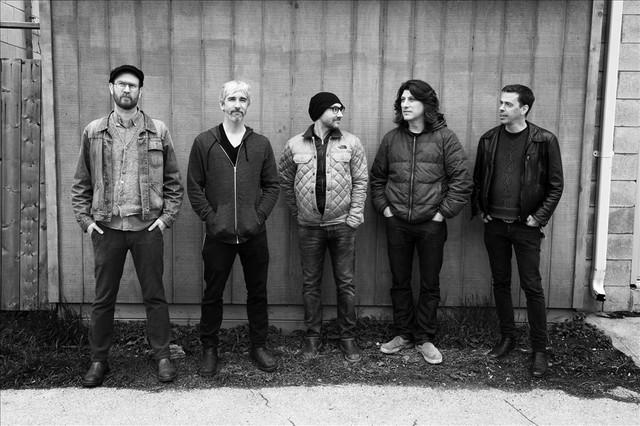
Do Make Say Think’s Spotify BioToronto band Do Make Say Think began as the psychedelic-influenced instrumental improvisations of bassist/trumpeter Charles Spearin, guitarist Justin Small, and drummer James Payment. The band grew to include keyboardist Jason MacKenzie and multi-instrumentalist Ohad Benchetrit, with the final addition of drummer Dave Mitchell in 1998. Do Make Say Think released their self-titled debut on Constellation Records in late 1998, followed by the early 2000 release of Goodbye Enemy Airship the Landlord Is Dead. After promotions for that album subsided, they again buried themselves in the studio until March of 2002, when they unleashed & Yet & Yet on Constellation Records. The band's fourth album, Winter Hymn Country Hymn Secret Hymn, came out a year-and-a-half later. The acclaimed You, You're a History in Rust followed in 2007 and Other Truths in 2009 before the band took a three-year hiatus, reuniting in 2012 to play at Constellation's 15th anniversary celebrations. Their spark rekindled,… they resumed writing, and recorded their seventh album, Stubborn Persistent Illusions, between 2014 and 2016, producing it themselves at their own studio in Toronto. It was released by Constellation in May 2017, just as the band were being rediscovered by a new generation and rightly hailed as influential post-rock pioneers. ~ Joslyn Layne & John D. Buchanan, Rovi
Viberate is a music analytics platform built for A&Rs, artist managers, labels, booking agents, marketers, and artists.
It helps music professionals track artist growth, analyze audience data, monitor playlist activity, compare artists, follow song performance, and identify opportunities across the music market.
Public artist pages provide a free preview of selected artist data. Paid plans provide access to deeper analytics, historical data, charts, comparisons, playlist tools, exports, alerts, reports, and additional professional features.
Yes. Public Viberate artist pages provide selected artist analytics and music data for free.
Viberate also offers a 7-day free trial of the full platform. A credit card is required to start the trial. The trial includes access to the complete product so users can test deeper artist analytics, historical views, playlist insights, comparisons, charts, exports, alerts, and reporting features before choosing a paid plan.
Viberate provides artist analytics across streaming, playlists, social media, video, radio airplay, songs, and audience markets.
Users can analyze Spotify performance, Spotify and Apple Music playlists, YouTube activity, TikTok and Instagram growth, radio spins, song performance, audience locations, demographics, rankings, and overall artist momentum.
Artist profiles also connect to music charts, similar artists, and comparison tools, helping users benchmark performance and evaluate artists in context.
Viberate updates key artist and track data daily.
For followed artists and tracks, selected data is refreshed multiple times per day. This helps teams monitor playlist changes, streaming movement, audience growth, releases, and campaign performance with more current data.
Update frequency can vary depending on the metric and data source.
Yes. Viberate lets users compare up to five artists side by side across streaming, social media, audience, and engagement metrics.
Users can compare fanbase growth, audience demographics, locations, Spotify performance, social metrics, and other artist data over selected time periods.
Artist comparison can be used for A&R scouting, benchmarking, booking decisions, campaign planning, and evaluating artists with similar audiences or market positions.