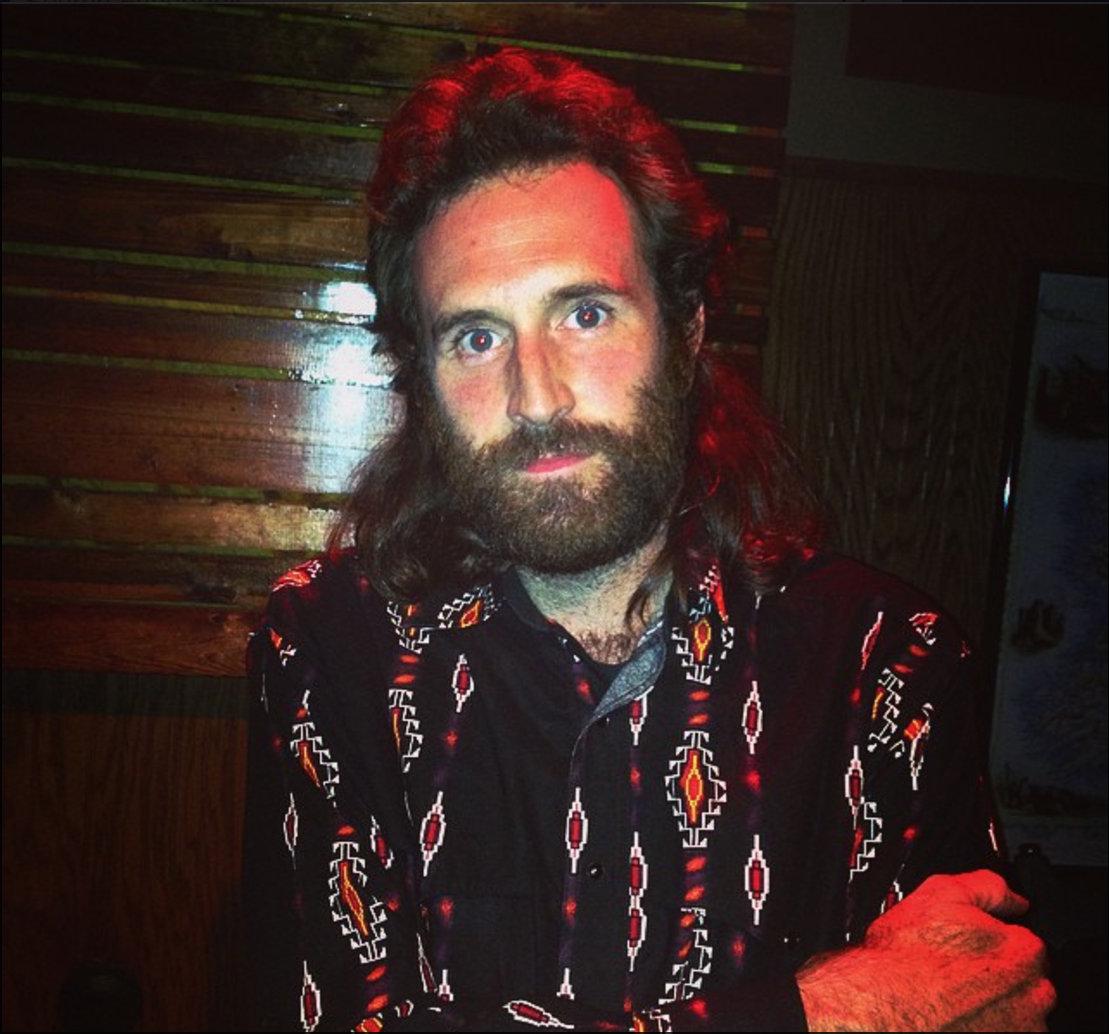
Mick Turner

Rock
Alternative Rock
Punk Rock
 Viberate Rank: 292918
 Viberate Rank: 292918
 Monthly ListenersFollowers
 Subscribers
 Followers
 Followers
 FansTop Spotify Songs
| Track | 7-Day Streams | |
|---|---|---|
1 | 2.69K | |
2 | 917 | |
3 | 602 | |
4 | 600 | |
5 | 579 |
Top YouTube VideosMonthly ListenersFeatured in Playlists| Playlist | Followers | |
|---|---|---|
1 |  Le Guess Who? 2026 leguesswho | 9.14K |
2 |  We're Going on an Adventure Valspire Family | 8.55K |
3 |  nighttime albums margeaux | 6.26K |
4 |  Matador Recommends Matador Records | 4.81K |
5 |  CFCF: The Stuff I Dig CFCF | 4.00K |
Audience| City | Monthly Listeners | |
|---|---|---|
1 | | 628 |
2 | | 439 |
3 |  | 428 |
4 |  | 254 |
5 | | 241 |
See full performance history, audience data, playlist activity, rankings, comparisons, and more in Viberate music analytics. Start with a free trial, then continue with a paid plan.
Mick Turner’s Spotify BioDirty Three guitarist Mick Turner began a solo career in 1997 with the release of Tren Phantasma, a collection of improvised four-track recordings featuring the contemplative guitar style he used with his group the Dirty Three. The following year, Turner and his bandmate Jim White played live as the Tren Brothers, carrying the album's aesthetic into a concert setting with an arsenal of loop pedals and understated percussion. Several of these dates were opening spots for Cat Power, with whom the duo collaborated on the 1998 album Moon Pix. Turner and White also recorded a 7" for Secretly Canadian Records that year, and followed it with 1999's Marlan Rosa, released by Drag City. In summer 2002, Turner released the Seven Angels EP, a limited-edition set issued by Three Lobed Records. Later that year, his third album Moth arrived. In 2005, an extremely limited CD-R live EP, entitled Don't Tell the Driver, was issued by Turner's King Crab label. In 2007, a Tren Brothers rarities collection,… The Blue Trees, appeared. Between that year and 2012 he appeared on records by Clare Bowditch & the Feeding Set and Guy Blackman, as well as on a split 7" between the Tren Brothers and Bridezilla. In 2013, a compilation of his earliest recordings with Jim White in the band Venom P. Stinger was released by Drag City, followed by a brief reunion tour and the release of his next full-length solo effort, Don't Tell the Driver, in November. Though it bore the same title as the 2005 EP, they weren't related in any way. The full-length album had been composed and recorded intermittently between 2009 and 2012 at Big Moth studios in Australia. ~ Heather Phares & Thom Jurek, Rovi
Viberate is a music analytics platform built for A&Rs, artist managers, labels, booking agents, marketers, and artists.
It helps music professionals track artist growth, analyze audience data, monitor playlist activity, compare artists, follow song performance, and identify opportunities across the music market.
Public artist pages provide a free preview of selected artist data. Paid plans provide access to deeper analytics, historical data, charts, comparisons, playlist tools, exports, alerts, reports, and additional professional features.
Yes. Public Viberate artist pages provide selected artist analytics and music data for free.
Viberate also offers a 7-day free trial of the full platform. A credit card is required to start the trial. The trial includes access to the complete product so users can test deeper artist analytics, historical views, playlist insights, comparisons, charts, exports, alerts, and reporting features before choosing a paid plan.
Viberate provides artist analytics across streaming, playlists, social media, video, radio airplay, songs, and audience markets.
Users can analyze Spotify performance, Spotify and Apple Music playlists, YouTube activity, TikTok and Instagram growth, radio spins, song performance, audience locations, demographics, rankings, and overall artist momentum.
Artist profiles also connect to music charts, similar artists, and comparison tools, helping users benchmark performance and evaluate artists in context.
Viberate updates key artist and track data daily.
For followed artists and tracks, selected data is refreshed multiple times per day. This helps teams monitor playlist changes, streaming movement, audience growth, releases, and campaign performance with more current data.
Update frequency can vary depending on the metric and data source.
Yes. Viberate lets users compare up to five artists side by side across streaming, social media, audience, and engagement metrics.
Users can compare fanbase growth, audience demographics, locations, Spotify performance, social metrics, and other artist data over selected time periods.
Artist comparison can be used for A&R scouting, benchmarking, booking decisions, campaign planning, and evaluating artists with similar audiences or market positions.