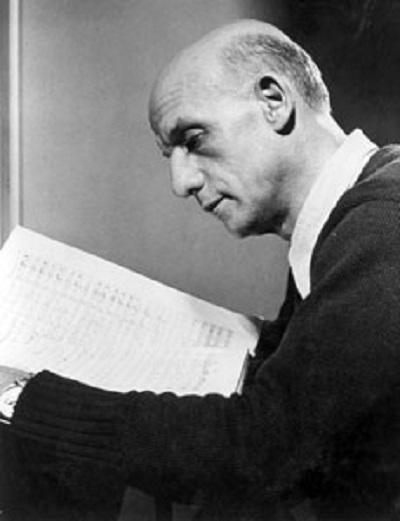
Dimitri Mitropoulos

Classical
Orchestral
Opera
 Viberate Rank: 289494
 Viberate Rank: 289494
 Monthly ListenersFollowers
 Subscribers
 Followers
 Followers
 FansTop Spotify Songs
| Track | 7-Day Streams | |
|---|---|---|
1 | 173 | |
2 | 89 | |
3 | 89 | |
4 | 66 | |
5 | 59 |
Top YouTube VideosMonthly ListenersFeatured in Playlists| Playlist | Followers | |
|---|---|---|
1 |  songs for reading shakespeare fruitcake | 6.96K |
2 | Motivational Study and Work Music David Alfrey | 3.98K |
3 |  Russian Classical zgrader | 2.67K |
4 |  The Best Opera Playlist Ever Emilio José Gómez Rodríguez | 2.10K |
5 | Cavalleria Rusticana: Intermezzo (Raging Bull) mariles21 | 2.08K |
Audience| City | Monthly Listeners | |
|---|---|---|
1 |  | 124 |
2 |  | 122 |
3 |  | 105 |
4 |  | 89 |
5 |  | 87 |
See full performance history, audience data, playlist activity, rankings, comparisons, and more in Viberate music analytics. Start with a free trial, then continue with a paid plan.
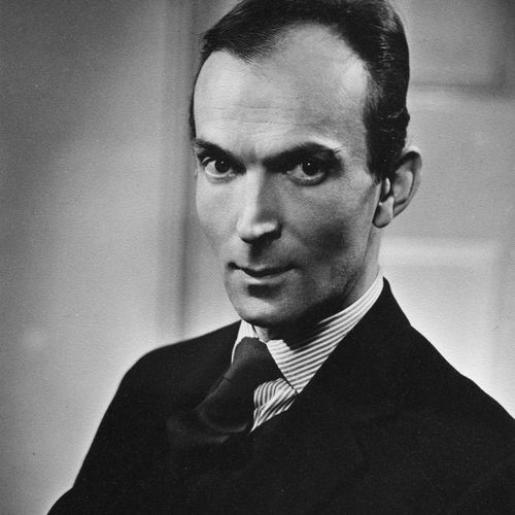
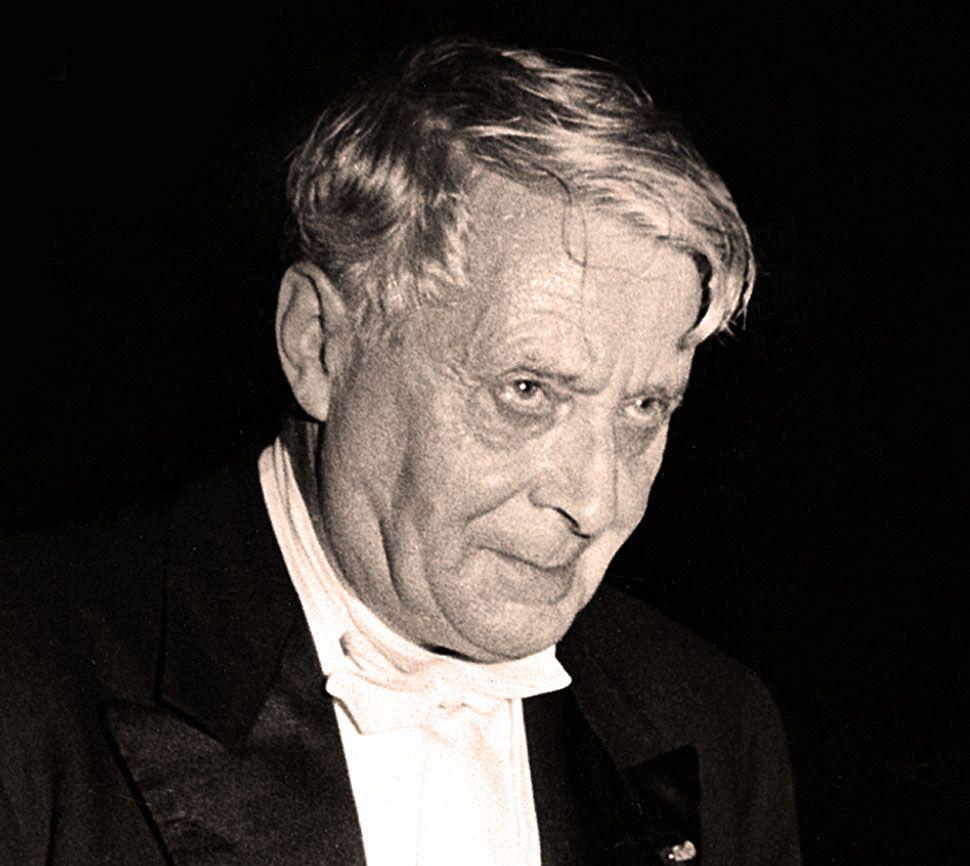
Dimitri Mitropoulos’ Spotify BioConductor Dimitri Mitropoulos stood apart from the European traditions that dominated first-rank American orchestras for much of the twentieth century. After attending the Athens Conservatory, where he studied piano and composition, his opera Béatrice was presented there. The French composer Saint-Saëns was in the audience, and was so impressed that he arranged a scholarship that enabled the 24-year-old to study composition with the Belgian composer Paul Gilson and piano with Busoni in Berlin. Busoni persuaded him to abandon composition and concentrate on becoming a conductor.
From 1921 to 1925, Mitropoulos assisted Erich Kleiber at the Berlin State Opera and on Kleiber's recommendation, was appointed conductor of the Hellenic Conservatory Symphony Orchestra in Athens. In 1927, he became conductor of the Greek State Symphony Orchestra and in 1930 was engaged to conduct the Berlin Philharmonic Orchestra, where he instituted the practice of conducting from the piano.
In 1937 Mitropoulos… succeeded Eugene Ormandy as musical director of the Minneapolis Symphony Orchestra in 1937. He became a U.S. citizen in 1946, and remained in America until 1959. After 12 years in Minneapolis, he was invited to share the conductorship of the New York Philharmonic Orchestra with Stokowski, becoming its conductor when Stokowski resigned in 1950. Mitropoulos resigned the post after sharing the podium with Leonard Bernstein, his co-principal conductor, in the Orchestra's 1958 tour of Latin America. From 1954, he was a dynamic force as Bruno Walter's successor at New York's Metropolitan Opera, where he introduced many new operas, including ones by Richard Strauss and Samuel Barber.
Mitropoulos never conducted his own works, but considered his best composition to be a Concerto Grosso written in 1929. His lived simply and took little part in social activities. His conducting style was passionate, highly-charged and demonstrative; he had a phenomenal memory and rarely used a baton. The American composer and music critic Virgil Thomson once described him as "oversensitive, overweening, over brutal, over intelligent, underconfident and wholly without ease....His personal excitement borders on hysteria and he distorted music with nervous passion." Whether or not this judgement was true, or fair, he programmed much modern music and particularly admired Schoenberg and the Second Viennese School, such as Webern and Berg, as well as twentieth century American and British composers. His recording of Mahler's First Symphony made with the Minneapolis Symphony Orchestra in 1941 was the first ever made in the U.S. of that work, and Mitropoulos was awarded the American Mahler Medal of Honor in 1950 for his work in promoting the composer's music. He died while rehearsing Mahler's Third Symphony with Toscanini's famous La Scala Orchestra.
Viberate is a music analytics platform built for A&Rs, artist managers, labels, booking agents, marketers, and artists.
It helps music professionals track artist growth, analyze audience data, monitor playlist activity, compare artists, follow song performance, and identify opportunities across the music market.
Public artist pages provide a free preview of selected artist data. Paid plans provide access to deeper analytics, historical data, charts, comparisons, playlist tools, exports, alerts, reports, and additional professional features.
Yes. Public Viberate artist pages provide selected artist analytics and music data for free.
Viberate also offers a 7-day free trial of the full platform. A credit card is required to start the trial. The trial includes access to the complete product so users can test deeper artist analytics, historical views, playlist insights, comparisons, charts, exports, alerts, and reporting features before choosing a paid plan.
Viberate provides artist analytics across streaming, playlists, social media, video, radio airplay, songs, and audience markets.
Users can analyze Spotify performance, Spotify and Apple Music playlists, YouTube activity, TikTok and Instagram growth, radio spins, song performance, audience locations, demographics, rankings, and overall artist momentum.
Artist profiles also connect to music charts, similar artists, and comparison tools, helping users benchmark performance and evaluate artists in context.
Viberate updates key artist and track data daily.
For followed artists and tracks, selected data is refreshed multiple times per day. This helps teams monitor playlist changes, streaming movement, audience growth, releases, and campaign performance with more current data.
Update frequency can vary depending on the metric and data source.
Yes. Viberate lets users compare up to five artists side by side across streaming, social media, audience, and engagement metrics.
Users can compare fanbase growth, audience demographics, locations, Spotify performance, social metrics, and other artist data over selected time periods.
Artist comparison can be used for A&R scouting, benchmarking, booking decisions, campaign planning, and evaluating artists with similar audiences or market positions.