Smoke Or Fire

Punk
Punk Rock
Skate Punk
 Viberate Rank: 190880
 Viberate Rank: 190880
 Monthly ListenersFollowers
 Subscribers
 Followers
 Followers
 FansTop Spotify Songs
| Track | 7-Day Streams | |
|---|---|---|
1 | 4.33K | |
2 | 3.85K | |
3 | 3.46K | |
4 | 3.20K | |
5 | 1.91K |
Top YouTube VideosMonthly ListenersFeatured in Playlists| Playlist | Followers | |
|---|---|---|
1 | POPPUNK Kevin McLaughlin | 8.53K |
2 | Fat Wreck Chords dcis2cool | 6.32K |
3 |  Skatepunk, California Punk and Hardcore Doc Verdugo | 5.59K |
4 |  Punk Rock Radio Nick Worthington | 4.83K |
5 | Gaming Thomas Saltvedt | 4.53K |
Audience| City | Monthly Listeners | |
|---|---|---|
1 | | 491 |
2 |  | 467 |
3 | | 370 |
4 |  | 343 |
5 | | 342 |
See full performance history, audience data, playlist activity, rankings, comparisons, and more in Viberate music analytics. Start with a free trial, then continue with a paid plan.
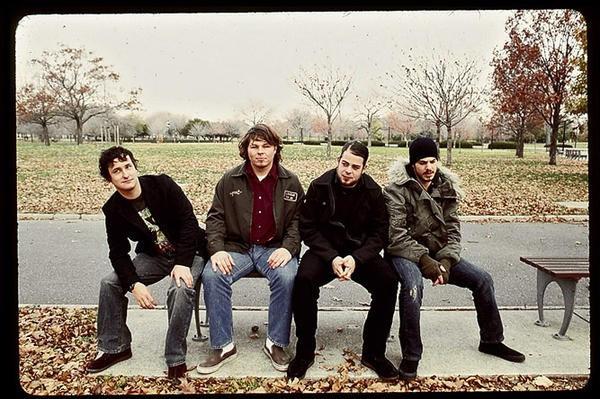
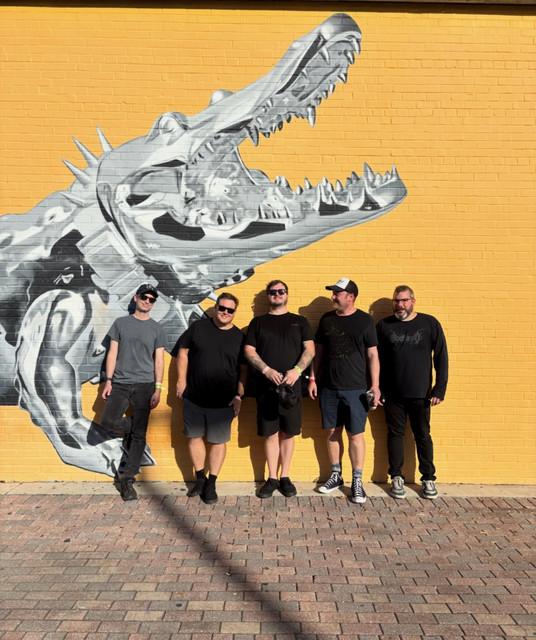
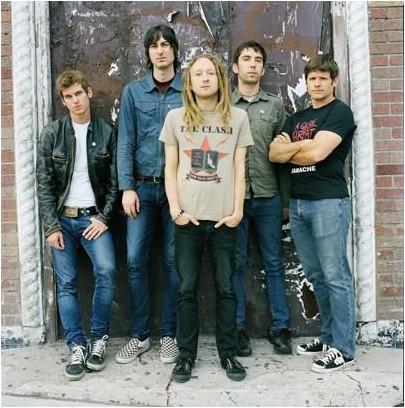
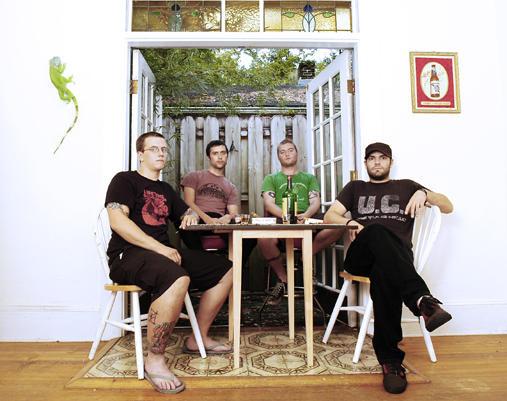
Smoke Or Fire’s Spotify BioSmoke or Fire is an emo-tinged post-hardcore band that occasionally shades into rootsier material along the lines of Wilco or Marah. The band originally formed in Boston in 1998, when western Massachusetts natives Joe McMahan (lead vocals and guitar) and Jeremy Cochran (guitar) met New Hampshire boys Ken Gurley (bass) and Nick Maggiore (drums) as students at Boston University. Originally calling themselves Jericho, the quartet released their debut album, When the Battery Dies, in 2000. Bailing out of the cramped and wicked-expensive city of Boston upon graduation, the quartet resettled in the mellower confines of Richmond, VA, and began work on their second album. When a long inactive Christian rock band from Australia, also called Jericho, complained about the young whippersnappers usurping their name, the boys politely amended it to Jericho RVA for the 2003 EP Worker's Union. Their press kit claims that at this point, the band ran into problems with a hostile band of conservative… Christians over their new name, though it seems just as likely that they recognized its general lameness. Changing their name yet again to Smoke or Fire, the quartet signed to the Fat Wreck Chords label and released 2005's Above the City, produced by label head Fat Mike. After extensive touring in support of Above the City, Maggiore left the band for family reasons. He was replaced by ex-From Ashes Rise drummer David Atchison just prior to the sessions for their third full-length, produced by Chicago indie rock mainstay Matt Allison. The resulting This Sinking Ship appeared in February 2007. ~ Stewart Mason, Rovi
Viberate is a music analytics platform built for A&Rs, artist managers, labels, booking agents, marketers, and artists.
It helps music professionals track artist growth, analyze audience data, monitor playlist activity, compare artists, follow song performance, and identify opportunities across the music market.
Public artist pages provide a free preview of selected artist data. Paid plans provide access to deeper analytics, historical data, charts, comparisons, playlist tools, exports, alerts, reports, and additional professional features.
Yes. Public Viberate artist pages provide selected artist analytics and music data for free.
Viberate also offers a 7-day free trial of the full platform. A credit card is required to start the trial. The trial includes access to the complete product so users can test deeper artist analytics, historical views, playlist insights, comparisons, charts, exports, alerts, and reporting features before choosing a paid plan.
Viberate provides artist analytics across streaming, playlists, social media, video, radio airplay, songs, and audience markets.
Users can analyze Spotify performance, Spotify and Apple Music playlists, YouTube activity, TikTok and Instagram growth, radio spins, song performance, audience locations, demographics, rankings, and overall artist momentum.
Artist profiles also connect to music charts, similar artists, and comparison tools, helping users benchmark performance and evaluate artists in context.
Viberate updates key artist and track data daily.
For followed artists and tracks, selected data is refreshed multiple times per day. This helps teams monitor playlist changes, streaming movement, audience growth, releases, and campaign performance with more current data.
Update frequency can vary depending on the metric and data source.
Yes. Viberate lets users compare up to five artists side by side across streaming, social media, audience, and engagement metrics.
Users can compare fanbase growth, audience demographics, locations, Spotify performance, social metrics, and other artist data over selected time periods.
Artist comparison can be used for A&R scouting, benchmarking, booking decisions, campaign planning, and evaluating artists with similar audiences or market positions.