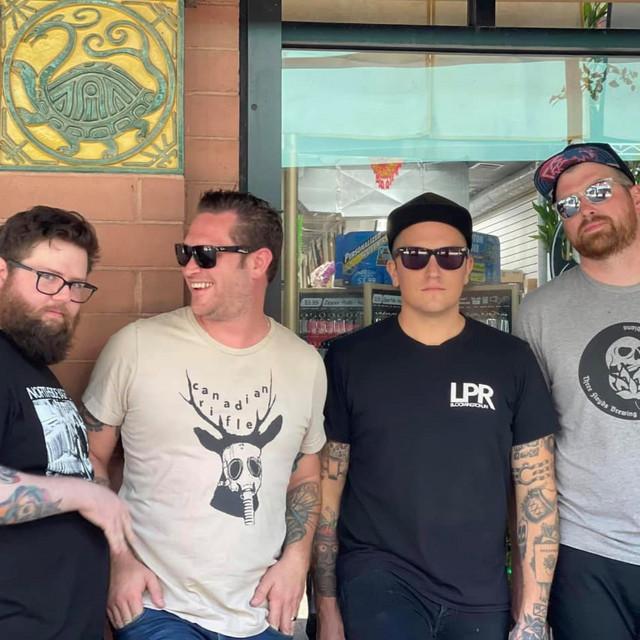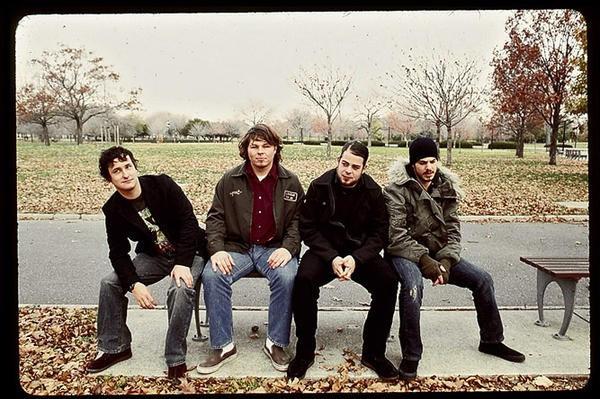
None More Black

Punk
Punk Rock
Hardcore Punk
 Viberate Rank: 247636
 Viberate Rank: 247636
 Monthly ListenersFollowers
 Subscribers
 Followers
 Followers
 FansTop Spotify Songs
| Track | 7-Day Streams | |
|---|---|---|
1 | 2.88K | |
2 | 2.17K | |
3 | 1.77K | |
4 | 1.68K | |
5 | 942 |
Top YouTube VideosMonthly ListenersFeatured in Playlists| Playlist | Followers | |
|---|---|---|
1 | Fat Wreck Chords dcis2cool | 6.32K |
2 |  Punk Rock Radio Nick Worthington | 4.83K |
3 |  Warped Tour 2003 Jeremy Harrison *Maimikuba* | 3.46K |
4 |  #Punkfriday 🔥 Uncle M Music | 2.89K |
5 |  Fat Wreck Chords Jack Bill Miller | 2.81K |
Audience| City | Monthly Listeners | |
|---|---|---|
1 | | 417 |
2 | | 381 |
3 |  | 307 |
4 | | 282 |
5 | | 253 |
See full performance history, audience data, playlist activity, rankings, comparisons, and more in Viberate music analytics. Start with a free trial, then continue with a paid plan.
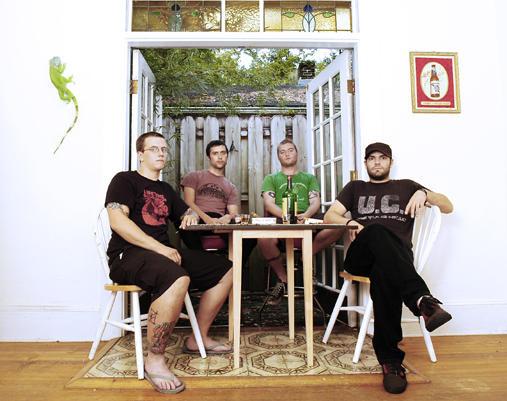
None More Black’s Spotify BioPhiladelphia emo heroes Kid Dynamite were coming off extensive touring and two popular albums when vocalist Jason Shevchuk decided to leave the band and concentrate more fully on film school. Even with Kid Dynamite done, however, he couldn't escape a natural passion for music and soon began writing and playing songs on guitar with his roommate Dan playing bass. And so were the humble beginnings of None More Black in the winter of 2000. To complete the band, Shevchuk's brother Jeff was added on guitar, along with a drummer. Demos soon fell on the ears of Sub Division Records before the band had even played a show, and after replacing their drummer, None More Black put out a three-song 7" in September 2001. Sending new material to labels around the country, the band and its ever-changing lineup eventually signed to California's Fat Wreck Chords. Their full-length debut, File Under Black, was issued in June 2003 with the brothers Shevchuk rounded out by drummer Mike McEvoy and bassist… Paul Delaney (Kill Your Idols); Loud About Loathing followed a year later on Sabot Productions. An invigorating band chemistry was finally realized when Jason Shevchuk and Delaney were completed by guitarist Colin McGinniss and, later, drummer Jared Shavelson (of the Hope Conspiracy). Hooking up with producer J. Robbins (Against Me!, Jawbox), None More Black resurfaced on Fat Wreck with the diverse This Is Satire in spring 2006. Unfortunately, though -- and despite the positive response to Satire -- the band announced an indefinite hiatus in the early months of 2007. ~ Corey Apar, Rovi
Viberate is a music analytics platform built for A&Rs, artist managers, labels, booking agents, marketers, and artists.
It helps music professionals track artist growth, analyze audience data, monitor playlist activity, compare artists, follow song performance, and identify opportunities across the music market.
Public artist pages provide a free preview of selected artist data. Paid plans provide access to deeper analytics, historical data, charts, comparisons, playlist tools, exports, alerts, reports, and additional professional features.
Yes. Public Viberate artist pages provide selected artist analytics and music data for free.
Viberate also offers a 7-day free trial of the full platform. A credit card is required to start the trial. The trial includes access to the complete product so users can test deeper artist analytics, historical views, playlist insights, comparisons, charts, exports, alerts, and reporting features before choosing a paid plan.
Viberate provides artist analytics across streaming, playlists, social media, video, radio airplay, songs, and audience markets.
Users can analyze Spotify performance, Spotify and Apple Music playlists, YouTube activity, TikTok and Instagram growth, radio spins, song performance, audience locations, demographics, rankings, and overall artist momentum.
Artist profiles also connect to music charts, similar artists, and comparison tools, helping users benchmark performance and evaluate artists in context.
Viberate updates key artist and track data daily.
For followed artists and tracks, selected data is refreshed multiple times per day. This helps teams monitor playlist changes, streaming movement, audience growth, releases, and campaign performance with more current data.
Update frequency can vary depending on the metric and data source.
Yes. Viberate lets users compare up to five artists side by side across streaming, social media, audience, and engagement metrics.
Users can compare fanbase growth, audience demographics, locations, Spotify performance, social metrics, and other artist data over selected time periods.
Artist comparison can be used for A&R scouting, benchmarking, booking decisions, campaign planning, and evaluating artists with similar audiences or market positions.