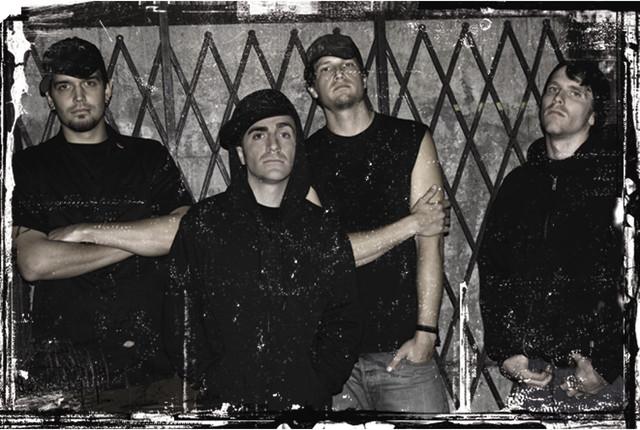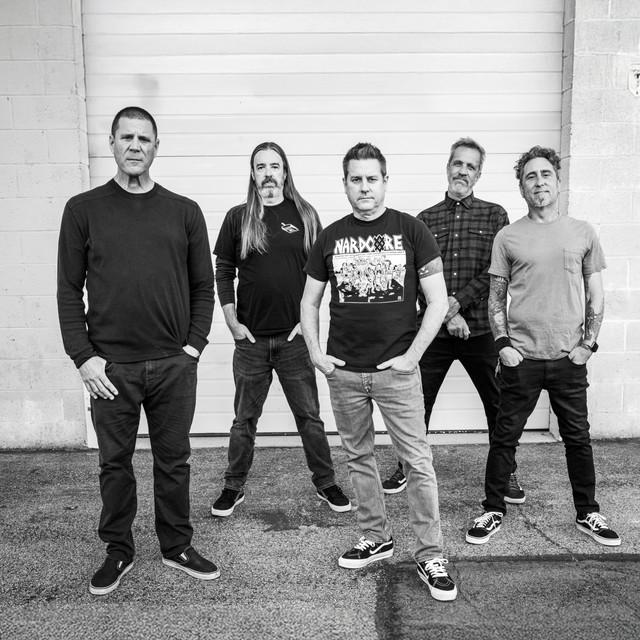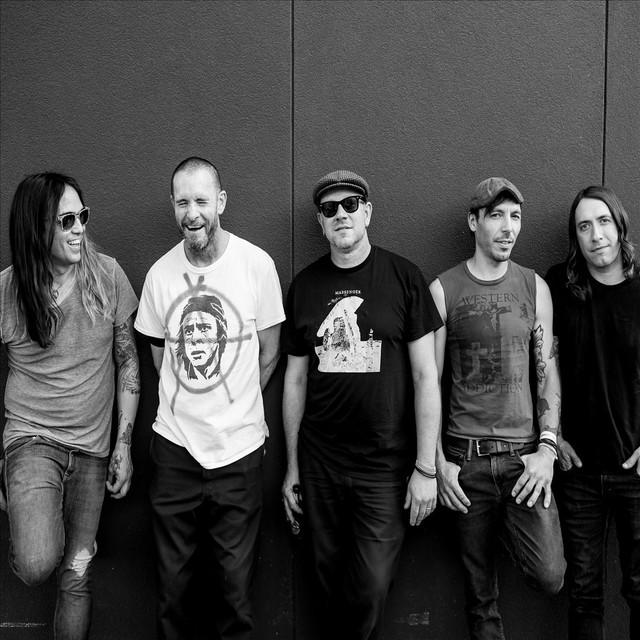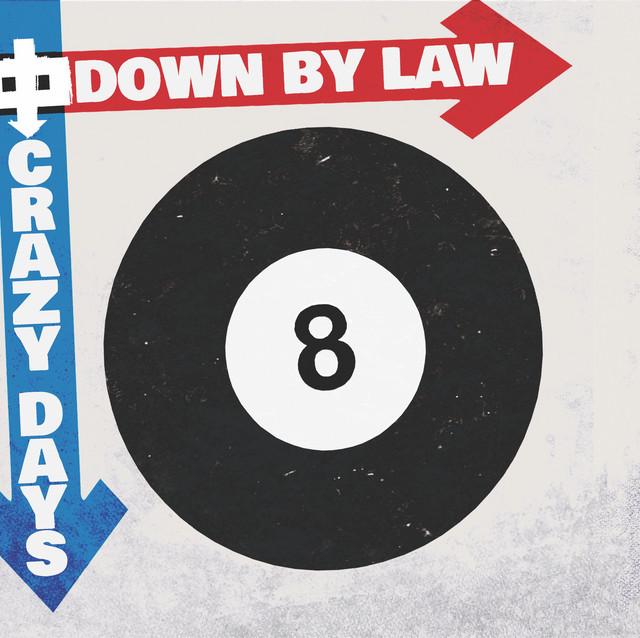
Diesel Boy

Punk
Punk Rock
Skate Punk
 Viberate Rank: 131307
 Viberate Rank: 131307
 Monthly ListenersFollowers
 Subscribers
 Followers
 Followers
 FansTop Spotify Songs
| Track | 7-Day Streams | |
|---|---|---|
1 | 26.22K | |
2 | 6.12K | |
3 | 4.36K | |
4 | 3.34K | |
5 | 1.96K |
Top YouTube VideosMonthly ListenersFeatured in Playlists| Playlist | Followers | |
|---|---|---|
1 | Folk-Punk Tom | 24.82K |
2 | 90's era Ska & Punk mix Dick Duffy | 17.34K |
3 |  Freaks and Geeks: Original Soundtrack and Score Melvin | 15.68K |
4 |  Punk Goes Everything Nick Jones | 14.44K |
5 | The ULTIMATE Skate Punk and Punk Rock Playlist Pizza with Film | 12.95K |
Audience| City | Monthly Listeners | |
|---|---|---|
1 |  | 2.79K |
2 |  | 1.39K |
3 | | 1.31K |
4 | | 1.31K |
5 | | 1.23K |
See full performance history, audience data, playlist activity, rankings, comparisons, and more in Viberate music analytics. Start with a free trial, then continue with a paid plan.
Diesel Boy’s Spotify BioSanta Rosa, CA, punk revivalists Diesel Boy (not to be confused with the techno DJ Dieselboy) formed in 1993, recording their first 7" single in 1996 for Fat Wreck Chords. The full-length Cock Rock was released by Honest Don's Hardly Used Records later that year, featuring a lineup of vocalist/guitarist Dave Lake, guitarist Justin Werth, bassist Greg Hensley, and drummer Mike Schaus. Second album Venus Envy followed in 1997, after which Schaus was replaced by Geoff Lackey, formerly of Shyster. This new lineup issued Sofa King Cool in 1999. Rode Hard and Put Away Wet followed in early 2001 with the help of producer Ryan Greene (NOFX, Lagwagon), as the Double Letter Score split with Divit appeared that October through Berkeley's Coldfront Records. ~ Steve Huey, Rovi
Viberate is a music analytics platform built for A&Rs, artist managers, labels, booking agents, marketers, and artists.
It helps music professionals track artist growth, analyze audience data, monitor playlist activity, compare artists, follow song performance, and identify opportunities across the music market.
Public artist pages provide a free preview of selected artist data. Paid plans provide access to deeper analytics, historical data, charts, comparisons, playlist tools, exports, alerts, reports, and additional professional features.
Yes. Public Viberate artist pages provide selected artist analytics and music data for free.
Viberate also offers a 7-day free trial of the full platform. A credit card is required to start the trial. The trial includes access to the complete product so users can test deeper artist analytics, historical views, playlist insights, comparisons, charts, exports, alerts, and reporting features before choosing a paid plan.
Viberate provides artist analytics across streaming, playlists, social media, video, radio airplay, songs, and audience markets.
Users can analyze Spotify performance, Spotify and Apple Music playlists, YouTube activity, TikTok and Instagram growth, radio spins, song performance, audience locations, demographics, rankings, and overall artist momentum.
Artist profiles also connect to music charts, similar artists, and comparison tools, helping users benchmark performance and evaluate artists in context.
Viberate updates key artist and track data daily.
For followed artists and tracks, selected data is refreshed multiple times per day. This helps teams monitor playlist changes, streaming movement, audience growth, releases, and campaign performance with more current data.
Update frequency can vary depending on the metric and data source.
Yes. Viberate lets users compare up to five artists side by side across streaming, social media, audience, and engagement metrics.
Users can compare fanbase growth, audience demographics, locations, Spotify performance, social metrics, and other artist data over selected time periods.
Artist comparison can be used for A&R scouting, benchmarking, booking decisions, campaign planning, and evaluating artists with similar audiences or market positions.