Bigwig

Punk
Hardcore Punk
Skate Punk
 Viberate Rank: 146010
 Viberate Rank: 146010
 Monthly ListenersFollowers
 Subscribers
 Followers
 Followers
 FansTop Spotify Songs
| Track | 7-Day Streams | |
|---|---|---|
1 | 6.41K | |
2 | 5.06K | |
3 | 4.35K | |
4 | 3.95K | |
5 | 3.31K |
Top YouTube VideosMonthly ListenersFeatured in Playlists| Playlist | Followers | |
|---|---|---|
1 |  Skatepark Punks Spotify | 1.12M |
2 |  The Evolution of Punk (In Chronological Order) kingfirley | 16.18K |
3 |  Punk Goes Everything Nick Jones | 14.44K |
4 | The ULTIMATE Skate Punk and Punk Rock Playlist Pizza with Film | 12.95K |
5 | 90s Skate Punk Sascha | 8.97K |
Audience| City | Monthly Listeners | |
|---|---|---|
1 |  | 2.14K |
2 | | 673 |
3 | | 631 |
4 | | 582 |
5 |  | 512 |
See full performance history, audience data, playlist activity, rankings, comparisons, and more in Viberate music analytics. Start with a free trial, then continue with a paid plan.
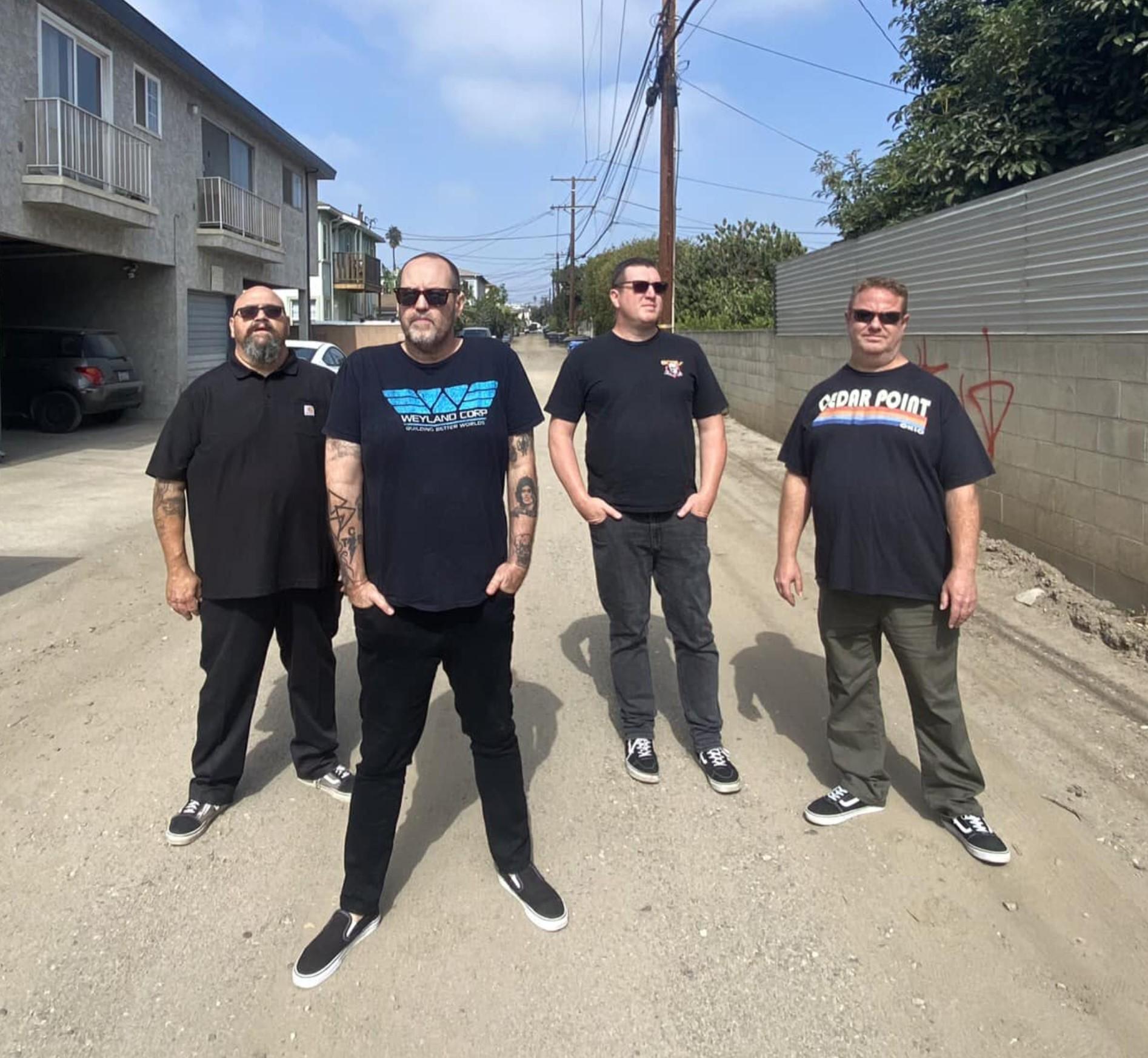
Bigwig’s Spotify BioSince their start in 1995, Bigwig have delivered an aggressive dose of sarcasm to the East Coast shores of New Jersey. Under the influence of Rich Kids on LSD and Propagandhi -- minus the anarcho-politics -- members Tom Petta (vocals/guitar), John (bass), Josh (guitar), and Dan (drums) didn't waste any time with their initial releases. Coming to the attention of Fearless Records through Strung Out's Jim Cherry, the band appeared on a handful of compilations and two EPs before their first full-length, un Merry Melodies, was released in 1997 courtesy of Fearless. Two years and some heavy touring followed before the follow-up, Stay Asleep, came out on Kung Fu Records in 1999. The guys returned to Fearless for August 2001's An Invitation to Tragedy, a faster, heavier album mixed by Ryan Greene (Lagwagon, No Use for a Name). Numerous member changes (interim members Jeremy Hernandez and Max Béchard went on to form Near Miss together) and injuries plagued the band, causing little touring and… a five-year gap between albums. With a permanent lineup finally in place -- Petta, Zak (bass), Jeff Powers (guitar), and Keith (drums) -- Bigwig released the muscular, and long overdue, Reclamation in February 2006. ~ Mike DaRonco, Rovi
Viberate is a music analytics platform built for A&Rs, artist managers, labels, booking agents, marketers, and artists.
It helps music professionals track artist growth, analyze audience data, monitor playlist activity, compare artists, follow song performance, and identify opportunities across the music market.
Public artist pages provide a free preview of selected artist data. Paid plans provide access to deeper analytics, historical data, charts, comparisons, playlist tools, exports, alerts, reports, and additional professional features.
Yes. Public Viberate artist pages provide selected artist analytics and music data for free.
Viberate also offers a 7-day free trial of the full platform. A credit card is required to start the trial. The trial includes access to the complete product so users can test deeper artist analytics, historical views, playlist insights, comparisons, charts, exports, alerts, and reporting features before choosing a paid plan.
Viberate provides artist analytics across streaming, playlists, social media, video, radio airplay, songs, and audience markets.
Users can analyze Spotify performance, Spotify and Apple Music playlists, YouTube activity, TikTok and Instagram growth, radio spins, song performance, audience locations, demographics, rankings, and overall artist momentum.
Artist profiles also connect to music charts, similar artists, and comparison tools, helping users benchmark performance and evaluate artists in context.
Viberate updates key artist and track data daily.
For followed artists and tracks, selected data is refreshed multiple times per day. This helps teams monitor playlist changes, streaming movement, audience growth, releases, and campaign performance with more current data.
Update frequency can vary depending on the metric and data source.
Yes. Viberate lets users compare up to five artists side by side across streaming, social media, audience, and engagement metrics.
Users can compare fanbase growth, audience demographics, locations, Spotify performance, social metrics, and other artist data over selected time periods.
Artist comparison can be used for A&R scouting, benchmarking, booking decisions, campaign planning, and evaluating artists with similar audiences or market positions.