Guttermouth

Punk
Punk Rock
Skate Punk
Ska Punk
 Viberate Rank: 55990
 Viberate Rank: 55990
 Monthly ListenersFollowers
 Subscribers
 Followers
 Followers
 FansTop Spotify Songs
| Track | 7-Day Streams | |
|---|---|---|
1 | 19.84K | |
2 | 12.39K | |
3 | 10.50K | |
4 | 9.62K | |
5 | 8.56K |
Top YouTube VideosMonthly ListenersFeatured in Playlists| Playlist | Followers | |
|---|---|---|
1 | Tony Hawk Pro Skater ost / 1 - 4 sarahchu | 87.62K |
2 |  Tony Hawk's Pro Skater 1-4 Playstation Selection Rnt | 48.65K |
3 | Tony Hawk Pro Skater! bhhsmith | 43.06K |
4 |  Tony Hawk's Pro Skater 3 Chris Crocker-White | 42.92K |
5 | 12155857677 | 34.56K |
Audience| City | Monthly Listeners | |
|---|---|---|
1 |  | 3.61K |
2 |  | 3.38K |
3 | | 3.36K |
4 | | 3.32K |
5 | | 3.10K |
See full performance history, audience data, playlist activity, rankings, comparisons, and more in Viberate music analytics. Start with a free trial, then continue with a paid plan.
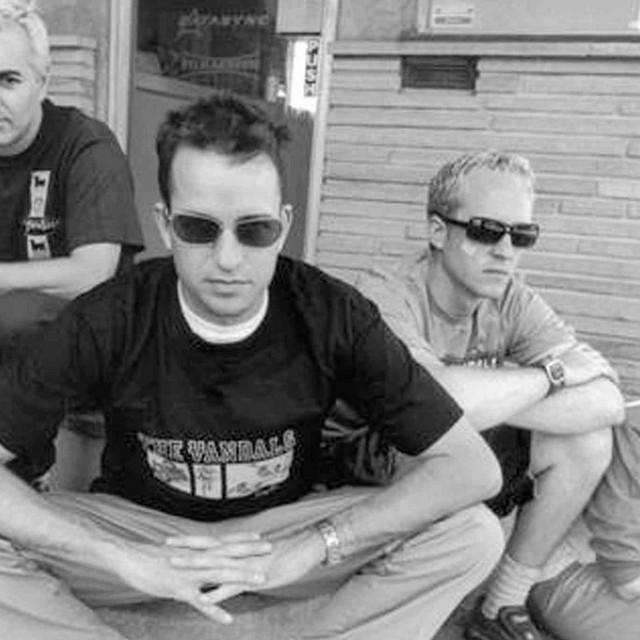
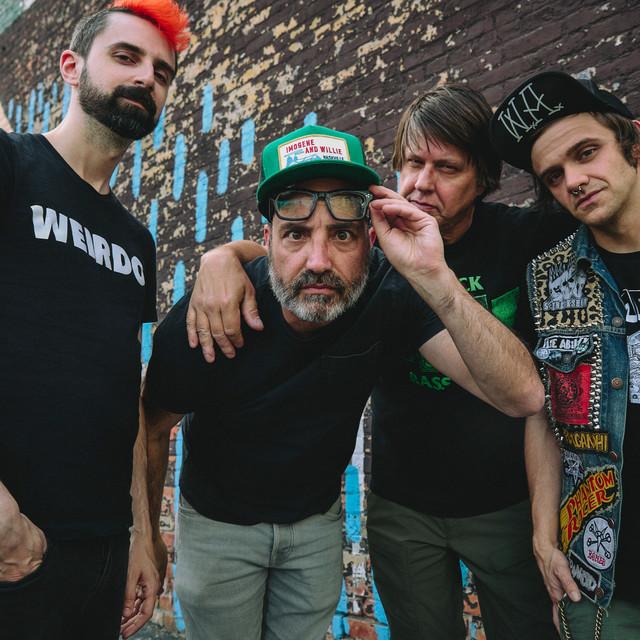
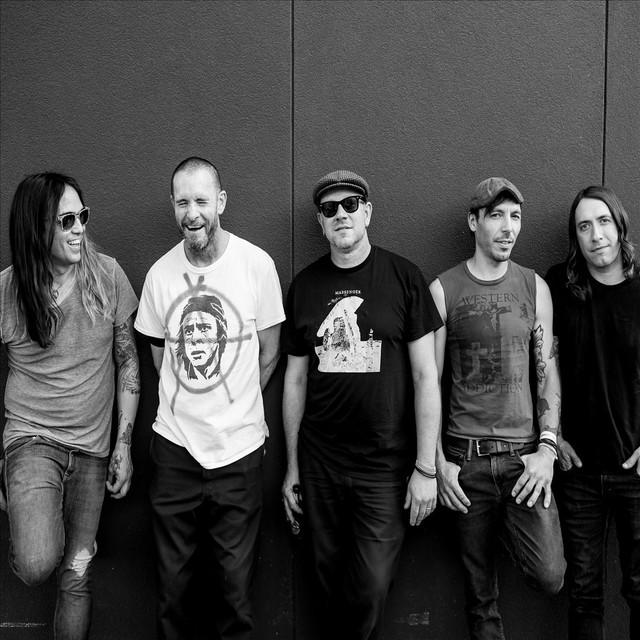
Guttermouth’s Spotify BioHuntington Beach, California-based punks Guttermouth formed in 1989, comprising vocalist Mark "Mercury" Adkins, guitarists Derek Davis and Scott Sheldon, bassist Stever Rapp (who replaced original bassist Clint Weinrich), and drummer Captain James T. Nunn. Debuting a year later with the single "Puke," Guttermouth issued their debut LP, Full Length, in 1992, followed in 1994 by Friendly People, their first effort for new label Nitro Records. Guttermouth resurfaced in 1996 with Teri Yakimoto, followed a year later by Musical Monkey; their first concert LP, Live from the Pharmacy, appeared in 1998. Their sixth album, Gorgeous, was issued a year later, featuring new drummer Ty Smith; Covered with Ants followed in mid-2000, marking their first for Epitaph.
Guttermouth are studio hounds; they returned to the punk rock scene in fall 2002 when the ambitious Gusto was released, and came back for more in 2004 with the scathing Eat Your Face (with guitarist Don Horne and ex-Slick Shoes bassist… Kevin Clark now on board). That same summer saw the departure of drummer Smith to concentrate on his side project Bullets and Octane; the outspoken band also reportedly got kicked off the Warped Tour in August. Adkins later clarified that they left the tour by choice, sickened by the ignorant political comments spouted during various bands' sets. After departing Epitaph Records, the group was officially added to the Volcom Entertainment roster in late 2005. Guttermouth then contributed the track "April 29th, 1992" to the Sublime tribute album Forever Free, and released their installment of the Beyond Warped Live Music Series in January 2006. The band's tenth album, Shave the Planet, appeared that August, with Adkins, Sheldon, and Horne joined by original bassist Weinrich and drummer Ryan Farrell. After promotion for Shave, the band didn't issue new material for a full decade. When they re-formed, the new lineup consisted of Adkins, bassist Justin Van Westbroek, and guitarist Geoff Armstrong. The outfit released a pair of EPs in 2016: Got It Made arrived that summer, while New Car Smell was issued that winter. ~ Jason Ankeny, Rovi
Viberate is a music analytics platform built for A&Rs, artist managers, labels, booking agents, marketers, and artists.
It helps music professionals track artist growth, analyze audience data, monitor playlist activity, compare artists, follow song performance, and identify opportunities across the music market.
Public artist pages provide a free preview of selected artist data. Paid plans provide access to deeper analytics, historical data, charts, comparisons, playlist tools, exports, alerts, reports, and additional professional features.
Yes. Public Viberate artist pages provide selected artist analytics and music data for free.
Viberate also offers a 7-day free trial of the full platform. A credit card is required to start the trial. The trial includes access to the complete product so users can test deeper artist analytics, historical views, playlist insights, comparisons, charts, exports, alerts, and reporting features before choosing a paid plan.
Viberate provides artist analytics across streaming, playlists, social media, video, radio airplay, songs, and audience markets.
Users can analyze Spotify performance, Spotify and Apple Music playlists, YouTube activity, TikTok and Instagram growth, radio spins, song performance, audience locations, demographics, rankings, and overall artist momentum.
Artist profiles also connect to music charts, similar artists, and comparison tools, helping users benchmark performance and evaluate artists in context.
Viberate updates key artist and track data daily.
For followed artists and tracks, selected data is refreshed multiple times per day. This helps teams monitor playlist changes, streaming movement, audience growth, releases, and campaign performance with more current data.
Update frequency can vary depending on the metric and data source.
Yes. Viberate lets users compare up to five artists side by side across streaming, social media, audience, and engagement metrics.
Users can compare fanbase growth, audience demographics, locations, Spotify performance, social metrics, and other artist data over selected time periods.
Artist comparison can be used for A&R scouting, benchmarking, booking decisions, campaign planning, and evaluating artists with similar audiences or market positions.