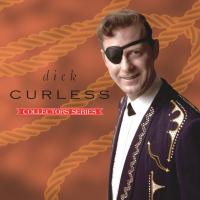
Dick Curless

Country
Contemporary Country
Americana/Alt Country
 Viberate Rank: 112679
 Viberate Rank: 112679
 Monthly ListenersFollowers
 Subscribers
 Followers
 Followers
 FansTop Spotify Songs
| Track | 7-Day Streams | |
|---|---|---|
1 | 39.94K | |
2 | 28.45K | |
3 | 23.91K | |
4 | 16.56K | |
5 | 6.07K |
Top YouTube VideosMonthly ListenersFeatured in Playlists| Playlist | Followers | |
|---|---|---|
1 |  60s Country Spotify | 388.01K |
2 |  Old Country Classics Glenn Asbjørn B. Ovedal | 34.48K |
3 |  Country Roads 🌵 Kevin Sala | 31.55K |
4 | Classic Country Carter Santos | 28.55K |
5 |  Best Get Ready Tyler Childers | 15.82K |
Audience| City | Monthly Listeners | |
|---|---|---|
1 | | 2.72K |
2 | | 2.69K |
3 | | 2.46K |
4 | | 2.38K |
5 | | 2.24K |
See full performance history, audience data, playlist activity, rankings, comparisons, and more in Viberate music analytics. Start with a free trial, then continue with a paid plan.
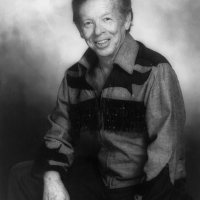
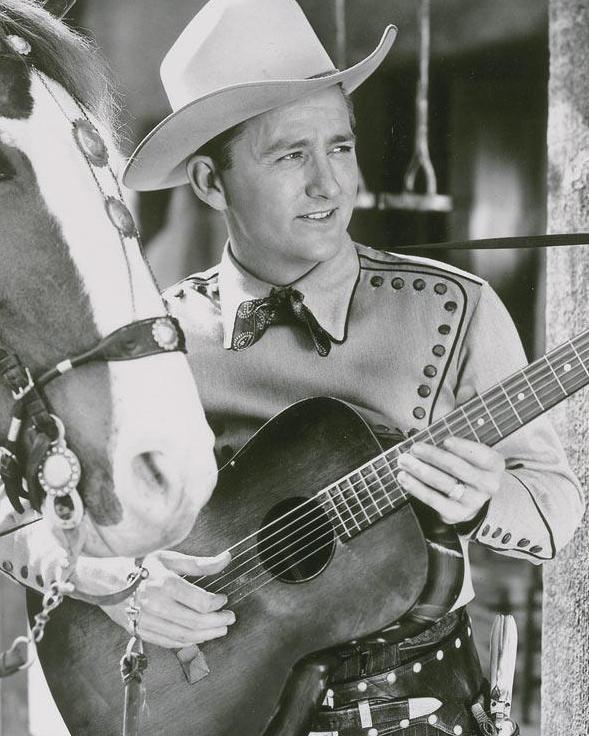
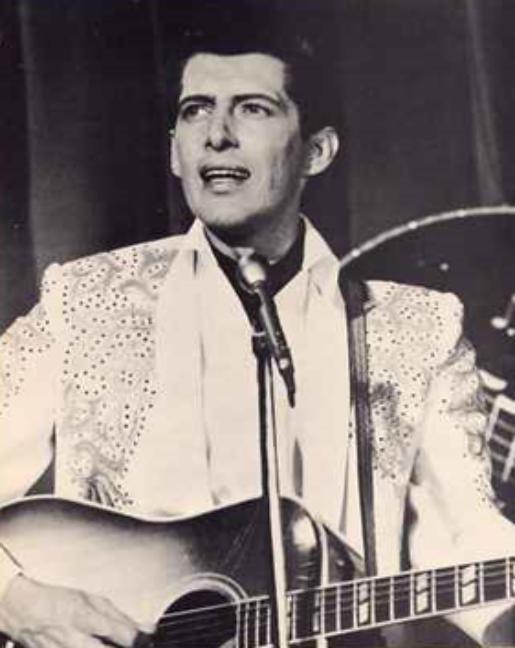
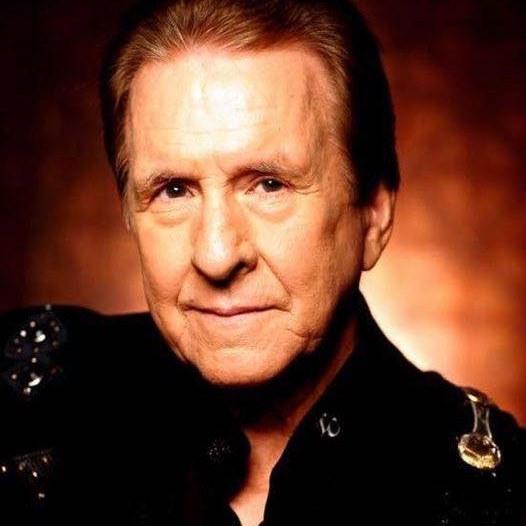
Dick Curless’ Spotify BioDick Curless was best known for singing truck-drivin' songs such as "Drag 'Em Off the Interstate, Sock It to 'Em J.P. Blues." A tall man with an eye-patch and rich baritone voice, Curless was often called the "Baron of Country Music," after one of his popular songs, "The Baron." He was born in Fort Fairfield, ME, and started out professionally in 1948 with the Trail Blazers at a radio station in Ware, MA. While with the group, Curless was billed as "the Tumbleweed Kid." He was drafted in 1951, and while stationed in the Far East frequently appeared on the Armed Forces Network, where he was known as "the Rice Paddy Ranger." He returned to Maine three years later and began singing in Bangor clubs. He got his big break when he won on Arthur Godfrey's Talent Scouts. Afterward Curless began performing in Las Vegas and Hollywood; a record contract followed, but his budding career was interrupted by an illness.
He then returned to Maine, and soon was working with such stars as Gene Hooper,… Lone Pine, and Betty Cody. He finally reached the country charts in 1965 with the Top Five hit "A Tombstone Every Mile," followed by nine more chart hits including the highly successful "Six Times a Day (The Trains Came Down)." In 1970, Curless signed to Capitol and scored a Top 30 hit titled "Big Wheel Cannonball," based on the classic "Wabash Cannonball." The follow-up, "Hard, Hard Traveling Man" (1970), made it to the Top 40.
During his career, he had a total of 22 hits. During the '60s, Curless was a member of The Wheeling Jamboree, and from 1966-1968 he toured with the Buck Owens show. During the '70s and '80s, Curless recorded infrequently, and eventually became a born-again Christian. He recorded an album in Norway in 1987, and by 1992 was a regular at the Cristy Lane Theater in Branson, MO. Curless died in 1995. ~ Sandra Brennan, Rovi
Viberate is a music analytics platform built for A&Rs, artist managers, labels, booking agents, marketers, and artists.
It helps music professionals track artist growth, analyze audience data, monitor playlist activity, compare artists, follow song performance, and identify opportunities across the music market.
Public artist pages provide a free preview of selected artist data. Paid plans provide access to deeper analytics, historical data, charts, comparisons, playlist tools, exports, alerts, reports, and additional professional features.
Yes. Public Viberate artist pages provide selected artist analytics and music data for free.
Viberate also offers a 7-day free trial of the full platform. A credit card is required to start the trial. The trial includes access to the complete product so users can test deeper artist analytics, historical views, playlist insights, comparisons, charts, exports, alerts, and reporting features before choosing a paid plan.
Viberate provides artist analytics across streaming, playlists, social media, video, radio airplay, songs, and audience markets.
Users can analyze Spotify performance, Spotify and Apple Music playlists, YouTube activity, TikTok and Instagram growth, radio spins, song performance, audience locations, demographics, rankings, and overall artist momentum.
Artist profiles also connect to music charts, similar artists, and comparison tools, helping users benchmark performance and evaluate artists in context.
Viberate updates key artist and track data daily.
For followed artists and tracks, selected data is refreshed multiple times per day. This helps teams monitor playlist changes, streaming movement, audience growth, releases, and campaign performance with more current data.
Update frequency can vary depending on the metric and data source.
Yes. Viberate lets users compare up to five artists side by side across streaming, social media, audience, and engagement metrics.
Users can compare fanbase growth, audience demographics, locations, Spotify performance, social metrics, and other artist data over selected time periods.
Artist comparison can be used for A&R scouting, benchmarking, booking decisions, campaign planning, and evaluating artists with similar audiences or market positions.