DC Talk

Hip Hop
Alternative Hip Hop
Pop Rock
Christian Music
 Viberate Rank: 27668
 Viberate Rank: 27668
 Monthly ListenersFollowers
 Subscribers
 Followers
 Followers
 FansTop Spotify Songs
| Track | 7-Day Streams | |
|---|---|---|
1 | 73.45K | |
2 | 52.13K | |
3 | 17.59K | |
4 | 13.82K | |
5 | 12.62K |
Top YouTube Videos| Video | 7-Day Views | |
|---|---|---|
1 | 18.44K | |
2 | 5.28K | |
3 | 4.90K | |
4 | 4.73K | |
5 | 3.83K |
Monthly ListenersFeatured in Playlists| Playlist | Followers | |
|---|---|---|
1 |  TobyMac: The Hard Times SOZO Playlists | 40.62K |
2 |  JESUS Music 🎵🎶🎵🎶✝️ LakersMySquad | 33.42K |
3 | Contemporary Christian Music Jim Finch | 30.10K |
4 |  WORKOUT WORSHIP christiansimon | 28.31K |
5 |  90's Christian Hits Maranatha! Music | 19.77K |
Audience| City | Monthly Listeners | |
|---|---|---|
1 | | 6.34K |
2 | | 3.96K |
3 | | 3.94K |
4 | | 3.57K |
5 | | 3.55K |
See full performance history, audience data, playlist activity, rankings, comparisons, and more in Viberate music analytics. Start with a free trial, then continue with a paid plan.
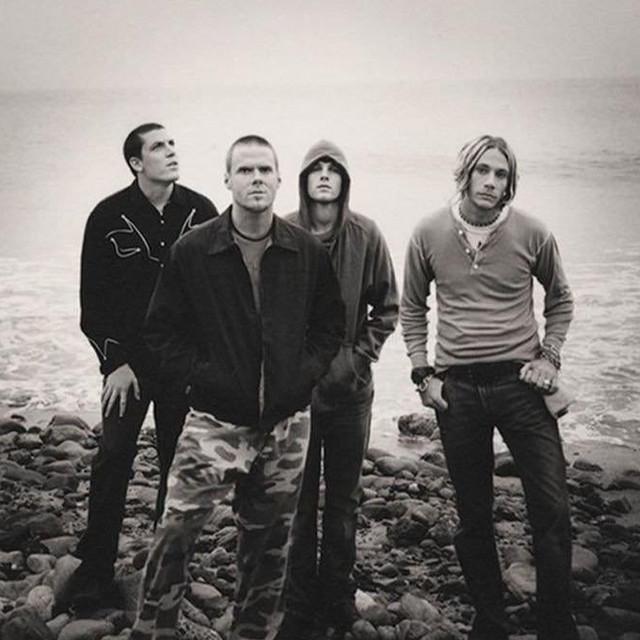
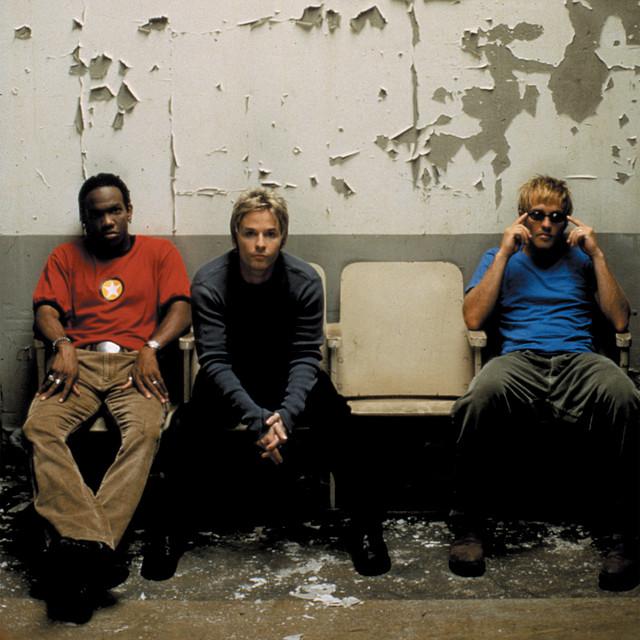
DC Talk’s Spotify BioThe first gospel act to incorporate hip-hop influences (though the trio rarely departs from standard pop/rock), dc Talk became one of the most popular groups in Christian contemporary music during the mid-'90s, when their fourth album, Jesus Freak, made the highest debut for a gospel act on Billboard's album charts. Formed in Washington, D.C., during the late '80s, the group first comprised Toby McKeehan and Michael Tait. Adding Kevin Max Smith to the lineup soon after, the group added elements of hip-hop to their self-titled debut album, which appeared in 1988 on the ForeFront label. Neither McKeehan, Tait, nor Smith were comfortable playing instruments on their recordings, so each recorded only vocals by the time of 1991's Nu Thang. After the release of Free at Last just one year later, dc Talk concentrated on touring for several years, during which a change of image resulted in the group's resemblance to a grunge band. Indeed, 1995's Jesus Freak featured more raging guitars, though… within the medium of harmonic pop/rock. Upon its release, Jesus Freak sold more copies than any gospel album in history and eventually moved over one million copies. Supernatural followed in 1998. ~ John Bush, Rovi
Viberate is a music analytics platform built for A&Rs, artist managers, labels, booking agents, marketers, and artists.
It helps music professionals track artist growth, analyze audience data, monitor playlist activity, compare artists, follow song performance, and identify opportunities across the music market.
Public artist pages provide a free preview of selected artist data. Paid plans provide access to deeper analytics, historical data, charts, comparisons, playlist tools, exports, alerts, reports, and additional professional features.
Yes. Public Viberate artist pages provide selected artist analytics and music data for free.
Viberate also offers a 7-day free trial of the full platform. A credit card is required to start the trial. The trial includes access to the complete product so users can test deeper artist analytics, historical views, playlist insights, comparisons, charts, exports, alerts, and reporting features before choosing a paid plan.
Viberate provides artist analytics across streaming, playlists, social media, video, radio airplay, songs, and audience markets.
Users can analyze Spotify performance, Spotify and Apple Music playlists, YouTube activity, TikTok and Instagram growth, radio spins, song performance, audience locations, demographics, rankings, and overall artist momentum.
Artist profiles also connect to music charts, similar artists, and comparison tools, helping users benchmark performance and evaluate artists in context.
Viberate updates key artist and track data daily.
For followed artists and tracks, selected data is refreshed multiple times per day. This helps teams monitor playlist changes, streaming movement, audience growth, releases, and campaign performance with more current data.
Update frequency can vary depending on the metric and data source.
Yes. Viberate lets users compare up to five artists side by side across streaming, social media, audience, and engagement metrics.
Users can compare fanbase growth, audience demographics, locations, Spotify performance, social metrics, and other artist data over selected time periods.
Artist comparison can be used for A&R scouting, benchmarking, booking decisions, campaign planning, and evaluating artists with similar audiences or market positions.