Audio Adrenaline

Religious
Christian Music
Pop Rock
 Viberate Rank: 40538
 Viberate Rank: 40538
 Monthly ListenersFollowers
 Subscribers
 Followers
 Followers
 FansTop Spotify Songs
| Track | 7-Day Streams | |
|---|---|---|
1 | 35.71K | |
2 | 24.77K | |
3 | 18.65K | |
4 | 15.25K | |
5 | 11.27K |
Top YouTube VideosMonthly ListenersFeatured in Playlists| Playlist | Followers | |
|---|---|---|
1 |  Best of Christian psav8tor | 71.07K |
2 |  Dude Perfect Playlist Lucas Johnson | 55.88K |
3 | Early 2000s worship Kelsey Gordy | 49.80K |
4 |  SUMMER LAKE PLAYLIST 2026 🇺🇸 ☀️ 🛳 Swilson Playlists | 46.74K |
5 | Anime Rock Pascal Krämer | 45.10K |
Audience| City | Monthly Listeners | |
|---|---|---|
1 | | 4.86K |
2 | | 3.17K |
3 | | 2.89K |
4 | | 2.73K |
5 | | 2.68K |
See full performance history, audience data, playlist activity, rankings, comparisons, and more in Viberate music analytics. Start with a free trial, then continue with a paid plan.
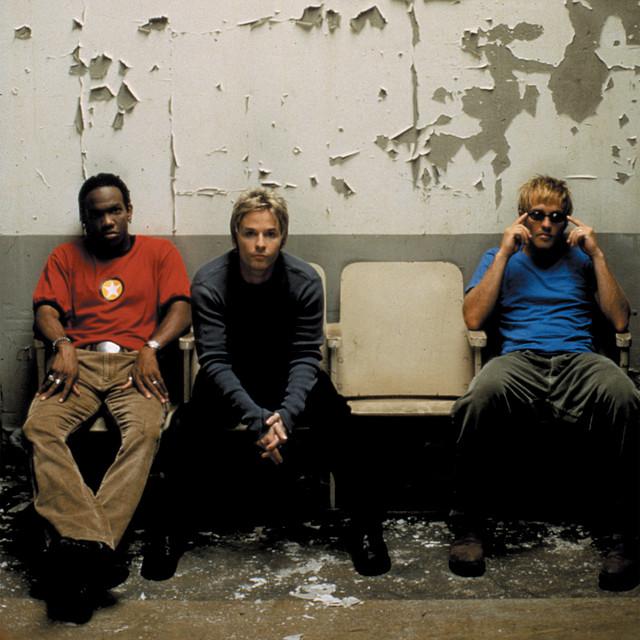
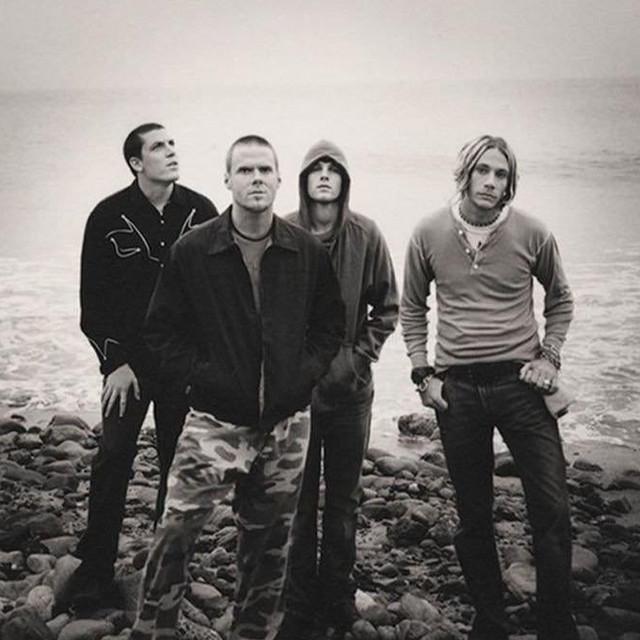
Audio Adrenaline’s Spotify BioWith their fusion of rock, rap and funk, Audio Adrenaline emerged as one of the most popular CCM acts of the 1990s. Formed in 1986 on the campus of Kentucky Christian College, the band originally featured lead vocalist Mark Stuart, guitarist Barry Blair, bassist Will McGinnis, keyboardist Bob Herdman, and drummer Brian Hayes. Initially named A-180, they recorded an independent single, "My God," which caught the attention of Forefront Records president Dan Brock, and soon after the label issued Audio Adrenaline's self-titled debut LP. Don't Censor Me followed in 1993, scoring hits with the singles "Big House" and "Can't Take God Away." Live Bootleg was released in 1995, and Bloom in 1996; the latter debuted in the Top 60 on the Billboard pop charts. In 1997, Audio Adrenaline -- now consisting of Stuart, McGinnis, Herdman, and drummer Ben Cissell -- resurfaced with Some Kind of Zombie; Underdog followed two years later. A greatest-hits collection, Hit Parade, celebrated almost ten years… in the music industry, and served as a good introduction to the band. Lift came out the following year.
In 2003, Audio Adrenaline delivered their seventh full-length album, Worldwide, which earned the group a 2004 Grammy Award for Best Rock Gospel Album. The following year, they duplicated their Grammy success with the album Until My Heart Caves In.
In 2006, citing lead singer Stuart's vocal cord injuries, Audio Adrenaline announced they were breaking up. A career-spanning compilation album, Adios: Greatest Hits, followed that same year and the group embarked on a farewell tour in 2007. Two years later, they played a reunion show during Australia's Easterfest.
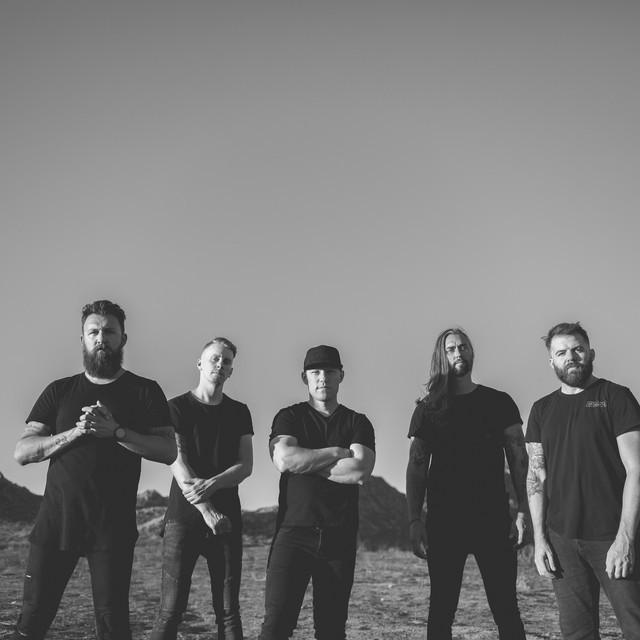
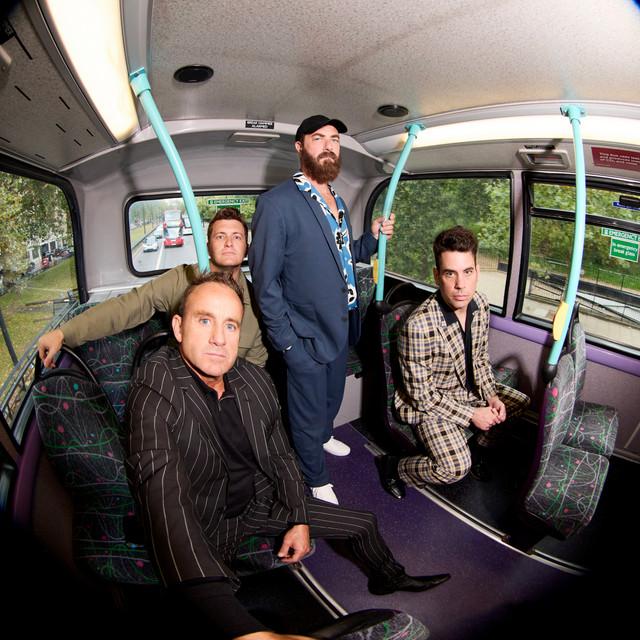
In 2013, Audio Adrenaline re-formed with a new lineup featuring former dc Talk vocalist Kevin Max, and released the album Kings & Queens. Yet more lineup changes followed for the group's tenth studio album, 2015's Sound of the Saints, which found Stellar Kart frontman Adam Agee taking over lead vocal duties. ~ Jason Ankeny, Rovi
Viberate is a music analytics platform built for A&Rs, artist managers, labels, booking agents, marketers, and artists.
It helps music professionals track artist growth, analyze audience data, monitor playlist activity, compare artists, follow song performance, and identify opportunities across the music market.
Public artist pages provide a free preview of selected artist data. Paid plans provide access to deeper analytics, historical data, charts, comparisons, playlist tools, exports, alerts, reports, and additional professional features.
Yes. Public Viberate artist pages provide selected artist analytics and music data for free.
Viberate also offers a 7-day free trial of the full platform. A credit card is required to start the trial. The trial includes access to the complete product so users can test deeper artist analytics, historical views, playlist insights, comparisons, charts, exports, alerts, and reporting features before choosing a paid plan.
Viberate provides artist analytics across streaming, playlists, social media, video, radio airplay, songs, and audience markets.
Users can analyze Spotify performance, Spotify and Apple Music playlists, YouTube activity, TikTok and Instagram growth, radio spins, song performance, audience locations, demographics, rankings, and overall artist momentum.
Artist profiles also connect to music charts, similar artists, and comparison tools, helping users benchmark performance and evaluate artists in context.
Viberate updates key artist and track data daily.
For followed artists and tracks, selected data is refreshed multiple times per day. This helps teams monitor playlist changes, streaming movement, audience growth, releases, and campaign performance with more current data.
Update frequency can vary depending on the metric and data source.
Yes. Viberate lets users compare up to five artists side by side across streaming, social media, audience, and engagement metrics.
Users can compare fanbase growth, audience demographics, locations, Spotify performance, social metrics, and other artist data over selected time periods.
Artist comparison can be used for A&R scouting, benchmarking, booking decisions, campaign planning, and evaluating artists with similar audiences or market positions.