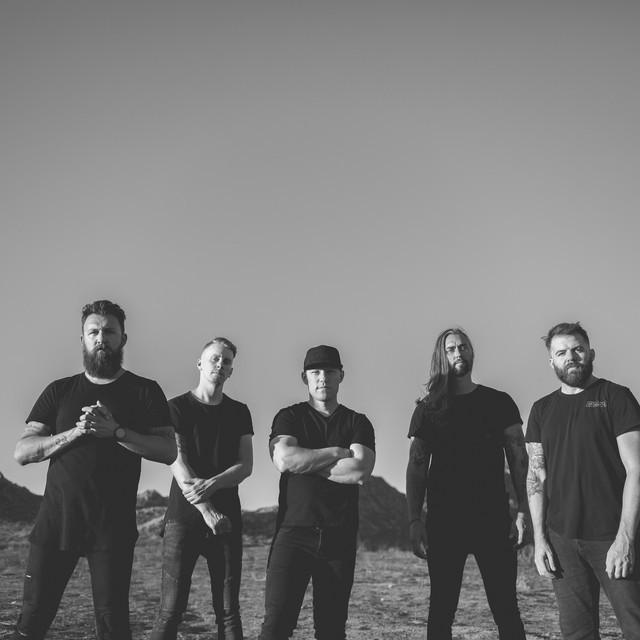
Kutless

Religious
Christian Music
Pop Rock
 Viberate Rank: 20984
 Viberate Rank: 20984
 Monthly ListenersFollowers
 Subscribers
 Followers
 Followers
 FansTop Spotify Songs
| Track | 7-Day Streams | |
|---|---|---|
1 | 67.02K | |
2 | 42.98K | |
3 | 38.65K | |
4 | 33.01K | |
5 | 27.72K |
Top YouTube Videos| Video | 7-Day Views | |
|---|---|---|
1 | 14.25K | |
2 | 8.94K | |
3 | 6.78K | |
4 | 5.21K | |
5 | 3.73K |
Monthly ListenersFeatured in Playlists| Playlist | Followers | |
|---|---|---|
1 |  Best Christian & Gospel Songs of 2025 Spotify | 520.72K |
2 |  Christian Rock Hits Spotify | 308.96K |
3 | Popular Christian Music Juliann Hale | 258.39K |
4 |  Top Christian Rock Spotify | 215.04K |
5 | Top 100 Christian Worship Songs asbjorn.haaland | 169.59K |
Audience| City | Monthly Listeners | |
|---|---|---|
1 | | 9.41K |
2 | | 5.86K |
3 | | 5.70K |
4 | | 5.64K |
5 | | 5.47K |
See full performance history, audience data, playlist activity, rankings, comparisons, and more in Viberate music analytics. Start with a free trial, then continue with a paid plan.
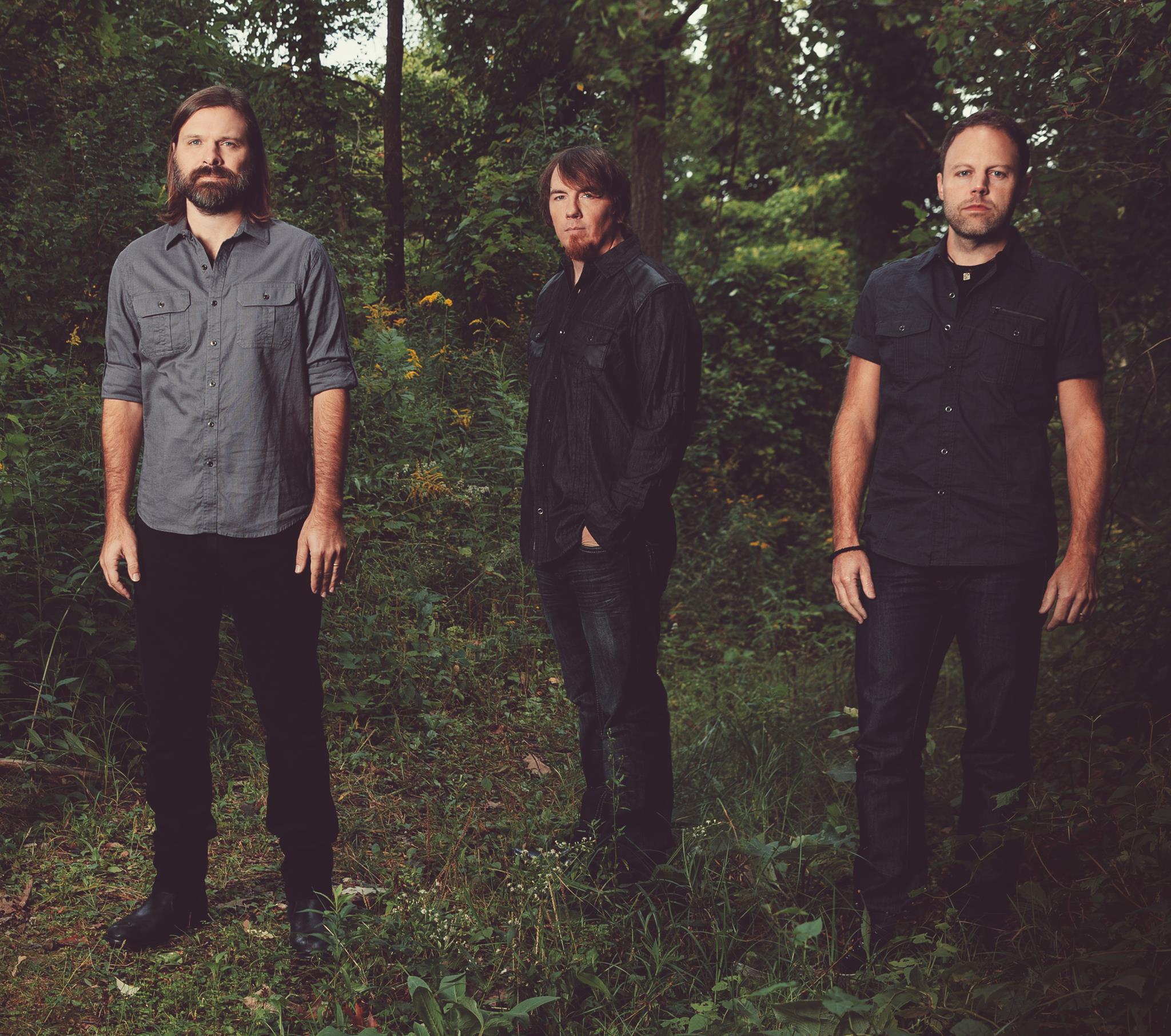
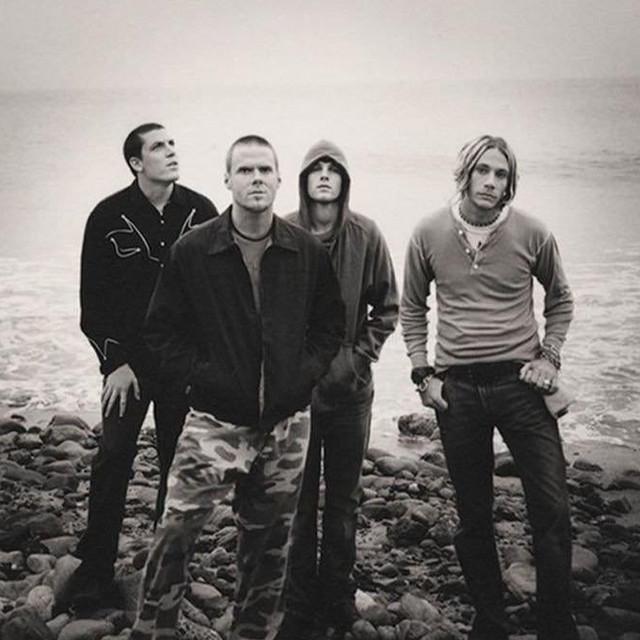
Kutless’ Spotify BioKutless, a Christian alternative band specializing in melodic hard rock, released their self-titled debut on BEC Recordings in 2002. The group, which consists of James Mead (guitar), Nathan "Stu" Stuart (bass), Kyle Mitchell (drums), Ryan Shrout (guitar), and Jon Micah Sumrall (vocals), came together in Portland, Oregon in 1999, inspired by such Christian rock predecessors as the Supertones as well as mainstream modern rockers like Staind, Creed, and Incubus. The seeds of the band were sown when Stuart moved to Portland from his native North Dakota to attend college, where he met Sumrall, Mitchell, and Shrout. All of the members of Kutless attended the same church, Athey Creek, where they began playing music together. They soon decided to forego college to concentrate on their music career, moving into a group house where they hosted basement party gigs. The band headlined such jaunts as the Extreme Days tour and often played events to benefit battered women and children and cancer… victims. The group's albums, all released by BEC Recordings, include Kutless (2002), Sea of Faces (2004), Strong Tower (2005), Hearts of the Innocent (2006), Live from Portland (also from 2006), To Know That You're Alive (2008), It Is Well (2009), and Believer (2012). The group's eight studio album, Glory, appeared in 2014. In 2015, Kutless released the Aaron Sprinkle-produced Surrender, featuring the single "Mirror." The album peaked at number thirteen on the Billboard Christian Albums chart, and garnered the band a Dove Award nomination for Rock/Contemporary Album of the Year. Two years later, they returned with their tenth studio album, Alpha/Omega, which included a reworked version of "Strong Tower" as well as the single "King of My Heart." ~ Erik Hage & Steve Leggett
Viberate is a music analytics platform built for A&Rs, artist managers, labels, booking agents, marketers, and artists.
It helps music professionals track artist growth, analyze audience data, monitor playlist activity, compare artists, follow song performance, and identify opportunities across the music market.
Public artist pages provide a free preview of selected artist data. Paid plans provide access to deeper analytics, historical data, charts, comparisons, playlist tools, exports, alerts, reports, and additional professional features.
Yes. Public Viberate artist pages provide selected artist analytics and music data for free.
Viberate also offers a 7-day free trial of the full platform. A credit card is required to start the trial. The trial includes access to the complete product so users can test deeper artist analytics, historical views, playlist insights, comparisons, charts, exports, alerts, and reporting features before choosing a paid plan.
Viberate provides artist analytics across streaming, playlists, social media, video, radio airplay, songs, and audience markets.
Users can analyze Spotify performance, Spotify and Apple Music playlists, YouTube activity, TikTok and Instagram growth, radio spins, song performance, audience locations, demographics, rankings, and overall artist momentum.
Artist profiles also connect to music charts, similar artists, and comparison tools, helping users benchmark performance and evaluate artists in context.
Viberate updates key artist and track data daily.
For followed artists and tracks, selected data is refreshed multiple times per day. This helps teams monitor playlist changes, streaming movement, audience growth, releases, and campaign performance with more current data.
Update frequency can vary depending on the metric and data source.
Yes. Viberate lets users compare up to five artists side by side across streaming, social media, audience, and engagement metrics.
Users can compare fanbase growth, audience demographics, locations, Spotify performance, social metrics, and other artist data over selected time periods.
Artist comparison can be used for A&R scouting, benchmarking, booking decisions, campaign planning, and evaluating artists with similar audiences or market positions.