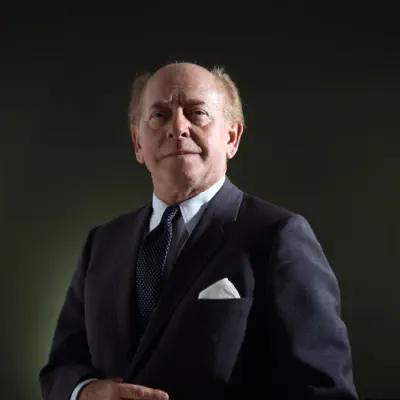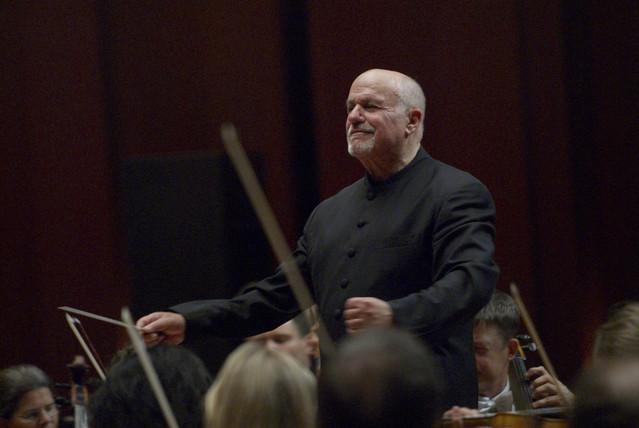
David Zinman

Classical
Orchestral
Chamber Music
 Viberate Rank: 66997
 Viberate Rank: 66997
 Monthly ListenersFollowers
 Subscribers
 Followers
 Followers
 FansTop Spotify Songs
| Track | 7-Day Streams | |
|---|---|---|
1 | 100.08K | |
2 | 82.63K | |
3 | 71.82K | |
4 | 71.29K | |
5 | 70.31K |
Top YouTube Videos| Video | 7-Day Views | |
|---|---|---|
1 | 20.86K | |
2 | 2.63K | |
3 | 353 | |
4 | 117 | |
5 | 63 |
Monthly ListenersFeatured in Playlists| Playlist | Followers | |
|---|---|---|
1 |  Mozart for Study Spotify | 204.63K |
2 | phillysblunt | 127.21K |
3 |  Klassik die man hören muss: die schönste klassische Musik Meine Klassik | 117.79K |
4 |  Focus Music - Work | Studying | Concentration Kroschi | 112.12K |
5 |  Easy Listening Classical For Study, Work, Relaxing, Chillout, Anything But Serious Listening Ulysses' Classical | 99.23K |
Audience| City | Monthly Listeners | |
|---|---|---|
1 |  | 11.32K |
2 |  | 8.35K |
3 | | 7.97K |
4 | | 6.70K |
5 | | 5.99K |
See full performance history, audience data, playlist activity, rankings, comparisons, and more in Viberate music analytics. Start with a free trial, then continue with a paid plan.
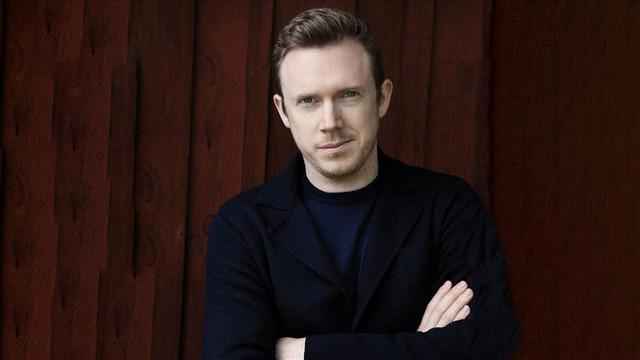
David Zinman’s Spotify BioDavid Zinman is an American conductor, well known for his broad repertoire with large emphasis on new music from North America and Europe. His own instrument was the violin, which he studied at Oberlin College Conservatory of Music in Ohio. He took a Masters in composition at the University of Minnesota in 1963. During the same period he attended the Berkshire Music Center at Tanglewood. French conductor Pierre Monteux noticed him, leading to Zinman's enrolling in Monteux's conducting school in Maine. From 1961 to 1963 Zinman served as Monteux's assistant, and he considers Monteux his primary mentor.
He appeared as a guest conductor at the Nederlands Kammerorkest, after which the organization engaged him as its conductor. He held that position from 1965 to 1977. His success in Holland led one of the country's leading full-size orchestras, the Rotterdam Philharmonic, to invite him to be its music director (1979-82). He also conducted at the Holland Festival. In the meantime he had been… music adviser (1972-74) and music director (1974-85) of the Rochester (NY) Philharmonic. In 1983 he became principal guest conductor of the Baltimore Symphony Orchestra. This association was elevated to the position of music director in 1985.
Zinman has been known for a very broad repertoire and innovative programming. In Baltimore he added a summer music festival, a discovery series of contemporary music, and Saturday morning "Casual Concerts," with commentary by the conductor. His highly acclaimed recordings on such labels as Telarc, Argo, and Sony Classics include music as traditional as the Elgar symphonies and overtures and as unusual as Michael Daugherty's Metropolis Symphony, based on characters and situations from the Superman comic books.
Zinman's many recordings have received numerous awards and distinctions. Most notable is the spectacular popularity of his 1990 recording of Górecki's Third Symphony for Nonesuch, which became one of the most commercially successful classical recordings ever produced. He has also received a Gramophone Award, two Grands Prix du Disque, two Edison Prizes, and five Grammy Awards.
He has helped spark interest in a new school of tonal American symphonic composition that rejected the abstruse, international sound of the 12-tone music that dominated the world of "serious" clasical music from about 1950 to 1980. This more audience-friendly music featured harmonic languages and the driving rhythms characteristic of much American popular music and jazz. Although the music has been criticized fot not being progressive, the presence of these elements thrills many in the established audience, and has helped attract a new one. Composers whose work he has promoted include Christopher Rouse, Michael Torke, Aaron Jay Kernis, and Richard Danielpour.
In 1998 Zinman stepped down from his Baltimore position, but continued as music director and chief conductor of the Zurich Tonhalle Orchestra (since 1995, with his contract extending to 2014). He was also music director of the Aspen Music Festival from 1985 until 2009.
Viberate is a music analytics platform built for A&Rs, artist managers, labels, booking agents, marketers, and artists.
It helps music professionals track artist growth, analyze audience data, monitor playlist activity, compare artists, follow song performance, and identify opportunities across the music market.
Public artist pages provide a free preview of selected artist data. Paid plans provide access to deeper analytics, historical data, charts, comparisons, playlist tools, exports, alerts, reports, and additional professional features.
Yes. Public Viberate artist pages provide selected artist analytics and music data for free.
Viberate also offers a 7-day free trial of the full platform. A credit card is required to start the trial. The trial includes access to the complete product so users can test deeper artist analytics, historical views, playlist insights, comparisons, charts, exports, alerts, and reporting features before choosing a paid plan.
Viberate provides artist analytics across streaming, playlists, social media, video, radio airplay, songs, and audience markets.
Users can analyze Spotify performance, Spotify and Apple Music playlists, YouTube activity, TikTok and Instagram growth, radio spins, song performance, audience locations, demographics, rankings, and overall artist momentum.
Artist profiles also connect to music charts, similar artists, and comparison tools, helping users benchmark performance and evaluate artists in context.
Viberate updates key artist and track data daily.
For followed artists and tracks, selected data is refreshed multiple times per day. This helps teams monitor playlist changes, streaming movement, audience growth, releases, and campaign performance with more current data.
Update frequency can vary depending on the metric and data source.
Yes. Viberate lets users compare up to five artists side by side across streaming, social media, audience, and engagement metrics.
Users can compare fanbase growth, audience demographics, locations, Spotify performance, social metrics, and other artist data over selected time periods.
Artist comparison can be used for A&R scouting, benchmarking, booking decisions, campaign planning, and evaluating artists with similar audiences or market positions.