David Raksin

Classical
Classical Crossover
Orchestral
 Viberate Rank: 171877
 Viberate Rank: 171877
 Monthly ListenersFollowers
 Subscribers
 Followers
 Followers
 FansTop Spotify Songs
| Track | 7-Day Streams | |
|---|---|---|
1 | 133.38K | |
2 | 514 | |
3 | 352 | |
4 | 229 | |
5 | 194 |
Top YouTube VideosMonthly ListenersFeatured in Playlists| Playlist | Followers | |
|---|---|---|
1 |  Just Jazz Spotify | 173.67K |
2 |  Saxophone Classics Spotify | 142.18K |
3 |  autumn vintage jazz mrsjennaredish | 121.41K |
4 | Sunday Morning - Paris Cafe russrichards | 64.20K |
5 |  JAZZ CHILLOUT 1296362009 | 44.19K |
Audience| City | Monthly Listeners | |
|---|---|---|
1 | | 74 |
2 | | 64 |
3 |  | 60 |
4 |  | 57 |
5 |  | 56 |
See full performance history, audience data, playlist activity, rankings, comparisons, and more in Viberate music analytics. Start with a free trial, then continue with a paid plan.
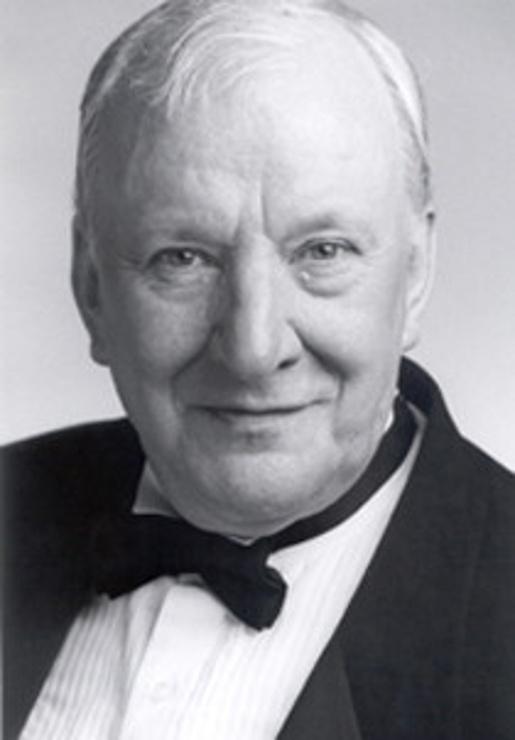
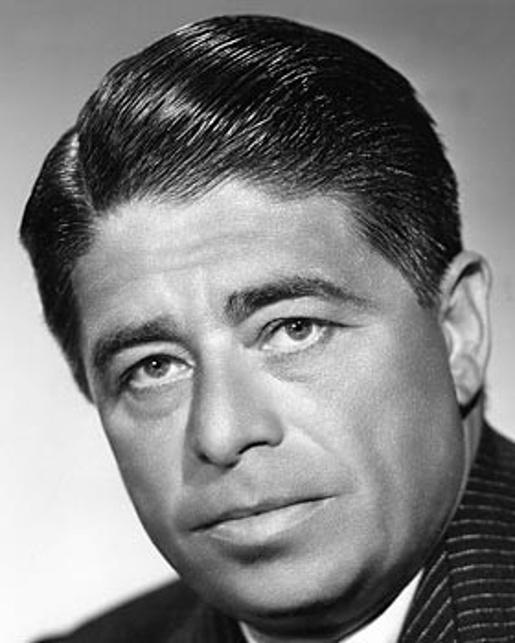
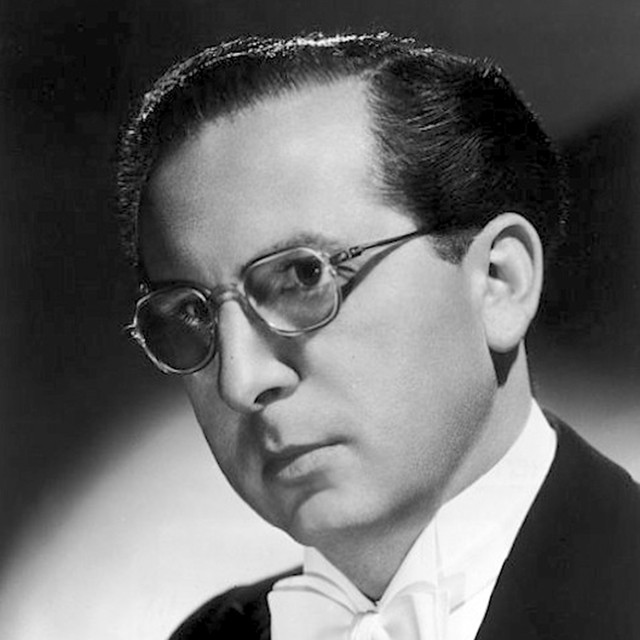
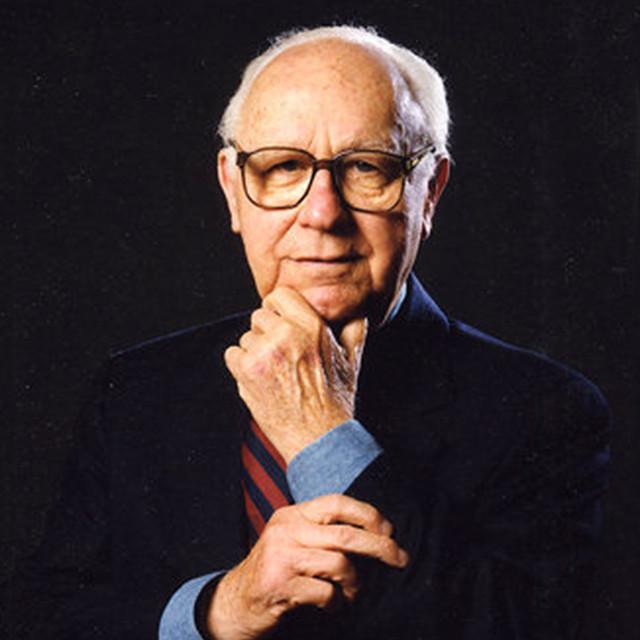
David Raksin’s Spotify BioDavid Raksin was among the most prolific and storied composers in Hollywood history, his career spanning across six decades and some of the most acclaimed films in cinema history. Raksin was born August 4, 1912 in Philadelphia, where his father was a member of the Philadelphia Orchestra in addition to conducting and performing in concert bands and for silent movies. The younger Raksin began studying piano as a child and by 12 was fronting his own dance band, even appearing on the local CBS radio station -- he taught himself orchestration while still in high school, funding his subsequent studies at the University of Pennsylvania by performing with society bands and radio orchestras. After graduation, Raksin settled in New York City, working as a pianist and arranger with several orchestras; in time he crossed paths with pianist Oscar Levant, who was so impressed by his arrangement of George Gershwin's "I Got Rhythm" that he alerted Gershwin himself. Gershwin was so impressed that he… arranged for Raksin to join the Harms/Chappell team, then the dominant arranging force in all of Broadway.
Raksin remained with Harms/Chappell until 1935, when he relocated to Hollywood to work with the legendary Charlie Chaplin on Modern Times, arranging the film's score based on melodies Chaplin would hum or whistle. He briefly returned to Philadelphia long enough to assist conductor Leopold Stokowski in premiering his concert piece "Montage" before returning to Hollywood full-time -- in 1937 alone, Raksin racked up no fewer than 11 different film credits, and he would maintain a frenetic pace for decades to follow. He authored his first true classic in 1944: Commissioned to score Otto Preminger's atmospheric murder mystery Laura, Raksin composed the film's haunting theme just days after separating from his first wife, drawing on her "Dear John" letter for inspiration and channeling his heartbreak into one of the most memorable and recognizable melodies in motion picture history. Johnny Mercer later added lyrics, and "Laura" is now recognized as an American standard, recorded by Frank Sinatra, Rosemary Clooney, Ella Fitzgerald, and countless others.
Raksin earned his first Academy Award nomination in 1947 for his work on the period drama Forever Amber; he earned his only other Oscar bid 11 years later for Separate Tables, never taking home a statuette. He nevertheless worked on some of the most celebrated motion pictures of the postwar era, among them Abraham Polonsky's Force of Evil, Nicholas Ray's Bigger Than Life, and Vincente Minnelli's The Bad and the Beautiful -- in all, Raksin scored in excess of 100 films, not to mention themes and scores for more than 300 television programs including Ben Casey and Life With Father. He also worked in radio, most notably writing, narrating, and conducting interviews for a three-year series of 64 hour-long programs entitled The Subject Is Film Music, and from 1956 until his death, he taught film composition at the University of Southern California. Raksin's film and television output slowed during the 1970s, and in 1983 he completed his last major celluloid score for the landmark telefilm The Day After; soon after he received a commission from the Library of Congress, premiering his choral work "Oedipus Memneitai (Oedipus Remembers)" on October 30, 1986. Raksin died at his Van Nuys, California home on August 9, 2004 at the age of 92.
Viberate is a music analytics platform built for A&Rs, artist managers, labels, booking agents, marketers, and artists.
It helps music professionals track artist growth, analyze audience data, monitor playlist activity, compare artists, follow song performance, and identify opportunities across the music market.
Public artist pages provide a free preview of selected artist data. Paid plans provide access to deeper analytics, historical data, charts, comparisons, playlist tools, exports, alerts, reports, and additional professional features.
Yes. Public Viberate artist pages provide selected artist analytics and music data for free.
Viberate also offers a 7-day free trial of the full platform. A credit card is required to start the trial. The trial includes access to the complete product so users can test deeper artist analytics, historical views, playlist insights, comparisons, charts, exports, alerts, and reporting features before choosing a paid plan.
Viberate provides artist analytics across streaming, playlists, social media, video, radio airplay, songs, and audience markets.
Users can analyze Spotify performance, Spotify and Apple Music playlists, YouTube activity, TikTok and Instagram growth, radio spins, song performance, audience locations, demographics, rankings, and overall artist momentum.
Artist profiles also connect to music charts, similar artists, and comparison tools, helping users benchmark performance and evaluate artists in context.
Viberate updates key artist and track data daily.
For followed artists and tracks, selected data is refreshed multiple times per day. This helps teams monitor playlist changes, streaming movement, audience growth, releases, and campaign performance with more current data.
Update frequency can vary depending on the metric and data source.
Yes. Viberate lets users compare up to five artists side by side across streaming, social media, audience, and engagement metrics.
Users can compare fanbase growth, audience demographics, locations, Spotify performance, social metrics, and other artist data over selected time periods.
Artist comparison can be used for A&R scouting, benchmarking, booking decisions, campaign planning, and evaluating artists with similar audiences or market positions.