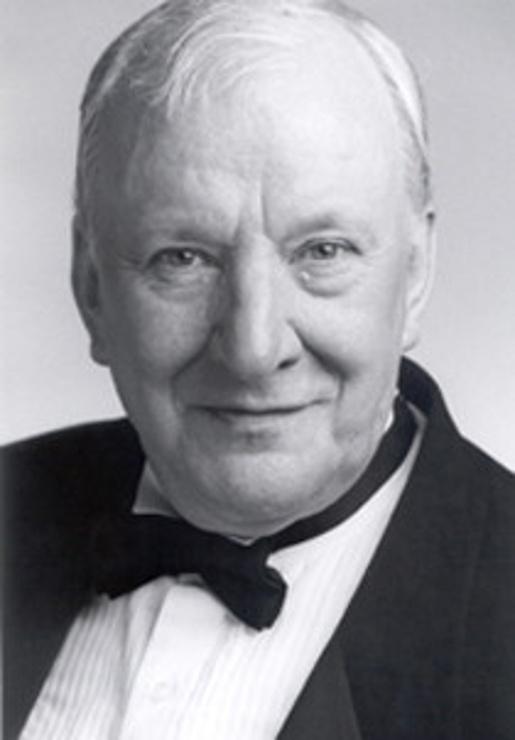
Richard Rodney Bennett

Classical
Classical Crossover
Orchestral
 Viberate Rank: 378702
 Viberate Rank: 378702
 Monthly ListenersFollowers
 Subscribers
 Followers
 Followers
 FansTop Spotify SongsTop YouTube VideosMonthly ListenersFeatured in Playlists
| Playlist | Followers | |
|---|---|---|
1 |  Christmas Choir Spotify | 87.02K |
2 |  Best of Movie, TV & Game Soundtracks by GuiguiF Guillaume Flahaut | 53.67K |
3 |  Filmmuziek Top 400 (2026) | NPO Klassiek NPO Klassiek | 32.38K |
4 | Classical Flute sabikam | 15.92K |
5 |  Soundtracks Luca ElRey | 15.50K |
Audience| City | Monthly Listeners | |
|---|---|---|
1 |  | 564 |
2 |  | 161 |
3 | | 151 |
4 |  | 145 |
5 |  | 124 |
See full performance history, audience data, playlist activity, rankings, comparisons, and more in Viberate music analytics. Start with a free trial, then continue with a paid plan.
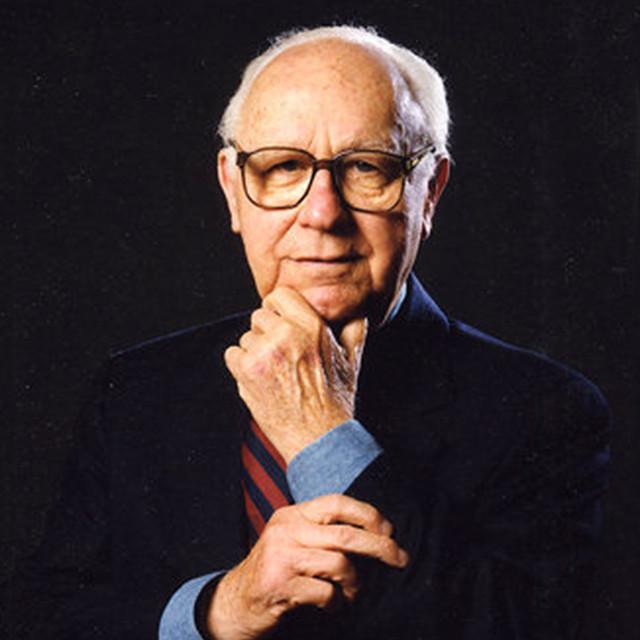
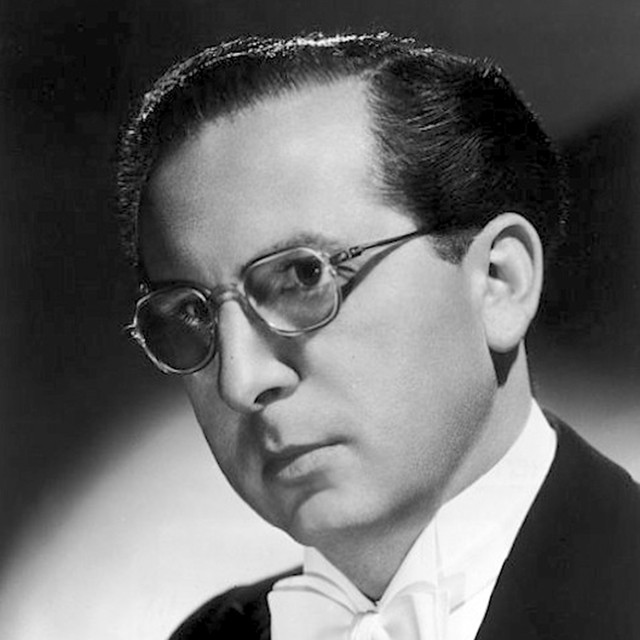
Richard Rodney Bennett’s Spotify BioA remarkably prolific composer and versatile pianist, Richard Rodney Bennett divided his attention among three primary musical interests: film music in an often Romantic style, concert music owing much to serialism, and jazz and cabaret music. Bennett began following all of these avenues by the 1950s, but he never allowed the paths to intersect. Each pursuit maintained its own integrity and in no way could he be considered a crossover artist. He was writing music even as he was learning to read, and produced three string quartets by the time he was 18. Bennett enrolled in the Royal Academy of Music in 1953, studying composition with Howard Ferguson and Lennox Berkeley. He graduated in 1956, then spent 1957 - 1959 as a scholarship student in Paris with Pierre Boulez. Here, Bennett was thoroughly indoctrinated in Boulez's technique of total serialism and the German avant-garde, but his only surviving work from this period is Cycle II for Paul Jacobs. Bennett almost immediately took a… highly personal approach to serialism, focusing on the melodic possibilities of a tone row and readily exploring its harmonic potential. A turning point came in 1981 with his ballet Noctuary, which fused the tonality of the Scott Joplin piece on which it was based with Bennett's usual atonal serialism. After this, Bennett's techniques became much freer; while still atonal, his highly expressive music shook off the strictest controls of serialism and often indulged in quotation of earlier composers. Bennett's catalog includes four string quartets, three symphonies, concertos for almost all the principal instruments (including harpsichord), and a great deal of chamber music. He frequently wrote for woodwinds throughout his career, but began to focus more intently on them in the late '80s upon befriending many wind players in his capacity as a piano accompanist. Since 1956, Bennett had also been writing film scores in a much more conservative style. He became a favorite composer of Joseph Losey, among other directors, and among his some 50 cinematic efforts are scores for such popular movies as Far from the Madding Crowd, Nicholas and Alexandra, Murder on the Orient Express, and Four Weddings and a Funeral. It was also in the 1950s that Bennett became interested in jazz, particularly as a pianist. He kept this fascination largely to himself until the 1990s, when he began touring the world with a solo cabaret act, singing and playing jazz pieces and torch songs.
Viberate is a music analytics platform built for A&Rs, artist managers, labels, booking agents, marketers, and artists.
It helps music professionals track artist growth, analyze audience data, monitor playlist activity, compare artists, follow song performance, and identify opportunities across the music market.
Public artist pages provide a free preview of selected artist data. Paid plans provide access to deeper analytics, historical data, charts, comparisons, playlist tools, exports, alerts, reports, and additional professional features.
Yes. Public Viberate artist pages provide selected artist analytics and music data for free.
Viberate also offers a 7-day free trial of the full platform. A credit card is required to start the trial. The trial includes access to the complete product so users can test deeper artist analytics, historical views, playlist insights, comparisons, charts, exports, alerts, and reporting features before choosing a paid plan.
Viberate provides artist analytics across streaming, playlists, social media, video, radio airplay, songs, and audience markets.
Users can analyze Spotify performance, Spotify and Apple Music playlists, YouTube activity, TikTok and Instagram growth, radio spins, song performance, audience locations, demographics, rankings, and overall artist momentum.
Artist profiles also connect to music charts, similar artists, and comparison tools, helping users benchmark performance and evaluate artists in context.
Viberate updates key artist and track data daily.
For followed artists and tracks, selected data is refreshed multiple times per day. This helps teams monitor playlist changes, streaming movement, audience growth, releases, and campaign performance with more current data.
Update frequency can vary depending on the metric and data source.
Yes. Viberate lets users compare up to five artists side by side across streaming, social media, audience, and engagement metrics.
Users can compare fanbase growth, audience demographics, locations, Spotify performance, social metrics, and other artist data over selected time periods.
Artist comparison can be used for A&R scouting, benchmarking, booking decisions, campaign planning, and evaluating artists with similar audiences or market positions.