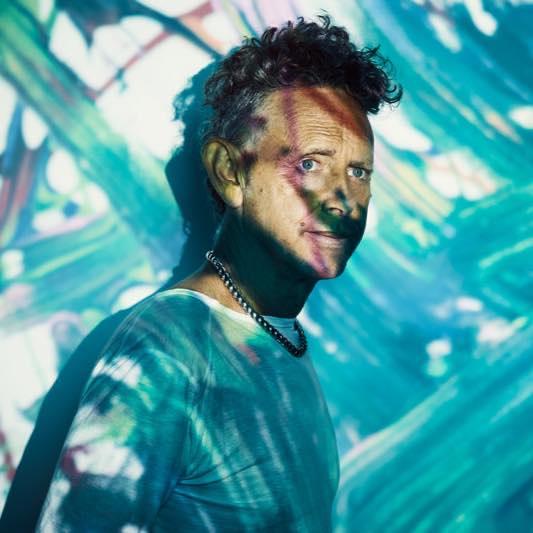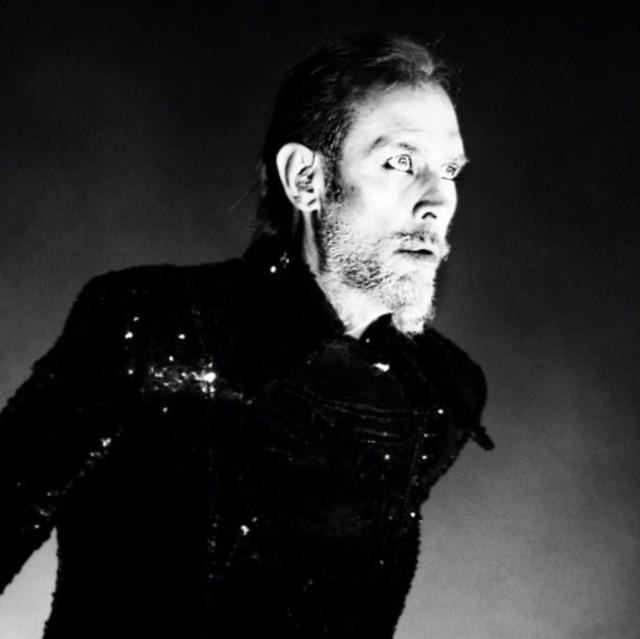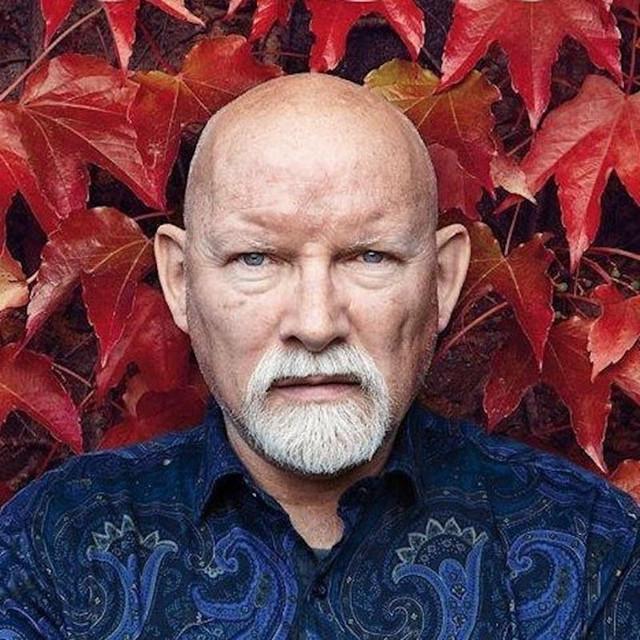
Dave Gahan

Rock
Alternative Rock
Dance
Indie Rock
 Viberate Rank: 41305
 Viberate Rank: 41305
 Monthly ListenersFollowers
 Subscribers
 Followers
 Followers
 FansTop Spotify Songs
| Track | 7-Day Streams | |
|---|---|---|
1 | 11.07K | |
2 | 10.75K | |
3 | 8.12K | |
4 | 7.82K | |
5 | 6.32K |
Top YouTube Videos| Video | 7-Day Views | |
|---|---|---|
1 | 9.11K | |
2 | 3.88K | |
3 | 2.94K | |
4 | 1.40K | |
5 | 1.13K |
Monthly ListenersFeatured in Playlists| Playlist | Followers | |
|---|---|---|
1 |  The Metallica Blacklist Metallica | 84.10K |
2 |  Sensual Massage Slowcore Sensual Bodyworks | 63.62K |
3 |  Metallica presents, the Blacklist Spotify | 38.97K |
4 |  GOTH ULTIMATE LIST | DARK WAVE/POST-PUNK/GOTHIC ROCK/EBM/SYNTH/DEATH ROCK Annie Dark | 31.61K |
5 | Gothic / Cold wave / Dark wave / New wave / Synth / Post punk / Witch house Anna St Ortiz | 30.10K |
Audience| City | Monthly Listeners | |
|---|---|---|
1 |  | 2.67K |
2 |  | 2.31K |
3 |  | 2.01K |
4 |  | 1.32K |
5 |  | 1.22K |
See full performance history, audience data, playlist activity, rankings, comparisons, and more in Viberate music analytics. Start with a free trial, then continue with a paid plan.
Dave Gahan’s Spotify BioAs the frontman of synth pop pioneers Depeche Mode, English singer/songwriter Dave Gahan reached the global masses with alternative anthems beloved by generations of fans. While the genre wasn't intended to be soulful, Gahan's baritone, stage swagger, and charismatic ways infused Depeche Mode's music with a passion and vulnerability that helped propel the band to platinum sales, the tops of charts around the world, and into the Rock and Roll Hall of Fame. Outside of his duties with Depeche Mode, he also launched a solo career, issuing his debut album, Paper Monsters, in 2003. A follow-up, Hourglass, landed in 2007. He also recorded a trio of LPs with U.K. producers Soulsavers.
When Gahan joined Depeche Mode in 1980, he was the group's missing puzzle piece, a charismatic, stylish singer. In the beginning, Gahan sang in an icy yet upbeat fashion, milking the hooks from early Depeche Mode hits such as "Just Can't Get Enough" and "Dreaming of Me" with boyish abandon. However, as keyboardist… Martin L. Gore's songs darkened with the 1986 LP Black Celebration, Gahan matched the bleakness in Gore's lyrics by singing in a grimmer tone; it turned Gahan into a major influence on future industrial, gothic rock, and synth pop acts.
By 1993's Songs of Faith and Devotion, Gahan was living in Los Angeles and, inspired by the look and sound of grunge bands, grew his hair long and started sporting a beard. The dramatic shift in image shocked many of Depeche Mode's older fans; they became increasingly concerned that Depeche Mode was turning into a mainstream rock group. In addition to adopting a grunge look, Gahan became seduced by the drug of choice among several rock musicians in the early '90s: heroin. In the mid-'90s, after a failed suicide attempt, Gahan kicked his addiction at a drug rehabilitation clinic. In 1997, a rejuvenated Gahan recorded Ultra with Depeche Mode, followed by Exciter in 2001.
In 2003, Gahan embarked on a solo career for the first time in Depeche Mode's 22-year history. He made his debut as a full-fledged songwriter for the June release of Paper Monsters. He also set out on the road in North America and Europe in support of the sultry rock record in July. After recording another album with Depeche Mode (2005's industrial-tinged Playing the Angel), he released his throbbing second solo album, Hourglass, in 2007. In between the next two Depeche Mode albums (2009's Sounds of the Universe and 2013's Delta Machine, both of which included more songwriting credits for Gahan), he recorded his first album with U.K. producers Soulsavers, writing all the lyrics and singing on The Light the Dead See. His second effort with Soulsavers, the blues- and gospel-inspired Angels & Ghosts, was released in late 2015.
The following year, another Depeche Mode album cycle was launched with Spirit and its accompanying world tour, which kept Gahan and the band on the road for more than a year. In 2020, Gahan and his bandmates were inducted into the Rock and Roll Hall of Fame. A third collaboration with Soulsavers arrived in late 2021. Imposter featured Gahan's takes on songs from artists such as Neil Young ("A Man Needs a Maid"), Cat Power ("Metal Heart"), PJ Harvey ("The Desperate Kingdom of Love"), and more. ~ Michael Sutton & Neil Z. Yeung, Rovi
Viberate is a music analytics platform built for A&Rs, artist managers, labels, booking agents, marketers, and artists.
It helps music professionals track artist growth, analyze audience data, monitor playlist activity, compare artists, follow song performance, and identify opportunities across the music market.
Public artist pages provide a free preview of selected artist data. Paid plans provide access to deeper analytics, historical data, charts, comparisons, playlist tools, exports, alerts, reports, and additional professional features.
Yes. Public Viberate artist pages provide selected artist analytics and music data for free.
Viberate also offers a 7-day free trial of the full platform. A credit card is required to start the trial. The trial includes access to the complete product so users can test deeper artist analytics, historical views, playlist insights, comparisons, charts, exports, alerts, and reporting features before choosing a paid plan.
Viberate provides artist analytics across streaming, playlists, social media, video, radio airplay, songs, and audience markets.
Users can analyze Spotify performance, Spotify and Apple Music playlists, YouTube activity, TikTok and Instagram growth, radio spins, song performance, audience locations, demographics, rankings, and overall artist momentum.
Artist profiles also connect to music charts, similar artists, and comparison tools, helping users benchmark performance and evaluate artists in context.
Viberate updates key artist and track data daily.
For followed artists and tracks, selected data is refreshed multiple times per day. This helps teams monitor playlist changes, streaming movement, audience growth, releases, and campaign performance with more current data.
Update frequency can vary depending on the metric and data source.
Yes. Viberate lets users compare up to five artists side by side across streaming, social media, audience, and engagement metrics.
Users can compare fanbase growth, audience demographics, locations, Spotify performance, social metrics, and other artist data over selected time periods.
Artist comparison can be used for A&R scouting, benchmarking, booking decisions, campaign planning, and evaluating artists with similar audiences or market positions.