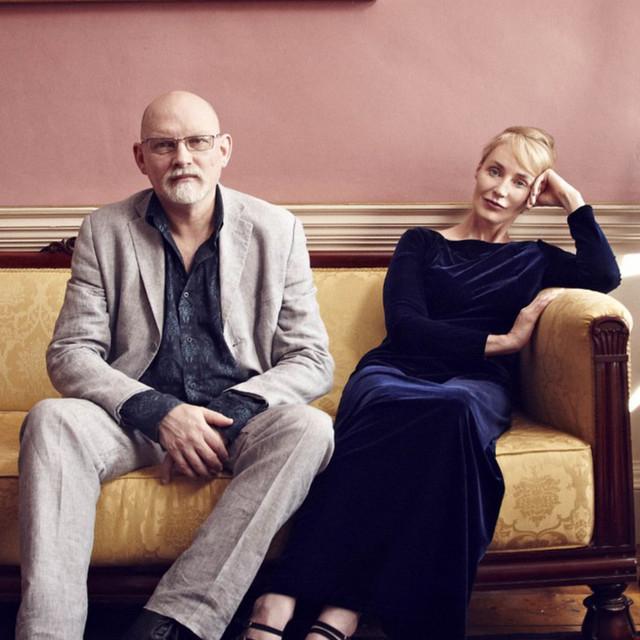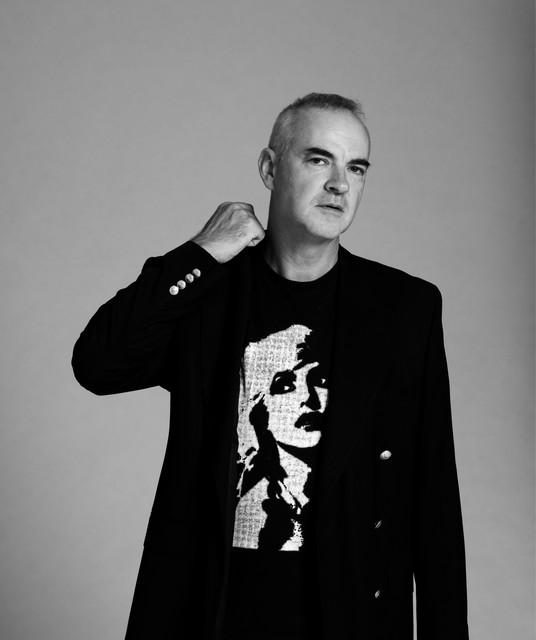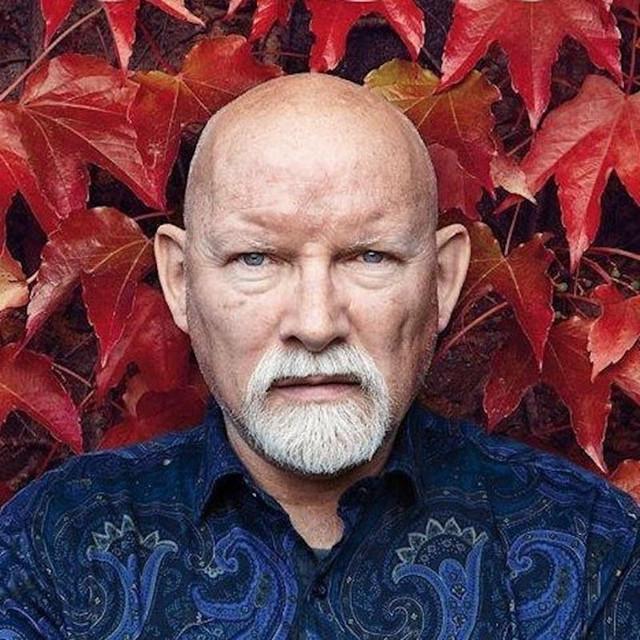
Brendan Perry

Rock
Alternative Rock
 Viberate Rank: 110866
 Viberate Rank: 110866
 Monthly ListenersFollowers
 Subscribers
 Followers
 Followers
 FansTop Spotify Songs
| Track | 7-Day Streams | |
|---|---|---|
1 | 6.41K | |
2 | 5.16K | |
3 | 4.44K | |
4 | 3.96K | |
5 | 2.94K |
Top YouTube VideosMonthly ListenersFeatured in Playlists| Playlist | Followers | |
|---|---|---|
1 |  slowcore Spotify | 212.03K |
2 |  Hi-fi Test Music (High Quality Audio) Ben Koomen | 31.08K |
3 |  Fall (Numero Group) Numero Group Concierge | 15.35K |
4 |  Hi-Fi & Audiophile | Best Quality Audiophile Records The Odyofil | 15.16K |
5 | 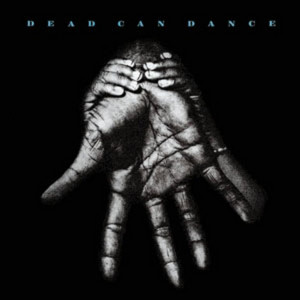 DEAD CAN DANCE - THE VERY BEST José Baña Marcote | 14.02K |
Audience| City | Monthly Listeners | |
|---|---|---|
1 |  | 1.06K |
2 |  | 603 |
3 |  | 521 |
4 |  | 416 |
5 | | 389 |
See full performance history, audience data, playlist activity, rankings, comparisons, and more in Viberate music analytics. Start with a free trial, then continue with a paid plan.
Brendan Perry’s Spotify BioAfter the breakup of Dead Can Dance, singer/songwriter/multi-instrumentalist Brendan Perry collaborated with friends like Hector Zazou (on his 1998 Lights in the Dark album) and former bandmate Peter Ulrich (whose Pathways and Dawns Perry co-produced and arranged). During the late '90s he began teaching percussion workshops in Afro-Cuban and African Manding styles out of his Quivvy Church home and studio in Belturbet, County Cavan (Perry's mother's home county), Ireland. These workshops culminated in the creation of a community-based samba school called The Salamanders. His first solo album, Eye of the Hunter, was released in 1999 on 4AD, his longtime label. In 2003, Perry oversaw the creation of an international samba festival in Belturbet. In 2005, he and Lisa Gerrard briefly re-formed Dead Can Dance for a limited-run farewell tour with a 40-piece orchestra. While they performed their classic material, they also premiered two new songs, "Babylon" and "Crescent." Both of these… selections were later recorded for Ark, Perry's 2010 solo album; it was released in the United States in mid-2011. In 2012, Dead Can Dance released Anastasis, their first studio album in 16 years. Over the next year-and-a half, they toured the globe. In 2013, the band announced the sale of Perry's Quivvy Church Studio in preparation for a move to (and new studio in) France. Gerrard continued with her solo and soundtrack work while Perry built the studio and the pair planned a studio offering. In 2017, he served as the frontman for guitarist Olivier Mellano's No Land project, that explored the overlaps between a host of modern musical genres, new music, and the music of Breton Pipe Bands, and blurred the lines of other folk traditions. Mellano enlisted not only Perry but the 30 musicians of Bagad' Cesson for the recording. The finished album was issued in November. ~ Heather Phares, Rovi
Viberate is a music analytics platform built for A&Rs, artist managers, labels, booking agents, marketers, and artists.
It helps music professionals track artist growth, analyze audience data, monitor playlist activity, compare artists, follow song performance, and identify opportunities across the music market.
Public artist pages provide a free preview of selected artist data. Paid plans provide access to deeper analytics, historical data, charts, comparisons, playlist tools, exports, alerts, reports, and additional professional features.
Yes. Public Viberate artist pages provide selected artist analytics and music data for free.
Viberate also offers a 7-day free trial of the full platform. A credit card is required to start the trial. The trial includes access to the complete product so users can test deeper artist analytics, historical views, playlist insights, comparisons, charts, exports, alerts, and reporting features before choosing a paid plan.
Viberate provides artist analytics across streaming, playlists, social media, video, radio airplay, songs, and audience markets.
Users can analyze Spotify performance, Spotify and Apple Music playlists, YouTube activity, TikTok and Instagram growth, radio spins, song performance, audience locations, demographics, rankings, and overall artist momentum.
Artist profiles also connect to music charts, similar artists, and comparison tools, helping users benchmark performance and evaluate artists in context.
Viberate updates key artist and track data daily.
For followed artists and tracks, selected data is refreshed multiple times per day. This helps teams monitor playlist changes, streaming movement, audience growth, releases, and campaign performance with more current data.
Update frequency can vary depending on the metric and data source.
Yes. Viberate lets users compare up to five artists side by side across streaming, social media, audience, and engagement metrics.
Users can compare fanbase growth, audience demographics, locations, Spotify performance, social metrics, and other artist data over selected time periods.
Artist comparison can be used for A&R scouting, benchmarking, booking decisions, campaign planning, and evaluating artists with similar audiences or market positions.