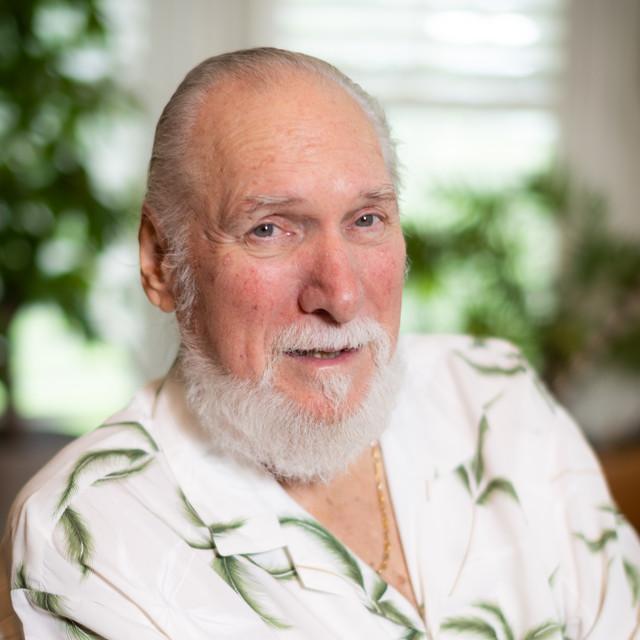
Danny Gatton

Blues
Classic Blues
Contemporary Blues
 Viberate Rank: 165591
 Viberate Rank: 165591
 Monthly ListenersFollowers
 Subscribers
 Followers
 Followers
 FansTop Spotify Songs
| Track | 7-Day Streams | |
|---|---|---|
1 | 3.50K | |
2 | 3.33K | |
3 | 2.38K | |
4 | 584 | |
5 | 525 |
Top YouTube VideosMonthly ListenersFeatured in Playlists| Playlist | Followers | |
|---|---|---|
1 |  Blues Instrumental Joar Fosså | 45.46K |
2 |  La Mejor Musica para CAMINAR 🎧 SiHEZ 🎛 | 40.92K |
3 | West Coast Swing✨ 2026 Sabrina Skandy | 14.84K |
4 | Sad Blues For Bad Days Eduardo Serpa | 14.74K |
5 | ROCK CLÁSICO INTERNACIONAL rosameladrianok | 12.85K |
Audience| City | Monthly Listeners | |
|---|---|---|
1 |  | 612 |
2 |  | 289 |
3 | | 285 |
4 |  | 274 |
5 |  | 265 |
See full performance history, audience data, playlist activity, rankings, comparisons, and more in Viberate music analytics. Start with a free trial, then continue with a paid plan.
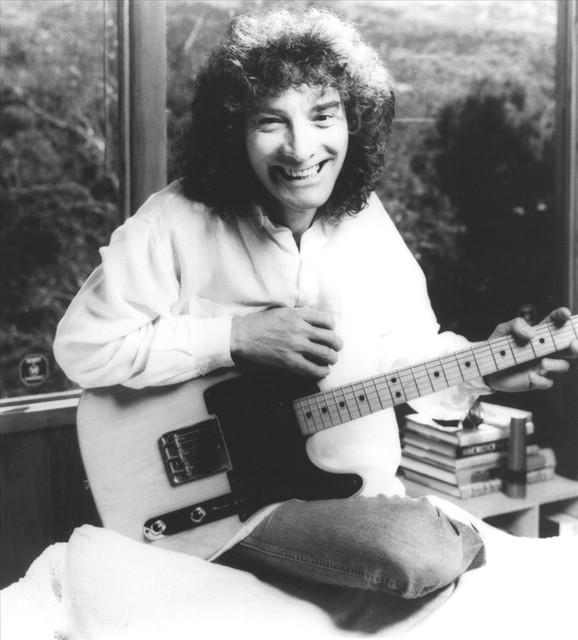
Danny Gatton’s Spotify BioGuitar virtuoso Danny Gatton was known for the incredibly wide stylistic range of his playing; based in rockabilly, Gatton's musical vocabulary included R&B, pop, country, rock, and jazz, all of which he could play effectively. Gatton began playing at age nine, joining his first band, the Lancers, three years later. In 1960, Gatton pursued a jazz direction when he joined the Offbeats, where pianist/organist Dick Heintze proved to be one of Gatton's biggest influences. The band broke up four years later, and Gatton moved to Nashville to get into session work; there he met Roy Buchanan, who briefly became his roommate and taught him more about his instrument of choice. Eventually, Gatton built a reputation as a top-notch guitarist around his native Washington, D.C., area through his club performances. He recorded an album with his backing band the Fat Boys titled American Music in 1975 and followed it with Redneck Jazz in 1978. The band on the latter featured steel guitarist Buddy Emmons…, drummer Dave Elliott, and eventual longtime cohorts Evan Johns on vocals and rhythm guitar and John Previti on bass.
Gatton's albums led to offers from other musicians to join their bands. Lowell George extended an invitation after leaving Little Feat, but was found dead two days later. Gatton wound up touring with country singer Roger Miller and rockabilly artist Robert Gordon, giving him national exposure and a growing cult among guitar fans, who traded bootlegs of Gatton concerts. Gatton returned to Washington, D.C., to be near his friends and family while playing up and down the East Coast with several bands and doing session work. When Gatton purchased an old farmhouse in need of expensive renovations in 1988, he decided to pursue his music career more seriously. He released his first solo album since 1978 the next year, Unfinished Business, which drew notices from several guitar-oriented magazines as well as Rolling Stone. Elektra Records signed him during the summer, and he made his major-label debut in 1991 with the tremendously varied instrumental album 88 Elmira St. 1992 saw Gatton's first straight-ahead jazz album, New York Stories, recorded for none other than Blue Note. Gatton toured the nation solo for the first time in 1993 in support of Cruisin' Deuces, but its lack of success, coupled with the departure of A&R man Howard Thompson from Elektra, spelled the end of Gatton's association with the label. Gatton returned to session work to pay the bills, but sustained a further blow when rhythm guitarist Billy Windsor died of a heart attack early in 1994. Gatton collaborated with organ virtuoso Joey DeFrancesco on Relentless in May and toured Europe during the summer. Sadly, on October 4, 1994, Gatton locked himself in his garage and shot himself. He left behind no explanation. ~ Steve Huey, Rovi
Viberate is a music analytics platform built for A&Rs, artist managers, labels, booking agents, marketers, and artists.
It helps music professionals track artist growth, analyze audience data, monitor playlist activity, compare artists, follow song performance, and identify opportunities across the music market.
Public artist pages provide a free preview of selected artist data. Paid plans provide access to deeper analytics, historical data, charts, comparisons, playlist tools, exports, alerts, reports, and additional professional features.
Yes. Public Viberate artist pages provide selected artist analytics and music data for free.
Viberate also offers a 7-day free trial of the full platform. A credit card is required to start the trial. The trial includes access to the complete product so users can test deeper artist analytics, historical views, playlist insights, comparisons, charts, exports, alerts, and reporting features before choosing a paid plan.
Viberate provides artist analytics across streaming, playlists, social media, video, radio airplay, songs, and audience markets.
Users can analyze Spotify performance, Spotify and Apple Music playlists, YouTube activity, TikTok and Instagram growth, radio spins, song performance, audience locations, demographics, rankings, and overall artist momentum.
Artist profiles also connect to music charts, similar artists, and comparison tools, helping users benchmark performance and evaluate artists in context.
Viberate updates key artist and track data daily.
For followed artists and tracks, selected data is refreshed multiple times per day. This helps teams monitor playlist changes, streaming movement, audience growth, releases, and campaign performance with more current data.
Update frequency can vary depending on the metric and data source.
Yes. Viberate lets users compare up to five artists side by side across streaming, social media, audience, and engagement metrics.
Users can compare fanbase growth, audience demographics, locations, Spotify performance, social metrics, and other artist data over selected time periods.
Artist comparison can be used for A&R scouting, benchmarking, booking decisions, campaign planning, and evaluating artists with similar audiences or market positions.