Daniel Ash

Rock
Alternative Rock
Death Rock
 Viberate Rank: 141719
 Viberate Rank: 141719
 Monthly ListenersFollowers
 Subscribers
 Followers
 Followers
 FansTop Spotify Songs
| Track | 7-Day Streams | |
|---|---|---|
1 | 2.96K | |
2 | 912 | |
3 | 833 | |
4 | 536 | |
5 | 450 |
Top YouTube VideosMonthly ListenersFeatured in Playlists| Playlist | Followers | |
|---|---|---|
1 |  actual goth music kelsey lieberman | 324.92K |
2 | wicks Brennan McDowell | 43.73K |
3 |  Gothic Club Hits: Goth, Darkwave, Deathrock, EBM & Industrial netti | 29.18K |
4 |  American Psycho Soundtrack sage! | 21.28K |
5 |  This is Goth - Dark Wave, Post-Punk, Darkwave, EBM, Industrial occultrock | 16.55K |
Audience| City | Monthly Listeners | |
|---|---|---|
1 |  | 346 |
2 |  | 259 |
3 |  | 224 |
4 | | 201 |
5 | | 150 |
See full performance history, audience data, playlist activity, rankings, comparisons, and more in Viberate music analytics. Start with a free trial, then continue with a paid plan.
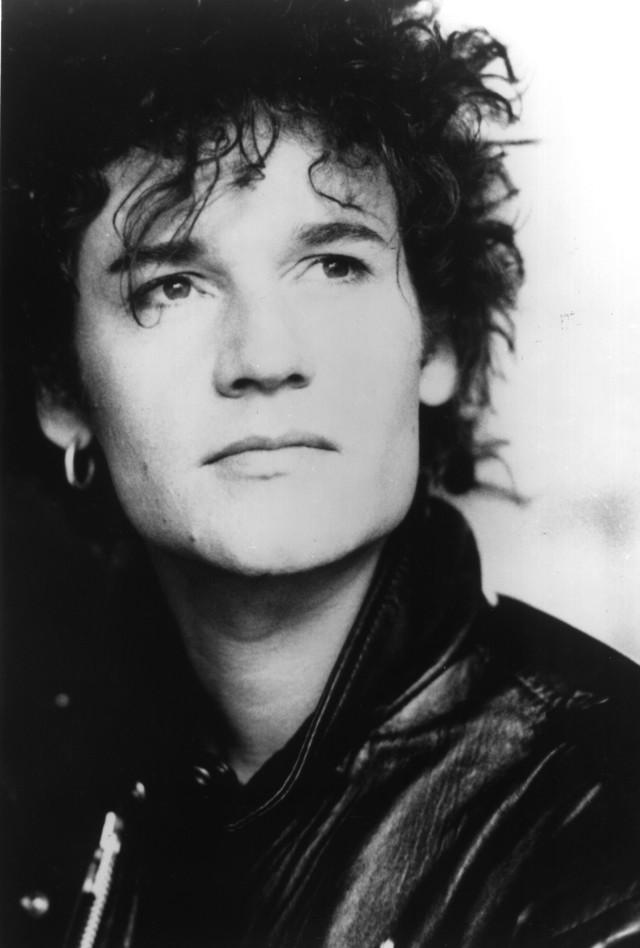
Daniel Ash’s Spotify BioA founding member of the groundbreaking Bauhaus, Tones on Tail, and Love and Rockets, guitarist, singer, and songwriter Daniel Ash distinguished himself in the world of alternative rock during the 1970s, '80s, and '90s. Ash was born in Northampton, England, on July 31, 1957. As a child, he heard the Dave Clark Five's "Bits and Pieces" and was blown away by the massive booming echo of the song, but it wasn't the first single he purchased -- "The first record I bought was Dave & Ansel Collins' 'Double Barrel'," he recalls. Driven by a love of rock & roll, Ash began playing in cover bands: "The first gig I ever played was in the Glasgow Rangers Workman's Club." That show ended in a fracas. Ash had become friends with Peter Murphy in his teenage years: "We were two oddballs in the class who didn't fit in." Ash went to art school and Murphy went to work in a printing factory. They met up five years later and Ash suggested forming a band.
Rigging up a makeshift rehearsal space, Ash played an… echo 12-bar blues, while Murphy sang a series of newspaper articles. "After 15 seconds," Ash says , "I knew we'd have some sort of success. Four weeks after, we formed Bauhaus, and we recorded 'Bela Lugosi's Dead'." That song, issued in 1979, became the cornerstone of the goth rock movement. After nearly five years of trailblazing recording and performing, Bauhaus broke up and Ash put together Tones on Tail with Bauhaus drummer Kevin Haskins. After several EPs, the full-length Pop, and a club hit in "Go!," the group mutated into the highly influential Love and Rockets in 1985, when Bauhaus bassist David J came on board. The band became one of the biggest alternative bands of the '80s, issuing respected LPs like 1986's Express and 1987's Earth, Sun, Moon, and finally enjoying a worldwide Top Ten hit with 1989's "So Alive."
While Daniel Ash's first solo album, Coming Down, was a moody, late-night rumination written in the aftermath of divorce, Foolish Thing Desire, his second, was a celebration of life's perils and pleasures, recorded at Woodbine Street Studios with longtime collaborator John A. Rivers. It's essentially positive, presenting a rush of passionate and powerful rock riffs. In 2002, Ash released a self-titled album that flirted with electronic dance which was followed three years later by a live album, Come Alive. In 2008, Ash would see the reunions of both of his primary bands with Bauhaus going on to release Go Away White, their first studio album in 25 years, and Love & Rockets reforming to play at the famed Coachella Music and Arts Festival. ~ All Music Guide, Rovi
Viberate is a music analytics platform built for A&Rs, artist managers, labels, booking agents, marketers, and artists.
It helps music professionals track artist growth, analyze audience data, monitor playlist activity, compare artists, follow song performance, and identify opportunities across the music market.
Public artist pages provide a free preview of selected artist data. Paid plans provide access to deeper analytics, historical data, charts, comparisons, playlist tools, exports, alerts, reports, and additional professional features.
Yes. Public Viberate artist pages provide selected artist analytics and music data for free.
Viberate also offers a 7-day free trial of the full platform. A credit card is required to start the trial. The trial includes access to the complete product so users can test deeper artist analytics, historical views, playlist insights, comparisons, charts, exports, alerts, and reporting features before choosing a paid plan.
Viberate provides artist analytics across streaming, playlists, social media, video, radio airplay, songs, and audience markets.
Users can analyze Spotify performance, Spotify and Apple Music playlists, YouTube activity, TikTok and Instagram growth, radio spins, song performance, audience locations, demographics, rankings, and overall artist momentum.
Artist profiles also connect to music charts, similar artists, and comparison tools, helping users benchmark performance and evaluate artists in context.
Viberate updates key artist and track data daily.
For followed artists and tracks, selected data is refreshed multiple times per day. This helps teams monitor playlist changes, streaming movement, audience growth, releases, and campaign performance with more current data.
Update frequency can vary depending on the metric and data source.
Yes. Viberate lets users compare up to five artists side by side across streaming, social media, audience, and engagement metrics.
Users can compare fanbase growth, audience demographics, locations, Spotify performance, social metrics, and other artist data over selected time periods.
Artist comparison can be used for A&R scouting, benchmarking, booking decisions, campaign planning, and evaluating artists with similar audiences or market positions.