D Generation

Punk
Punk Rock
Pop Rock
Garage Rock
 Viberate Rank: 214904
 Viberate Rank: 214904
 Monthly ListenersFollowers
 Subscribers
 Followers
 Followers
 FansTop Spotify Songs
| Track | 7-Day Streams | |
|---|---|---|
1 | 8.14K | |
2 | 661 | |
3 | 534 | |
4 | 201 | |
5 | 128 |
Top YouTube VideosMonthly ListenersFeatured in Playlists| Playlist | Followers | |
|---|---|---|
1 | Best Alternative Rock From the 90's until Now Jose Manuel Lopez Escribano | 91.65K |
2 | GRUNGE zerubi | 80.90K |
3 |  Hard Rock Music Workout Party Dale Baker | 19.40K |
4 | Sesame Street angelasharmaine | 10.88K |
5 |  skins Emily Ishikawa | 4.38K |
Audience| City | Monthly Listeners | |
|---|---|---|
1 | | 84 |
2 | | 60 |
3 | | 45 |
4 | | 42 |
5 | | 37 |
See full performance history, audience data, playlist activity, rankings, comparisons, and more in Viberate music analytics. Start with a free trial, then continue with a paid plan.
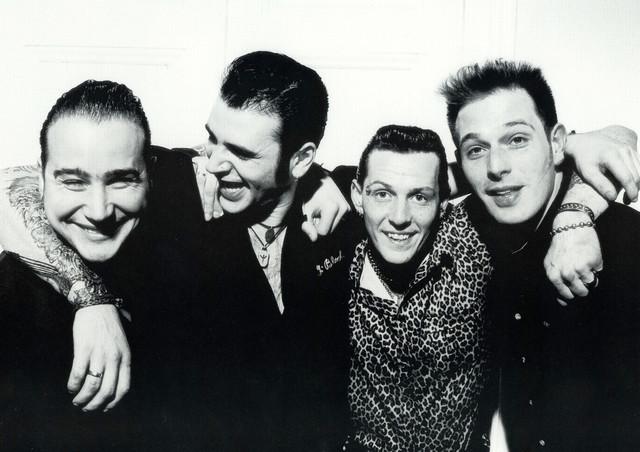
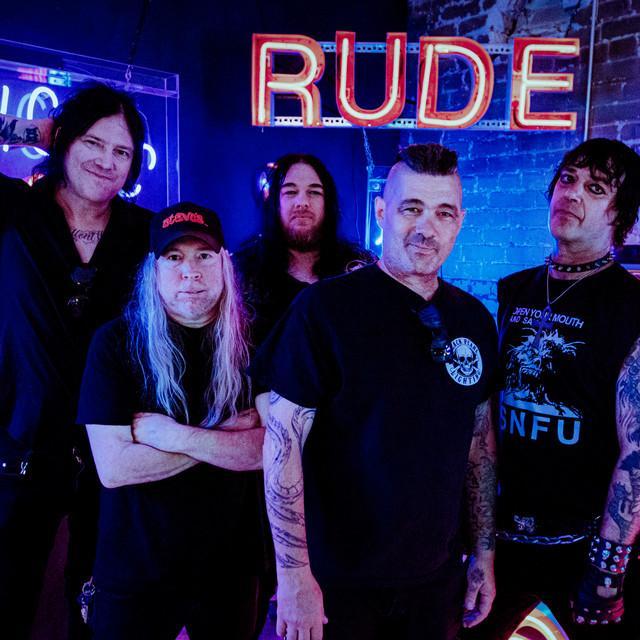
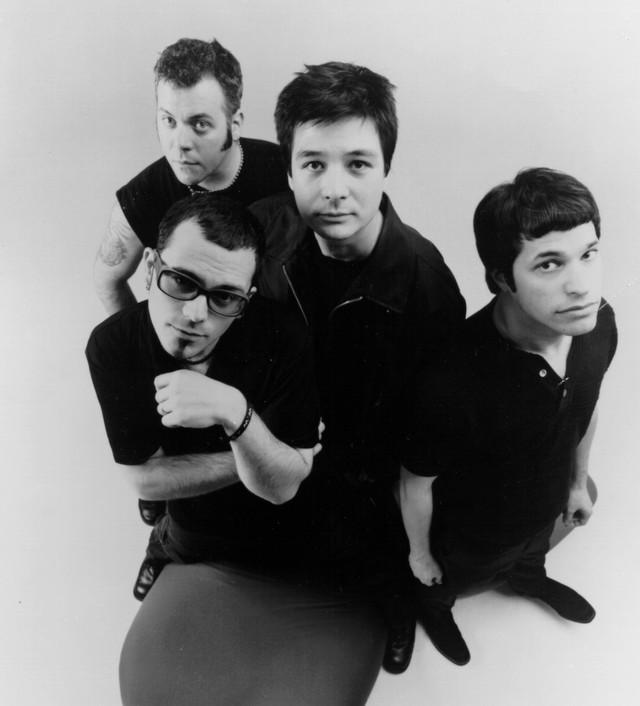
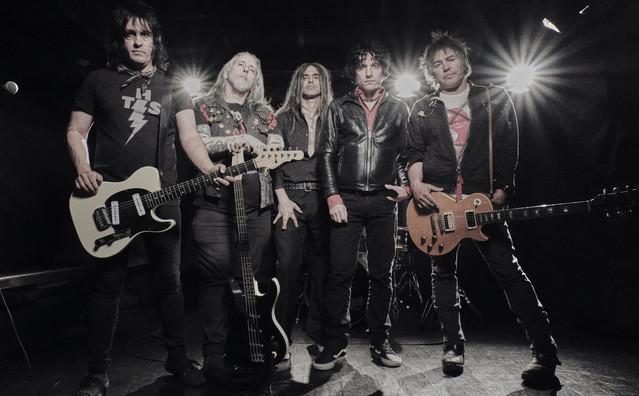
D Generation’s Spotify BioWhile groups such as the Strokes and the White Stripes get most of the credit for spearheading the garage rock revival movement of the early 21st century, there were several similarly styled bands of the mid- to late '90s that preceded the aforementioned acts (with far less commercial success and press), such as D Generation. Formed in 1991 in New York City, the band automatically turned a blind eye toward the burgeoning Seattle movement, as their look and sound was straight out of N.Y.C. circa the early '70s, when trashy glam bands like the New York Dolls ruled the scene, and such punk bands as the Ramones and the Dead Boys were about to crash the party. Originally comprised of Jesse Malin (vocals), Richard "The Atomic Elf" Bacchus (guitar), Georgie Seville (guitar), Howie Pyro (bass), and Belvy K (drums), both Seville and K would exit soon after -- replaced by Danny Sage and Michael Wildwood, respectively. It was this lineup that would go on to be considered D Generation's "classic"… one, and they issued a pair of indie singles, "No Way Out" b/w "Guitar Mafia," and "Wasted Years" b/w "Waiting for the Next Big Parade" (produced by N.Y.C. punk vets Daniel Rey and Andy Shernoff), as they built a strong local following with their live shows.
As a result, major labels took an interest in the band, resulting in their signing with Chrysalis. Their debut, D Generation, followed in 1994, and while it received favorable reviews (some critics even assumed D Generation would inherit the alt rock throne vacated by Nirvana), it failed to translate into big sales. Feeling that Chrysalis wasn't supporting them properly, the quintet was able to skip out on their contract, and set up shop at Sony. Things appeared to be looking up for the band -- with former Cars leader Ric Ocasek serving as producer, D Generation got to work on their sophomore effort, No Lunch, issued in 1996. Snagging opening tour slots with a few of their punk and glam influences (Social Distortion, the Ramones, and Kiss, the latter of which were in the midst of their sold-out reunion tour), D Generation toured for the better part of the next year before experiencing their first lineup hiccup in several years, when Bacchus left the band and was replaced with ex-Murphy's Law and Agnostic Front member Todd Youth.
After wrapping up a month's worth of European dates opening for Green Day in early 1998, D Generation returned to the studio for an album that many felt would either make or break the band. Teamed with renowned David Bowie and T. Rex producer Tony Visconti, the resulting album, Through the Darkness, appeared later the same year, and once more, was ignored by the record-buying public. As a result, the group quietly disbanded in April of 1999 after a gig in their hometown. After their split, D Generation's former members remained busy with other projects, as Malin eventually launched his own solo career, issuing the Ryan Adams-produced The Fine Art of Self Destruction in early 2003. In 2008, D Generation reunited for a one-off, three-song set as part of a VH1 Save the Music benefit, and in 2011, the band began playing some major dates, including Chicago's Riot Fest and opening for Guns N' Roses. In 2015, the group issued a new 10" single, "Queens of A" and "Piece of the Action," for Record Store Day, and just one year later, they released their long-awaited fourth studio album, the Danny Sage-produced Nothing Is Anywhere. Bassist Howie Pyro died in Los Angeles, California due to compilcations of the COVID-19 virus while he was in treatment for liver disease; he was 61 years old. ~ Greg Prato
Viberate is a music analytics platform built for A&Rs, artist managers, labels, booking agents, marketers, and artists.
It helps music professionals track artist growth, analyze audience data, monitor playlist activity, compare artists, follow song performance, and identify opportunities across the music market.
Public artist pages provide a free preview of selected artist data. Paid plans provide access to deeper analytics, historical data, charts, comparisons, playlist tools, exports, alerts, reports, and additional professional features.
Yes. Public Viberate artist pages provide selected artist analytics and music data for free.
Viberate also offers a 7-day free trial of the full platform. A credit card is required to start the trial. The trial includes access to the complete product so users can test deeper artist analytics, historical views, playlist insights, comparisons, charts, exports, alerts, and reporting features before choosing a paid plan.
Viberate provides artist analytics across streaming, playlists, social media, video, radio airplay, songs, and audience markets.
Users can analyze Spotify performance, Spotify and Apple Music playlists, YouTube activity, TikTok and Instagram growth, radio spins, song performance, audience locations, demographics, rankings, and overall artist momentum.
Artist profiles also connect to music charts, similar artists, and comparison tools, helping users benchmark performance and evaluate artists in context.
Viberate updates key artist and track data daily.
For followed artists and tracks, selected data is refreshed multiple times per day. This helps teams monitor playlist changes, streaming movement, audience growth, releases, and campaign performance with more current data.
Update frequency can vary depending on the metric and data source.
Yes. Viberate lets users compare up to five artists side by side across streaming, social media, audience, and engagement metrics.
Users can compare fanbase growth, audience demographics, locations, Spotify performance, social metrics, and other artist data over selected time periods.
Artist comparison can be used for A&R scouting, benchmarking, booking decisions, campaign planning, and evaluating artists with similar audiences or market positions.