Prima Donna

Rock
Alternative Rock
Power Pop
Punk Rock
 Viberate Rank: 234901
 Viberate Rank: 234901
 Monthly ListenersFollowers
 Subscribers
 Followers
 Followers
 FansTop Spotify Songs
| Track | 7-Day Streams | |
|---|---|---|
1 | 77 | |
2 | 61 | |
3 | 58 | |
4 | 57 | |
5 | 52 |
Top YouTube VideosMonthly ListenersFeatured in Playlists| Playlist | Followers | |
|---|---|---|
1 |  Kingdom Netflix Soundtrack (Season 1-3) Bernhard Riedler | 10.98K |
2 | Gingerlicious 1234793347 | 4.71K |
3 | All Of It onelittleworld | 2.39K |
4 | Kingdom Netflix Soundtrack Tyrone(1975) | 1.91K |
5 |  The Longest Playlist in the World Ever! Mark Hudson | 1.75K |
Audience| City | Monthly Listeners | |
|---|---|---|
1 | | 25 |
2 | | 24 |
3 | | 21 |
4 | | 14 |
5 |  | 14 |
See full performance history, audience data, playlist activity, rankings, comparisons, and more in Viberate music analytics. Start with a free trial, then continue with a paid plan.
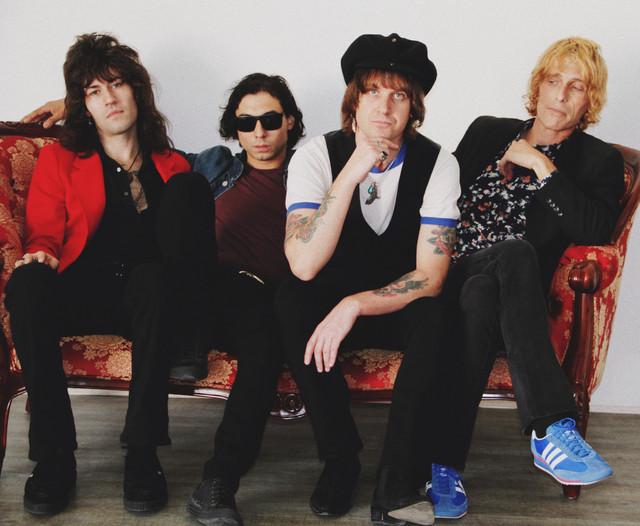
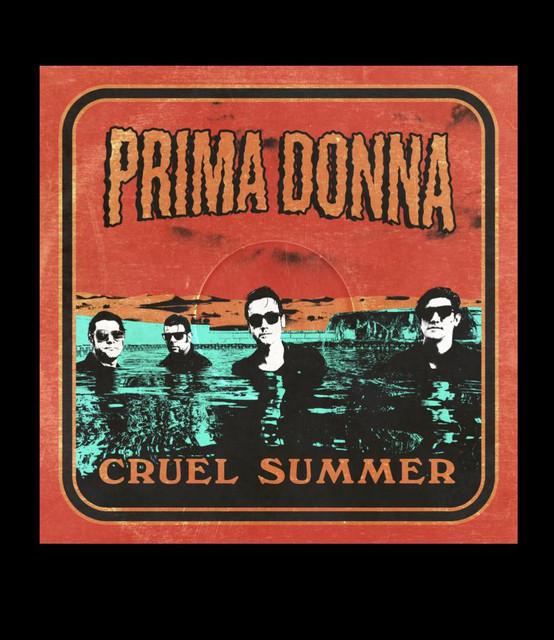
Prima Donna’s Spotify BioL.A. rockers Prima Donna are calling their new album S/T because they believe it’s time to reintroduce themselves. “It’s a new chapter for us,” says the band’s singer and guitarist Kevin Preston.
“Self-titled albums are usually a band’s introduction to the world,” adds drummer David S. Field. “Even though this isn’t our first, we feel this album represents a new era in our music and who we are as musicians and people.”
Rounded out by Aaron Minton on keys and sax and Lights Out Levine on bass, this tight four-piece, which has evolved into a fully formed garage- and punk-influenced outfit after outgrowing their origins glamming it up on the Sunset Strip, ascends to new heights on S/T, their fifth album and first for Steven Van Zandt’s Wicked Cool Records, being released March 30 [2018].
“This album is a true sonic leap for us,” continues Preston about the LP they recorded in their home base of Los Angeles with producer and mixer Eric Palmquist [Thrice, The Bad Suns, The Mars Volta]. “He was… a very hands-on producer,” says Field, “and I mean that in a good way. He really pushed us out of our comfort zones and challenged us. I wasn’t always sure how certain parts were going to end up, but it always ended up sounding great.”
PRIMA DONNA is: Kevin Preston – vocals and guitar; David S. Field — drums and percussion; Aaron Minton — keyboards, saxophone and vocals; Lights Out Levine — bass and vocals
Viberate is a music analytics platform built for A&Rs, artist managers, labels, booking agents, marketers, and artists.
It helps music professionals track artist growth, analyze audience data, monitor playlist activity, compare artists, follow song performance, and identify opportunities across the music market.
Public artist pages provide a free preview of selected artist data. Paid plans provide access to deeper analytics, historical data, charts, comparisons, playlist tools, exports, alerts, reports, and additional professional features.
Yes. Public Viberate artist pages provide selected artist analytics and music data for free.
Viberate also offers a 7-day free trial of the full platform. A credit card is required to start the trial. The trial includes access to the complete product so users can test deeper artist analytics, historical views, playlist insights, comparisons, charts, exports, alerts, and reporting features before choosing a paid plan.
Viberate provides artist analytics across streaming, playlists, social media, video, radio airplay, songs, and audience markets.
Users can analyze Spotify performance, Spotify and Apple Music playlists, YouTube activity, TikTok and Instagram growth, radio spins, song performance, audience locations, demographics, rankings, and overall artist momentum.
Artist profiles also connect to music charts, similar artists, and comparison tools, helping users benchmark performance and evaluate artists in context.
Viberate updates key artist and track data daily.
For followed artists and tracks, selected data is refreshed multiple times per day. This helps teams monitor playlist changes, streaming movement, audience growth, releases, and campaign performance with more current data.
Update frequency can vary depending on the metric and data source.
Yes. Viberate lets users compare up to five artists side by side across streaming, social media, audience, and engagement metrics.
Users can compare fanbase growth, audience demographics, locations, Spotify performance, social metrics, and other artist data over selected time periods.
Artist comparison can be used for A&R scouting, benchmarking, booking decisions, campaign planning, and evaluating artists with similar audiences or market positions.