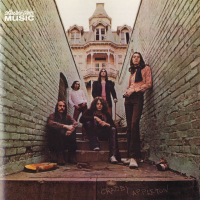
Crabby Appleton

Rock
Alternative Rock
Power Pop
 Viberate Rank: 281009
 Viberate Rank: 281009
 Monthly ListenersFollowers
 Subscribers
 Followers
 Followers
 FansTop Spotify Songs
| Track | 7-Day Streams | |
|---|---|---|
1 | 1.49K | |
2 | 62 | |
3 | 43 | |
4 | 41 | |
5 | 39 |
Top YouTube VideosMonthly ListenersFeatured in Playlists| Playlist | Followers | |
|---|---|---|
1 |  Tour of Duty - The Playlist Micha Bessems | 32.52K |
2 | Unofficial Reverb Radio Jeff Ferruzzo | 21.82K |
3 | Good M Vietnam brafols | 21.41K |
4 |  Ekdom's Platenkast Gerard Ekdom | 16.15K |
5 | Tour Of Duty CD's 1 to 6 / final edition/ ToD top 100 blterick | 9.40K |
Audience| City | Monthly Listeners | |
|---|---|---|
1 |  | 179 |
2 |  | 67 |
3 | | 65 |
4 | | 54 |
5 | | 50 |
See full performance history, audience data, playlist activity, rankings, comparisons, and more in Viberate music analytics. Start with a free trial, then continue with a paid plan.
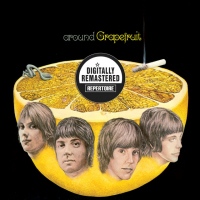
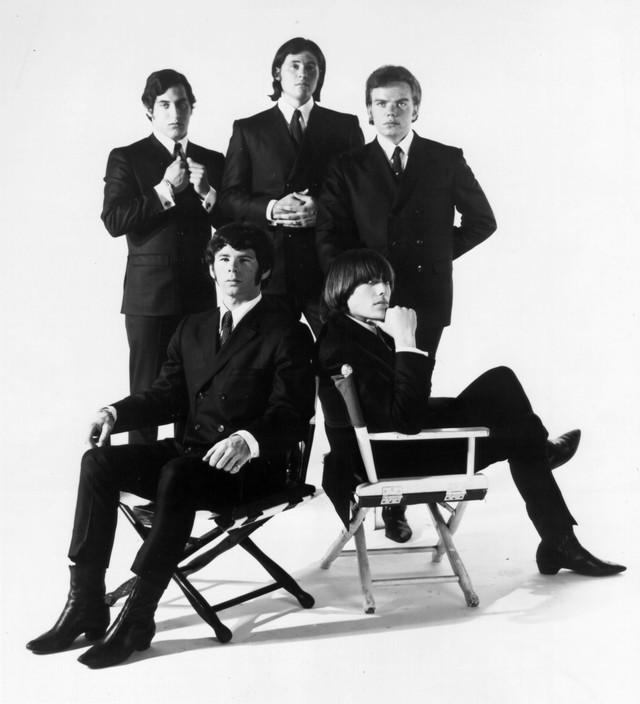
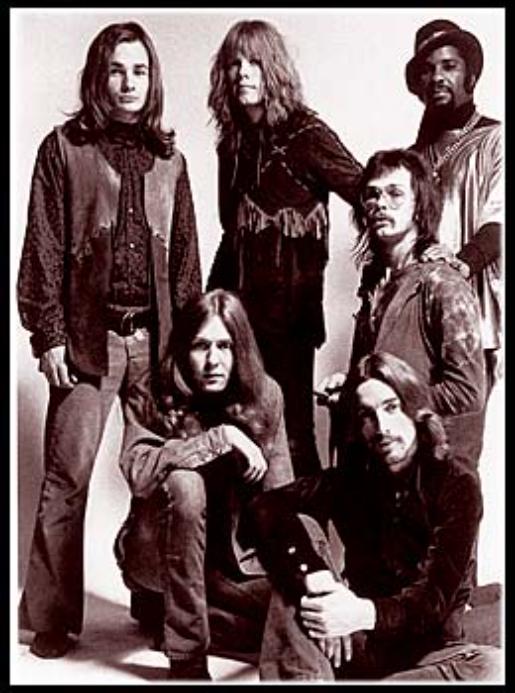
Crabby Appleton’s Spotify BioKnown for their intense, swirling proto-power-pop single "Go Back" -- a Top 40 single in 1970 -- Crabby Appleton demonstrated a keen ear for pop/rock trends of the post-hippie era on the two albums they released on Elektra in the early 1970s. Led by Michael Fennelly, a singer/guitarist who spent time in Curt Boettcher's the Millennium, Crabby Appleton seemed poised for a breakthrough after "Go Back," which not only climbed the charts but helped the band receive rave reviews from Lester Bangs; he'd also praise their second album, Rotten to the Core, as would Dave Marsh. Poor record distribution and internal strife led the band to split in 1972.
Fennelly formed Crabby Appleton not long after leaving the Millennium. While he was shopping an acoustic demo to Los Angeles record labels, he met a bluesy hard rock outfit called Stonehenge at the Sunset Strip club Thee Experience. Everything quickly fell together: Elektra offered Fennelly a contract and he recruited keyboardist Casey Foutz,… bassist Hank Harvey, drummer Phil Jones, and percussionist Felix "Flaco" Falcon -- all members of Stonehenge -- to form a band. Taking their name from the villain in Tom Terrific, a cartoon that aired during the Captain Kangaroo Show, Crabby Appleton entered the studio with producer Don Gallucci and cut their eponymous debut album.
Crabby Appleton appeared in 1970 and "Go Back" climbed the charts, reaching number 36 on Billboard on the heels of the band promoting the single on American Bandstand and opening for the likes of the Guess Who and the Doors. The group quickly knocked out a second album, Rotten to the Core -- the title was the catch phrase of Tom Terrific's villainous cartoon character -- and while it received positive reviews, the group collapsed due to a combination of Elektra's underpromotion and internal problems. Fennelly retired after a brief solo career, while Jones became a session musician who played with Bob Dylan, Tom Petty, and Waddy Wachtel. ~ Stephen Thomas Erlewine, Rovi
Viberate is a music analytics platform built for A&Rs, artist managers, labels, booking agents, marketers, and artists.
It helps music professionals track artist growth, analyze audience data, monitor playlist activity, compare artists, follow song performance, and identify opportunities across the music market.
Public artist pages provide a free preview of selected artist data. Paid plans provide access to deeper analytics, historical data, charts, comparisons, playlist tools, exports, alerts, reports, and additional professional features.
Yes. Public Viberate artist pages provide selected artist analytics and music data for free.
Viberate also offers a 7-day free trial of the full platform. A credit card is required to start the trial. The trial includes access to the complete product so users can test deeper artist analytics, historical views, playlist insights, comparisons, charts, exports, alerts, and reporting features before choosing a paid plan.
Viberate provides artist analytics across streaming, playlists, social media, video, radio airplay, songs, and audience markets.
Users can analyze Spotify performance, Spotify and Apple Music playlists, YouTube activity, TikTok and Instagram growth, radio spins, song performance, audience locations, demographics, rankings, and overall artist momentum.
Artist profiles also connect to music charts, similar artists, and comparison tools, helping users benchmark performance and evaluate artists in context.
Viberate updates key artist and track data daily.
For followed artists and tracks, selected data is refreshed multiple times per day. This helps teams monitor playlist changes, streaming movement, audience growth, releases, and campaign performance with more current data.
Update frequency can vary depending on the metric and data source.
Yes. Viberate lets users compare up to five artists side by side across streaming, social media, audience, and engagement metrics.
Users can compare fanbase growth, audience demographics, locations, Spotify performance, social metrics, and other artist data over selected time periods.
Artist comparison can be used for A&R scouting, benchmarking, booking decisions, campaign planning, and evaluating artists with similar audiences or market positions.