Dzyan

Rock
Hard Rock
Progressive Rock
 Viberate Rank: 389710
 Viberate Rank: 389710
 Monthly ListenersFollowers
 Subscribers
 Followers
 Followers
 FansTop Spotify Songs
| Track | 7-Day Streams | |
|---|---|---|
1 | 76 | |
2 | 63 | |
3 | 50 | |
4 | 35 | |
5 | 31 |
Top YouTube VideosMonthly ListenersFeatured in Playlists| Playlist | Followers | |
|---|---|---|
1 |  KRAUTROCK alison | 21.75K |
2 |  KRAUTROCK CLASSICS Nikolai Carrion | 14.49K |
3 |  Sitar Psychedelia Kieran McManus | 11.60K |
4 |  Soul Jazz Records Martin Abrams | 5.42K |
5 |  60s & 70s Underground Rock Bobby Floccari | 5.04K |
Audience| City | Monthly Listeners | |
|---|---|---|
1 |  | 14 |
2 |  | 12 |
3 |  | 11 |
4 |  | 10 |
5 | | 8 |
See full performance history, audience data, playlist activity, rankings, comparisons, and more in Viberate music analytics. Start with a free trial, then continue with a paid plan.
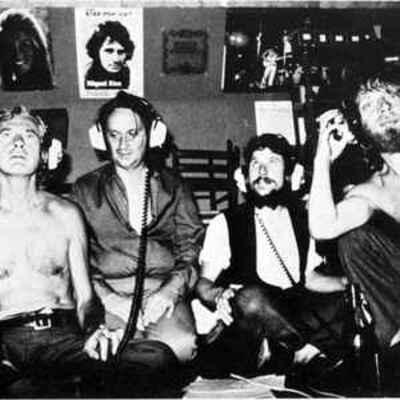
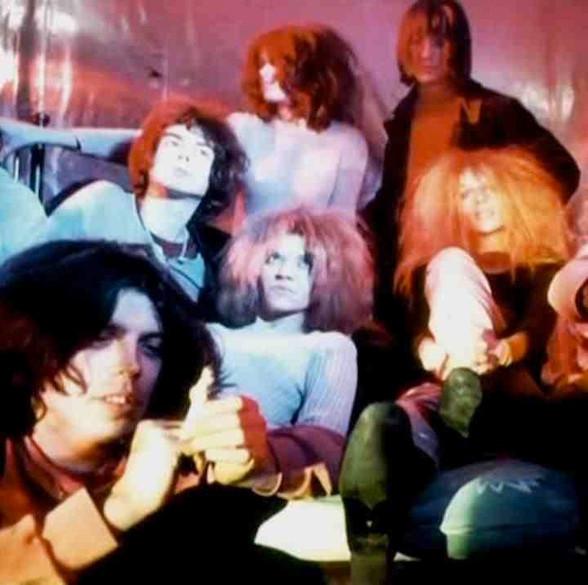
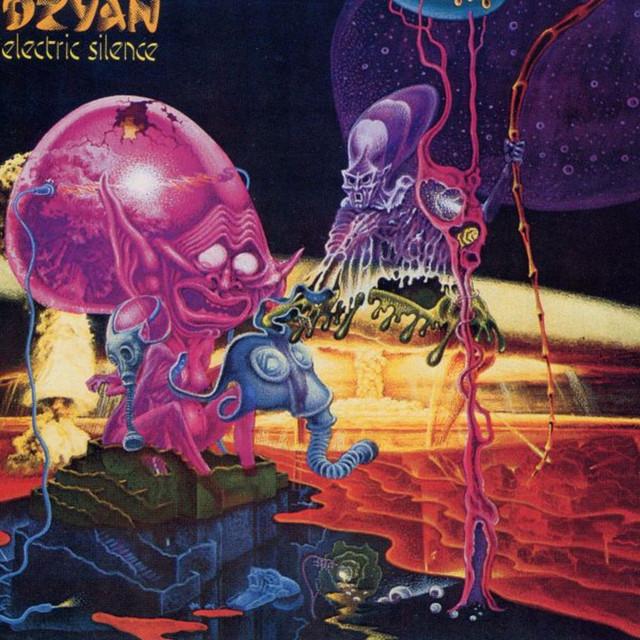
Dzyan’s Spotify BioOne of the more obscure gems of the early-'70s Krautrock scene, Dzyan, from the city of Mannheim in southern Germany, creatively blended elements of rock, improvised jazz, electronics, and ethnic music from Asia into something quite unique. With their name taken from the Indian book of creation, the original group that consisted of Jochen Leuschner, Dieter Kramer, Gerd Ehrmann, Reinhard Karwatky, and Ludwig Baum came together in January 1972 as a studio project. By April, their eponymous first album was recorded and released on the Aronda label and upon completion of the record, Kramer and Baum left the group. The following month, Eddy Marron and Lothar Scharf were added to the lineup and the band played several live gigs over the next several months. After the departure of Leuschner and Ehrmann in November 1972, and Scharf in early 1973, by May 1973, Dzyan was pared down to the trio of Marron, Karwatky, and Scharf's replacement on drums, Peter Giger. This all-instrumental version of… Dzyan refined the sound further away from prog and toward jazz and Asian music. Later that year, Dzyan went into the studios of Dieter Dierks and recorded the album Time Machine, which came out in November 1973 on the Bacillus label. The next year, Giger had to leave the band for several months to work as a session player for ECM and also to tour with Eberhard Weber. While he was gone, Mark Hellmann of the Dave Pike Set briefly filled in. Giger returned to a different-sounding Dzyan, as Marron and Karwatky had been experimenting with a wider range of acoustic instruments and delving further into ethnic and experimental music. The trio cut another album, Electric Silence, in October of that year, again recorded in Dierks' studio and released by Baccillus. By the end of 1974, with the departure of the last remaining original member, Karwatky, Dzyan called it quits. The remaining bandmembers, Marron and Giger, went on to form the trio Giger.Lenz.Marron with jazz bassist Gunter Lenz, sounding a little bit like a much jazzier Dzyan with less experimentation. ~ Rolf Semprebon, Rovi
Viberate is a music analytics platform built for A&Rs, artist managers, labels, booking agents, marketers, and artists.
It helps music professionals track artist growth, analyze audience data, monitor playlist activity, compare artists, follow song performance, and identify opportunities across the music market.
Public artist pages provide a free preview of selected artist data. Paid plans provide access to deeper analytics, historical data, charts, comparisons, playlist tools, exports, alerts, reports, and additional professional features.
Yes. Public Viberate artist pages provide selected artist analytics and music data for free.
Viberate also offers a 7-day free trial of the full platform. A credit card is required to start the trial. The trial includes access to the complete product so users can test deeper artist analytics, historical views, playlist insights, comparisons, charts, exports, alerts, and reporting features before choosing a paid plan.
Viberate provides artist analytics across streaming, playlists, social media, video, radio airplay, songs, and audience markets.
Users can analyze Spotify performance, Spotify and Apple Music playlists, YouTube activity, TikTok and Instagram growth, radio spins, song performance, audience locations, demographics, rankings, and overall artist momentum.
Artist profiles also connect to music charts, similar artists, and comparison tools, helping users benchmark performance and evaluate artists in context.
Viberate updates key artist and track data daily.
For followed artists and tracks, selected data is refreshed multiple times per day. This helps teams monitor playlist changes, streaming movement, audience growth, releases, and campaign performance with more current data.
Update frequency can vary depending on the metric and data source.
Yes. Viberate lets users compare up to five artists side by side across streaming, social media, audience, and engagement metrics.
Users can compare fanbase growth, audience demographics, locations, Spotify performance, social metrics, and other artist data over selected time periods.
Artist comparison can be used for A&R scouting, benchmarking, booking decisions, campaign planning, and evaluating artists with similar audiences or market positions.