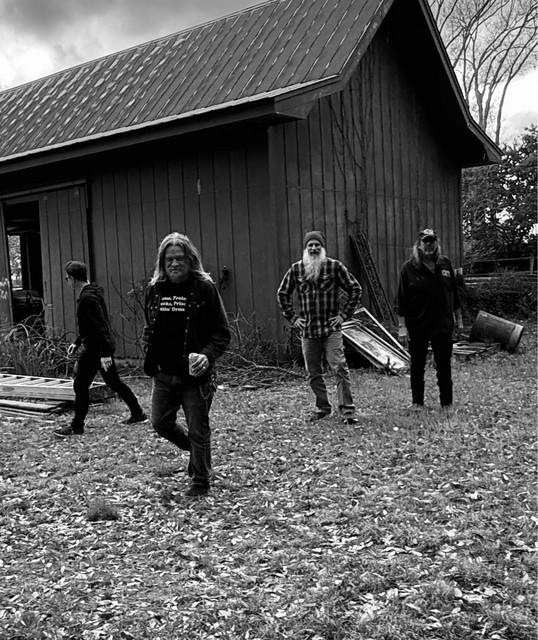
Corrosion Of Conformity

Metal
Alternative Metal
Doom/Sludge Metal
Heavy Metal
 Viberate Rank: 20518
 Viberate Rank: 20518
 Monthly ListenersFollowers
 Subscribers
 Followers
 Followers
 FansTop Spotify Songs
| Track | 7-Day Streams | |
|---|---|---|
1 | 65.14K | |
2 | 51.41K | |
3 | 35.08K | |
4 | 12.19K | |
5 | 11.29K |
Top YouTube VideosMonthly ListenersFeatured in Playlists| Playlist | Followers | |
|---|---|---|
1 |  Metal Essentials Spotify | 3.74M |
2 |  90s Metal Classics Spotify | 1.47M |
3 |  Heavy Metal Spotify | 1.42M |
4 |  90s ALT ROCK Filtr US | 687.27K |
5 |  Stoner Rock Spotify | 549.90K |
Audience| City | Monthly Listeners | |
|---|---|---|
1 | | 5.36K |
2 | | 4.30K |
3 |  | 3.35K |
4 | | 3.26K |
5 | | 3.21K |
See full performance history, audience data, playlist activity, rankings, comparisons, and more in Viberate music analytics. Start with a free trial, then continue with a paid plan.
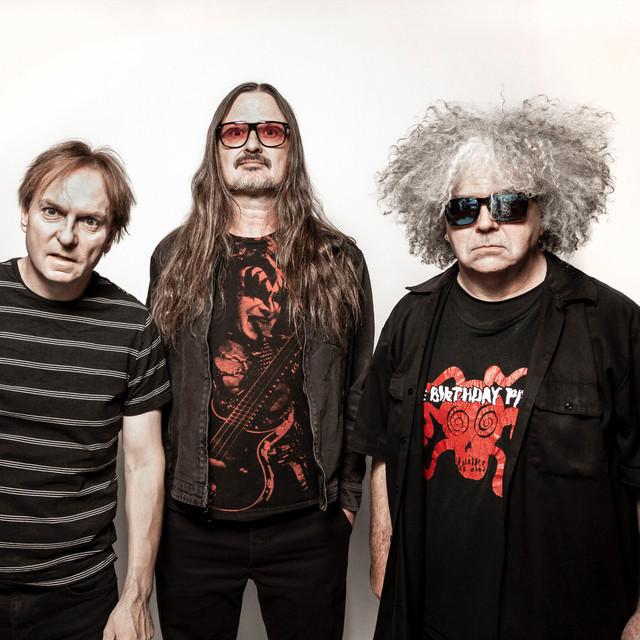
Corrosion Of Conformity’s Spotify BioOne of the first punk-metal fusion bands, Corrosion of Conformity were formed in North Carolina by guitarist Woody Weatherman during the early '80s. In their early years, C.O.C. became known for their aggressive sound, intelligent political lyrics, and willingness to break away from both hardcore and metal conventions. In the '90s, their shift to a more stripped-down, deliberate sound -- sort of Black Sabbath filtered through the Deep South -- brought them enough in line with the alt-metal Zeitgeist to bring them a measure of mainstream popularity.
C.O.C. debuted in 1983 with the thrashy, Black Flag-influenced Eye for an Eye, featuring a lineup of Weatherman, drummer Reed Mullin, vocalist Eric Eycke, and bassist Mike Dean. They began to build up a cult following with 1985's Animosity, but their label at the time, Death, grew tired of their internal instability -- lineup changes found Eycke replaced by vocalist Simon Bob -- and dropped them following 1987's Technocracy. It took several… years for a new lineup to come together -- featuring Weatherman, guitarist Pepper Keenan, Mullin, vocalist Karl Agell, and bassist Phil Swisher -- but when it did, the result was 1991's Blind, a powerful, focused, more metallic record that increased their audience by leaps and bounds. Agell was fired following its success, and he and Swisher went on to form Leadfoot; meanwhile, Keenan became the full-time lead vocalist on 1994's even more Sabbath-esque Deliverance, which also featured the return of original bassist Mike Dean. During 1995, Keenan took a short detour into the Southern metal supergroup Down (which also featured Pantera's Phil Anselmo and members of Crowbar).
Thanks to a shift in popular taste in favor of the ultra-heavy brand of alternative metal, the group had helped pioneer, C.O.C. found themselves with a larger audience than ever before when they released 1996's Wiseblood, which continued and expanded their rock radio success. After a lengthy break from recording and a world tour with Metallica, C.O.C. returned with a new album in the fall of 2000, titled America's Volume Dealer. Another break ensued, resulting in the release of the live recording Live Volume in 2001. It wasn't until April of 2005 that the band regrouped for the hard-hitting and complex In the Arms of God. C.O.C. went on hiatus, with the members working on various side projects until 2010, when drummer Reed Mullin rejoined the band, reuniting the Animosity lineup while Pepper Keenan continued working with his other band, Down. The remaining trio began work on new material, and in 2012 released their eighth album, the eponymous Corrosion of Conformity, on Candlelight Records. Their ninth album, aptly titled IX, arrived in 2014. Shortly after the latter LP's release, C.O.C. reunited with Keenan and began work on their tenth studio long-player, No Cross No Crown, which dropped in January 2018. The band announced the death of Reed Mullin on January 27, 2020. ~ Steve Huey, Rovi
Viberate is a music analytics platform built for A&Rs, artist managers, labels, booking agents, marketers, and artists.
It helps music professionals track artist growth, analyze audience data, monitor playlist activity, compare artists, follow song performance, and identify opportunities across the music market.
Public artist pages provide a free preview of selected artist data. Paid plans provide access to deeper analytics, historical data, charts, comparisons, playlist tools, exports, alerts, reports, and additional professional features.
Yes. Public Viberate artist pages provide selected artist analytics and music data for free.
Viberate also offers a 7-day free trial of the full platform. A credit card is required to start the trial. The trial includes access to the complete product so users can test deeper artist analytics, historical views, playlist insights, comparisons, charts, exports, alerts, and reporting features before choosing a paid plan.
Viberate provides artist analytics across streaming, playlists, social media, video, radio airplay, songs, and audience markets.
Users can analyze Spotify performance, Spotify and Apple Music playlists, YouTube activity, TikTok and Instagram growth, radio spins, song performance, audience locations, demographics, rankings, and overall artist momentum.
Artist profiles also connect to music charts, similar artists, and comparison tools, helping users benchmark performance and evaluate artists in context.
Viberate updates key artist and track data daily.
For followed artists and tracks, selected data is refreshed multiple times per day. This helps teams monitor playlist changes, streaming movement, audience growth, releases, and campaign performance with more current data.
Update frequency can vary depending on the metric and data source.
Yes. Viberate lets users compare up to five artists side by side across streaming, social media, audience, and engagement metrics.
Users can compare fanbase growth, audience demographics, locations, Spotify performance, social metrics, and other artist data over selected time periods.
Artist comparison can be used for A&R scouting, benchmarking, booking decisions, campaign planning, and evaluating artists with similar audiences or market positions.